John Coltrane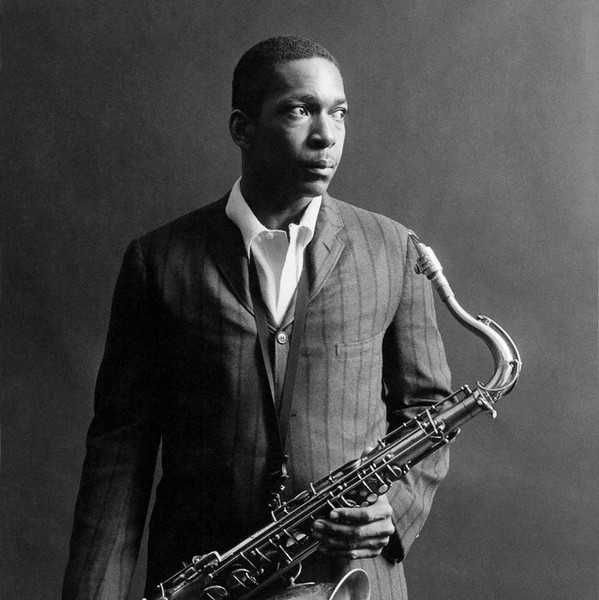 | ||
| Allmusic Biography : Despite a relatively brief career (he first came to notice as a sideman at age 29 in 1955, formally launched a solo career at 33 in 1960, and was dead at 40 in 1967), saxophonist John Coltrane was among the most important, and most controversial, figures in jazz. It seems amazing that his period of greatest activity was so short, not only because he recorded prolifically, but also because, taking advantage of his fame, the record companies that recorded him as a sideman in the 1950s frequently reissued those recordings under his name, and there has been a wealth of posthumously released material as well. Since Coltrane was a protean player who changed his style radically over the course of his career, this has made for much confusion in his discography and in appreciations of his playing. There remains a critical divide between the adherents of his earlier, more conventional (if still highly imaginative) work and his later, more experimental direction. No one, however, questions Coltranes almost religious commitment to jazz or doubts his significance in the history of the music. Coltrane was the son of John R. Coltrane, a tailor and amateur musician, and Alice (Blair) Coltrane. Two months after his birth, his maternal grandfather, the Reverend William Blair, was promoted to presiding elder in the A.M.E. Zion Church and moved his family, including his infant grandson, to High Point, North Carolina, where Coltrane grew up. Shortly after he graduated from grammar school in 1939, his father, his grandparents, and his uncle died, leaving him to be raised in a family consisting of his mother, his aunt, and his cousin. His mother worked as a domestic to support the family. The same year, he joined a community band in which he played clarinet and E flat alto horn; he took up the alto saxophone in his high school band. During World War II, Coltranes mother, aunt, and cousin moved north to New Jersey to seek work, leaving him with family friends; in 1943, when he graduated from high school, he too headed north, settling in Philadelphia. Eventually, the family was reunited there. While taking jobs outside music, Coltrane briefly attended the Ornstein School of Music and studied at Granoff Studios. He also began playing in local clubs. In 1945, he was drafted into the navy and stationed in Hawaii. He never saw combat, but he continued to play music and, in fact, made his first recording with a quartet of other sailors on July 13, 1946. A performance of Tadd Damerons "Hot House," it was released in 1993 on the Rhino Records anthology The Last Giant. Coltrane was discharged in the summer of 1946 and returned to Philadelphia. That fall, he began playing in the Joe Webb Band. In early 1947, he switched to the King Kolax Band. During the year, he switched from alto to tenor saxophone. One account claims that this was as the result of encountering alto saxophonist Charlie Parker and feeling the better-known musician had exhausted the possibilities on the instrument; another says that the switch occurred simply because Coltrane next joined a band led by Eddie "Cleanhead" Vinson, who was an alto player, forcing Coltrane to play tenor. He moved on to Jimmy Heaths band in mid-1948, staying with the band, which evolved into the Howard McGhee All Stars until early 1949, when he returned to Philadelphia. That fall, he joined a big band led by Dizzy Gillespie, remaining until the spring of 1951, by which time the band had been trimmed to a septet. On March 1, 1951, he took his first solo on record during a performance of "We Love to Boogie" with Gillespie. At some point during this period, Coltrane became a heroin addict, which made him more difficult to employ. He played with various bands, mostly around Philadelphia, during the early 50s, his next important job coming in the spring of 1954, when Johnny Hodges, temporarily out of the Duke Ellington band, hired him. But he was fired because of his addiction in September 1954. He returned to Philadelphia, where he was playing when he was hired by Miles Davis a year later. His association with Davis was the big break that finally established him as an important jazz musician. Davis, a former drug addict himself, had kicked his habit and gained recognition at the Newport Jazz Festival in July 1955, resulting in a contract with Columbia Records and the opportunity to organize a permanent band, which, in addition to him and Coltrane, consisted of pianist Red Garland, bassist Paul Chambers, and drummer "Philly" Joe Jones. This unit immediately began to record extensively, not only because of the Columbia contract, but also because Davis had signed with the major label before fulfilling a deal with jazz independent Prestige Records that still had five albums to run. The trumpeters Columbia debut, Round About Midnight, which he immediately commenced recording, did not appear until March 1957. The first fruits of his association with Coltrane came in April 1956 with the release of The New Miles Davis Quintet (aka Miles), recorded for Prestige on November 16, 1955. During 1956, in addition to his recordings for Columbia, Davis held two marathon sessions for Prestige to fulfill his obligation to the label, which released the material over a period of time under the titles Cookin (1957), Relaxin (1957), Workin (1958), and Steamin (1961). Coltranes association with Davis inaugurated a period when he began to frequently record as a sideman. Davis may have been trying to end his association Prestige, but Coltrane began appearing on many of the labels sessions. After he became better known in the 1960s, Prestige and other labels began to repackage this work under his name, as if he had been the leader, a process that has continued to the present day. (Prestige was acquired by Fantasy Records in 1972, and many of the recordings in which Coltrane participated have been reissued on Fantasys Original Jazz Classics [OJC] imprint.) Coltrane tried and failed to kick heroin in the summer of 1956, and in October, Davis fired him, though the trumpeter had relented and taken him back by the end of November. Early in 1957, Coltrane formally signed with Prestige as a solo artist, though he remained in the Davis band and also continued to record as a sideman for other labels. In April, Davis fired him again. This may have given him the impetus finally to kick his drug habit, and freed of the necessity of playing gigs with Davis, he began to record even more frequently. On May 31, 1957, he finally made his recording debut as a leader, putting together a pickup band consisting of trumpeter Johnny Splawn, baritone saxophonist Sahib Shihab, pianists Mal Waldron and Red Garland (on different tracks), bassist Paul Chambers, and drummer Al "Tootie" Heath. They cut an album Prestige titled simply Coltrane upon release in September 1957. (It has since been reissued under the title First Trane.) In June 1957, Coltrane joined the Thelonious Monk Quartet, consisting of Monk on piano, Wilbur Ware on bass, and Shadow Wilson on drums. During this period, he developed a technique of playing several notes at once, and his solos began to go on longer. In August, he recorded material belatedly released on the Prestige albums Lush Life (1960) and The Last Trane (1965), as well as the material for John Coltrane with the Red Garland Trio, released later in the year. (It was later reissued under the title Traneing In.) But Coltranes second album to be recorded and released contemporaneously under his name alone was cut in September for Blue Note Records. This was Blue Train, featuring trumpeter Lee Morgan, trombonist Curtis Fuller, pianist Kenny Drew, and the Miles Davis rhythm section of Chambers and "Philly" Joe Jones; it was released in December 1957. That month, Coltrane rejoined Davis, playing in what was now a sextet that also featured Cannonball Adderley. In January 1958, he led a recording session for Prestige that produced tracks later released on Lush Life, The Last Trane, and The Believer (1964). In February and March, he recorded Davis album Milestones, released later in 1958. In between the sessions, he cut his third album to be released under his name alone, Soultrane, issued in September by Prestige. Also in March 1958, he cut tracks as a leader that would be released later on the Prestige collection Settin the Pace (1961). In May, he again recorded for Prestige as a leader, though the results would not be heard until the release of Black Pearls in 1964. Coltrane appeared as part of the Miles Davis group at the Newport Jazz Festival in July 1958. The bands set was recorded and released in 1964 on an LP also featuring a performance by Thelonious Monk as Miles & Monk at Newport. In 1988, Columbia reissued the material on an album called Miles & Coltrane. The performance inspired a review in Down Beat, the leading jazz magazine, that was an early indication of the differing opinions on Coltrane that would be expressed throughout the rest of his career and long after his death. The review referred to his "angry tenor," which, it said, hampered the solidarity of the Davis band. The review led directly to an article published in the magazine on October 16, 1958, in which critic Ira Gitler defended the saxophonist and coined the much-repeated phrase "sheets of sound" to describe his playing. Coltranes next Prestige session as a leader occurred later in July 1958 and resulted in tracks later released on the albums Standard Coltrane (1962), Stardust (1963), and Bahia (1965). All of these tracks were later compiled on a reissue called The Stardust Session. He did a final session for Prestige in December 1958, recording tracks later released on The Believer, Stardust, and Bahia. This completed his commitment to the label, and he signed to Atlantic Records, doing his first recording for his new employers on January 15, 1959, with a session on which he was co-billed with vibes player Milt Jackson, though it did not appear until 1961 with the LP Bags and Trane. In March and April 1959, Coltrane participated with the Davis group on the album Kind of Blue. Released on August 17, 1959, this landmark album known for its "modal" playing (improvisations based on scales or "modes," rather than chords) became one of the best-selling and most-acclaimed recordings in the history of jazz. By the end of 1959, Coltrane had recorded what would be his Atlantic Records debut, Giant Steps, released in early 1960. The album, consisting entirely of Coltrane compositions, in a sense marked his real debut as a leading jazz performer, even though the 33-year-old musician had released three previous solo albums and made numerous other recordings. His next Atlantic album, Coltrane Jazz, was mostly recorded in November and December 1959 and released in February 1961. In April 1960, he finally left the Davis band and formally launched his solo career, beginning an engagement at the Jazz Gallery in New York, accompanied by pianist Steve Kuhn (soon replaced by McCoy Tyner), bassist Steve Davis, and drummer Pete La Roca (later replaced by Billy Higgins and then Elvin Jones). During this period, he increasingly played soprano saxophone as well as tenor. In October 1960, Coltrane recorded a series of sessions for Atlantic that would produce material for several albums, including a final track used on Coltrane Jazz and tunes used on My Favorite Things (March 1961), Coltrane Plays the Blues (July 1962), and Coltranes Sound (June 1964). His soprano version of "My Favorite Things," from the Richard Rodgers/Oscar Hammerstein II musical The Sound of Music, would become a signature song for him. During the winter of 1960-1961, bassist Reggie Workman replaced Steve Davis in his band, and saxophone and flute player Eric Dolphy gradually became a member of the group. In the wake of the commercial success of "My Favorite Things," Coltranes star rose, and he was signed away from Atlantic as the flagship artist of the newly formed Impulse! Records label, an imprint of ABC-Paramount, though in May he cut a final album for Atlantic, Olé (February 1962). The following month, he completed his Impulse! debut, Africa/Brass. By this time, his playing was frequently in a style alternately dubbed "avant-garde," "free," or "The New Thing." Like Ornette Coleman, he played seemingly formless, extended solos that some listeners found tremendously impressive, and others decried as noise. In November 1961, John Tynan, writing in Down Beat, referred to Coltranes playing as "anti-jazz." That month, however, Coltrane recorded one of his most celebrated albums, Live at the Village Vanguard, an LP paced by the 16-minute improvisation "Chasin the Trane." Between April and June 1962, Coltrane cut his next Impulse! studio album, another release called simply Coltrane when it appeared later in the year. Working with producer Bob Thiele, he began to do extensive studio sessions, far more than Impulse! could profitably release at the time, especially with Prestige and Atlantic still putting out their own archival albums. But the material would serve the label well after the saxophonists untimely death. Thiele acknowledged that Coltranes next three Impulse! albums to be released, Ballads, Duke Ellington and John Coltrane, and John Coltrane with Johnny Hartman (all 1963), were recorded at his behest to quiet the critics of Coltranes more extreme playing. Impressions (1963), drawn from live and studio recordings made in 1962 and 1963, was a more representative effort, as was 1964s Live at Birdland, also a combination of live and studio tracks, despite its title. But Crescent, also released in 1964, seemed to find a middle ground between traditional and free playing, and was welcomed by critics. This trend was continued with 1965s A Love Supreme, one of Coltranes best-loved albums, which earned him two Grammy nominations, for Jazz Composition and Performance, and became his biggest-selling record. Also during the year, Impulse! released the standards collection The John Coltrane Quartet Plays... and another album of "free" playing, Ascension, as well as New Thing at Newport, a live album consisting of one side by Coltrane and the other by Archie Shepp. The year 1966 saw the release of the albums Kulu Se Mama and Meditations, Coltranes last recordings to appear during his lifetime, though he had finished and approved release for his next album, Expression, the Friday before his death in July 1967. He died suddenly of liver cancer, entering the hospital on a Sunday and expiring in the early morning hours of the next day. He had left behind a considerable body of unreleased work that came out in subsequent years, including "Live" at the Village Vanguard Again! (1967), Om (1967), Cosmic Music (1968), Selflessness (1969), Transition (1969), Sun Ship (1971), Africa/Brass, Vol. 2 (1974), Interstellar Space (1974), and First Meditations (For Quartet) (1977), all on Impulse! Compilations and releases of archival live recordings brought him a series of Grammy nominations, including Best Jazz Performance for the Atlantic album The Coltrane Legacy in 1970; Best Jazz Performance, Group, and Best Jazz Performance, Soloist, for "Giant Steps" from the Atlantic album Alternate Takes in 1974; and Best Jazz Performance, Group, and Best Jazz Performance, Soloist, for Afro Blue Impressions in 1977. He won the 1981 Grammy for Best Jazz Performance, Soloist, for Bye Bye Blackbird, an album of recordings made live in Europe in 1962, and he was given the Grammy Lifetime Achievement Award in 1992, 25 years after his death. Even more previously unreleased material has surfaced since then, including the discovery of the Monk and Coltrane live concert At Carnegie Hall and a complete version of his 1966 Seattle concert, Offering: Live at Temple University. The saxophonist was also the subject of director John Scheinfelds acclaimed 2017 film Chasing Trane: The John Coltrane Documentary. In 2018, Impulse! released Both Directions at Once: The Lost Album, an archival release documenting a previously unheard session from 1963. John Coltrane is sometimes described as one of jazzs most influential musicians, and certainly there are other artists whose playing is heavily indebted to him. Perhaps more to the point, Coltrane is influential by example, inspiring musicians to experiment, take chances, and devote themselves to their craft. The controversy about his work has never died down, but partially as a result, his name lives on and his recordings continue to remain available and to be reissued frequently. | ||
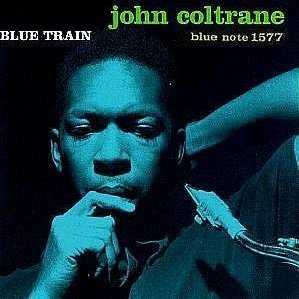 | Album: 1 of 50 Title: Blue Train Released: 1957 Tracks: 5 Duration: 42:12 Scroll: Up Down Top Bottom 25% 50% 75% Spotify Wikipedia Allmusic AlbumCover | 1 Blue Train (10:43) 2 Moment’s Notice (09:10) 3 Locomotion (07:14) 4 Im Old Fashioned (07:58) 5 Lazy Bird (07:06) |
| Blue Train : Allmusic album Review : Although never formally signed, an oral agreement between John Coltrane and Blue Note Records founder Alfred Lion was indeed honored on Blue Train -- Coltranes only collection of sides as a principal artist for the venerable label. The disc is packed solid with sonic evidence of Coltranes innate leadership abilities. He not only addresses the tunes at hand, but also simultaneously reinvents himself as a multifaceted interpreter of both hard bop as well as sensitive balladry -- touching upon all forms in between. The personnel on Blue Train is arguably as impressive as what theyre playing. Joining Coltrane (tenor sax) are Lee Morgan (trumpet), Curtis Fuller (trombone), Kenny Drew (piano), Paul Chambers (bass), and Philly Joe Jones (drums). The triple horn arrangements incorporate an additional sonic density that remains a trademark unique to both this band and album. Of particular note is Fullers even-toned trombone, which bops throughout the title track as well as the frenetic "Moments Notice." Other solos include Paul Chambers subtly understated riffs on "Blue Train" as well as the high energy and impact from contributions by Lee Morgan and Kenny Drew during "Locomotion." The track likewise features some brief but vital contributions from Philly Joe Jones -- whose efforts throughout the record stand among his personal best. Of the five sides that comprise the original Blue Train, the Jerome Kern/Johnny Mercer ballad "Im Old Fashioned" is the only standard; in terms of unadulterated sentiment, this version is arguably untouchable. Fullers rich tones and Drews tastefully executed solos cleanly wrap around Jones steadily languid rhythms. Without reservation, Blue Train can easily be considered in and among the most important and influential entries not only of John Coltranes career, but of the entire genre of jazz music as well. | ||
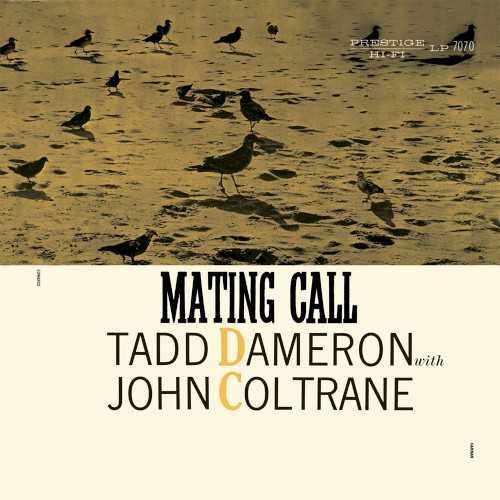 | Album: 2 of 50 Title: Mating Call Released: 1957 Tracks: 6 Duration: 35:06 Scroll: Up Down Top Bottom 25% 50% 75% Spotify Wikipedia Allmusic AlbumCover | 1 Mating Call (05:34) 2 Soultrane (05:21) 3 On a Misty Night (06:19) 4 Gnid (05:06) 5 Super Jet (05:52) 6 Romas (06:50) |
| Mating Call : Allmusic album Review : This fine set, recorded on November 30, 1956, has been reissued several times, often as a John Coltrane date, but make no mistake, this is a Tadd Dameron session, and his elegant compositions are its key component. Coltrane was fresh off playing with Miles Davis in 1956 and was still a year away from heading his own sessions and three years away from recording Giant Steps, so it might be said that he was in transition, but then when was Coltrane not in transition? Dameron wisely gives him plenty of space to fill, and the rhythm section of John Simmons on bass and the great Philly Joe Jones on drums (not to mention Damerons own characteristically bass-heavy piano style) give Trane a solid bottom to work with, and if the spiritual and edgy emotion of his later playing isnt quite in place yet, you can feel it coming. But again, this is Damerons date, with each of the six selections an original Dameron composition. Theres so much to marvel at here, including the Bahamian rhythms of the title track, "Mating Call," the gorgeous build of "Soultrane" (often the title when this set is issued as a Coltrane date) and the undeniable grace and elegance of "On a Misty Night" (based in part on the melody line to "September in the Rain"). The straight blues piece "Romas" is also a lot of fun, particularly for Coltrane. Mating Call, or whatever title it sports, whether under Damerons name or Coltranes, is a solid and frequently overlooked gem. Dont hesitate to pick it up. | ||
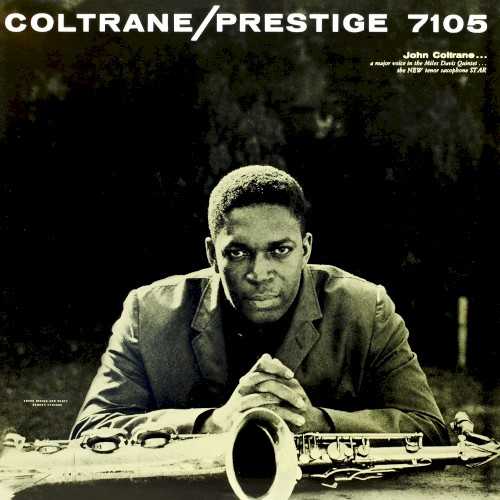 | Album: 3 of 50 Title: Coltrane Released: 1957 Tracks: 6 Duration: 41:40 Scroll: Up Down Top Bottom 25% 50% 75% Spotify Allmusic Wikipedia AlbumCover | 1 Bakai (08:41) 2 Violets for Your Furs (06:17) 3 Time Was (07:28) 4 Straight Street (06:19) 5 While My Lady Sleeps (04:43) 6 Chronic Blues (08:11) |
| Coltrane : Allmusic album Review : Considered by many to be his finest single album, Coltrane finds John Coltrane displaying all of the exciting elements that sparked brilliance and allowed his fully formed instrumental voice to shine through in the most illuminating manner. On tenor saxophone, hes simply masterful, offering the burgeoning sheets of sound philosophy into endless weavings of melodic and tuneful displays of inventive, thoughtful, driven phrases. Coltrane also plays a bit of soprano saxophone as a primer for his more exploratory work to follow. Meanwhile, bassist Jimmy Garrison, drummer Elvin Jones, and especially the stellar McCoy Tyner have integrated their passionate dynamics into the inner whole of the quartet. The result is a most focused effort, a relatively popular session to both his fans or latecomers, with five selections that are brilliantly conceived and rendered. "Out of This World," at over 14 minutes in modal trim, is a powerful statement, stretched over Tyners marvelous and deft chords, the churning rhythms conjured by Jones, and the vocal style Coltrane utilizes as he circles the wagons on this classic melody, including a nifty key change. "Tunji" is a mysterious, easily rendered piece in 4/4 which speaks to the spiritual path Coltrane tred, a bit riled up at times while Tyner remains serene. Hard bop is still in the back of their collective minds during "Miles Mode," a sliver of a melody that jumps into jam mode in a free-for-all blowing session, while the converse is to be found in Mal Waldrons "Soul Eyes," the quintessential ballad and impressive here for the way Coltranes holds notes, emotion, and expressive intellectuality. On soprano you can tell Coltrane is close to taking complete control of his newly found voicings, as a playful, jaunty "The Inch Worm" in 3/4 time is only slightly strained, but in which he finds complete communion with the others. Even more than any platitudes one can heap on this extraordinary recording, it historically falls between the albums Olé Coltrane and Impressions -- completing a triad of studio efforts that are as definitive as anything Coltrane ever produced, and highly representative of him in his prime. | ||
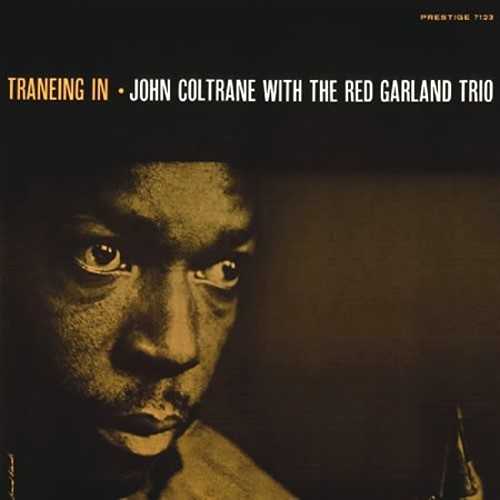 | Album: 4 of 50 Title: Traneing In Released: 1957 Tracks: 5 Duration: 37:45 Scroll: Up Down Top Bottom 25% 50% 75% Spotify Wikipedia Allmusic AlbumCover | 1 Traneing In (12:30) 2 Slow Dance (05:26) 3 Bass Blues (07:45) 4 You Leave Me Breathless (07:23) 5 Soft Lights and Sweet Music (04:40) |
| Traneing In : Allmusic album Review : For his second long player, John Coltrane (tenor saxophone) joined forces with his Prestige labelmate Red Garland (piano) to command a quartet through a five song outing supported by a rhythm section of Paul Chambers (bass) and Art Taylor (drums). The absence of any unessential instrumentalists encourages a decidedly concerted focus from Coltrane, who plays with equal measures of confidence and freedom. The Coltrane original "Traneing In" is a rousing blues that exemplifies the musical singularity between Coltrane and Garland. Even though the pianist takes charge from the start, the structure of the arrangement permits the tenor to construct his solo seamlessly out of Garlands while incrementally increasing in intensity, yet never losing the songs underlying swinging bop. Chambers then gets in on the action with an effervescent run that quotes the seasonal favorite "Santa Claus Is Coming to Town." The poignant "Slow Dance" is a dark ballad with a simple, refined tune that is established by Coltrane. He turns things over to Chambers, and then Garland -- whose respective style and grace are virtually indescribable -- before bringing it home with one final verse. "Bass Blues" is the second Coltrane-penned selection on the album. Right from the tricky opening riff, the slightly asymmetrical melody showcases Chambers ability to mirror even the most intricate or seemingly improvised lines from Coltrane. The mid-tempo pace is a springboard for the tenors spontaneous inventions as he interfaces with a rollicking and ready Garland alongside Chambers unfettered bowing. "You Leave Me Breathless" provides everything that a love song should with long, languid runs by Coltrane, Garland, and what is arguably Paul Chambers at his absolute finest. Few passages can match the grace and stately refinement of the bassist as he pilots the proceedings behind Taylors steady metronome and Garlands luminous, effective comps. John Coltrane with the Red Garland Trio (1957) draws to a close on the bebop lovers dream, a fast and furious interpretation of the Irving Berlin classic "Soft Lights and Sweet Music." Clearly Coltrane excels within this context, laying down his note clusters more rapidly than the listener can actually absorb them. These are clear demarcations pointing toward the remarkable sonic advancements Coltrane was espousing. And although it would be a few years before hed make the leap into full-blown free jazz, the roots can clearly be traced back here. | ||
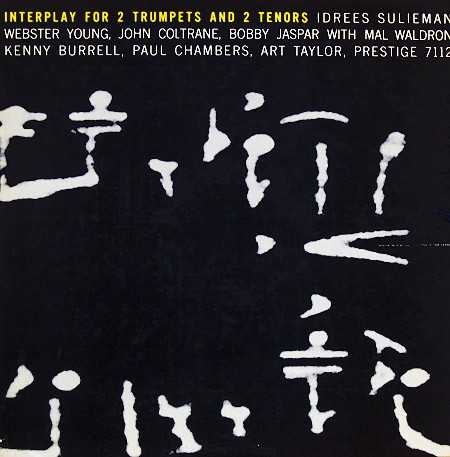 | Album: 5 of 50 Title: Interplay for 2 Trumpets and 2 Tenors Released: 1957 Tracks: 4 Duration: 46:59 Scroll: Up Down Top Bottom 25% 50% 75% Allmusic AlbumCover | 1 Interplay (09:41) 2 Anatomy (11:54) 3 Light Blue (07:52) 4 Soul Eyes (17:31) |
| Interplay for 2 Trumpets and 2 Tenors : Allmusic album Review : John Coltrane (tenor sax) resumed his association with Rudy Van Gelders Prestige label on a late March 1957 "all-star" session alongside Idrees Sulieman (trumpet), Webster Young (trumpet), Bobby Jaspar (tenor sax), Kenny Burrell (guitar), Paul Chambers (bass), Art Taylor (drums), and de facto arranger/songwriter Mal Waldron. This interesting blend of instrumentalists lives up to its potential as well as the equally intriguing Interplay for 2 Trumpets and 2 Tenors (1957). In fact, the appropriately named "Interplay" is up first with the melody extracting a feel that, while deeply entrenched in bop, has undeniable roots in Dixieland. Sulieman is exceptional with his melodic and thoughtful contributions, although it seems to be Coltrane who drives the theme the furthest. The tunes call-and-response structure doesnt fetter Coltrane as he pushes boundaries, pointing in the direction his music would continue to take. Kenny Burell gets some space to stretch out on the understated and refined cool of "Anatomy." After the horns collectively establish the midtempo groove, listeners are treated to sublime solos via the stringed mastery of both the guitarists fluid fret runs and Chambers warm and playful bowed bass. Waldron picks back up for a few bars before handing things over to the brass. Note Suliemans focus and strength as his flurry is a perfect springboard for Coltranes criminally short interjections. Just like its name suggests, "Light Blue" presents the essence of the blues in a practically playful manner. After the short but sweet intro -- featuring some excellent comping by Burrell -- Waldrons presence evolves into weaving phrases clearly inspired by the guitarist. It is fascinating how Coltrane "gets up to speed," as if his portion is joined already in-progress and fully formed. The trumpets and tenor saxes collectively create a warm, intimate, and inviting harmonic embrace. Burrell is sublime, as are Waldons accents to his detailed string work, while Youngs muted sound conjures the cool and sweet of Miles Davis. Coltranes confidence soars and his playing is unquestionably ahead of its time. | ||
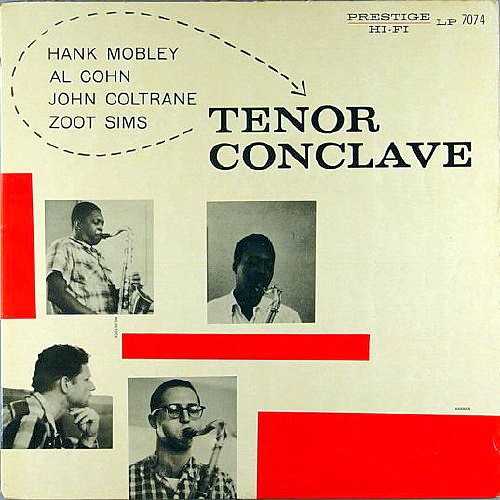 | Album: 6 of 50 Title: Tenor Conclave Released: 1957-04 Tracks: 4 Duration: 43:59 Scroll: Up Down Top Bottom 25% 50% 75% Allmusic AlbumCover | 1 Tenor Conclave (11:05) 2 Just You, Just Me (09:29) 3 Bobs Boys (08:21) 4 How Deep Is the Ocean? (15:04) |
| Tenor Conclave : Allmusic album Review : These four sides should not be hard to locate, as the primary participants in this November 30, 1956, session have all issued them within their individual catalogs. However Tenor Conclave was first released as credited to the "leaderless" Prestige All-Stars -- consisting of tenor saxophonists John Coltrane, Hank Mobley, Al Cohn, and Zoot Sims. Providing support are pianist Red Garland, bassist Paul Chambers, and drummer Art Taylor. The Mobley-penned title track commences the effort with the quartet of tenors showing off their stuff in high-flying style. It takes a couple of passes and somewhat of a trained ear to be able to link the players with their contributions, but as is often the case, the whole tends to be greater than the sum of the parts. After a brief introduction with all four rapidly reeling off short riffs, Mobley charges ahead into truly inspired territory. The midtempo take of "Just You, Just Me" keeps things lively with a light swinging pace that is custom-made for bringing the combos jocular side to the surface, particularly toward the end as they "trade fours," with each tenor blowing four bars before passing the melody on. The other Mobley composition is "Bobs Boys," and by all accounts it is the most compelling piece on the outing. The blues-based tune rollicks as Coltrane, Mobley, Cohn, and Sims find themselves configured in a seeming myriad of sonic face-offs. Wrapping up Tenor Conclave is an ultra-cool and sophisticated "How Deep Is the Ocean?" Cohn commences the long and luscious reading with a subtle strength, suggesting the powerful undercurrent flowing throughout the number. Also, listeners are treated to what is possibly Garlands finest interaction, leading right into Sims, Chambers, and finally a sublime Coltrane caboose. | ||
 | Album: 7 of 50 Title: Kenny Burrell & John Coltrane Released: 1958 Tracks: 5 Duration: 37:30 Scroll: Up Down Top Bottom 25% 50% 75% Spotify Wikipedia Allmusic AlbumCover | 1 Freight Trane (07:21) 2 I Never Knew (07:06) 3 Lyresto (05:44) 4 Why Was I Born? (03:15) 5 Big Paul (14:04) |
| Kenny Burrell & John Coltrane : Allmusic album Review : For his final Prestige-related session as a sideman, John Coltrane (tenor sax) and Kenny Burrell (guitar) are supported by an all-star cast of Paul Chambers (bass), Jimmy Cobb (drums), and Tommy Flanagan (piano). This short but sweet gathering cut their teeth on two Flanagan compositions, another two lifted from the Great American Songbook, and a Kenny Burrell original. Flanagans tunes open and close the album, with the spirited "Freight Trane" getting the platter underway. While not one of Coltranes most assured performances, he chases the groove right into the hands of Burrell. The guitarist spins sonic gold and seems to inspire similar contributions from Chambers bowed bass and Coltrane alike. Especially as the participants pass fours (read: four bars) between them at the songs conclusion. The Gus Kahn/Ted Fio Rito standard "I Never Knew" frolics beneath Burrells nimble fretwork. Once he passes the reins to Coltrane, the differences in their styles are more readily apparent, with Burrell organically emerging while Coltrane sounds comparatively farther out structurally. Much of the same can likewise be associated to Burrells own "Lyresto," with the two co-leads gracefully trading and incorporating spontaneous ideas. While not as pronounced, the disparity in the way the performance is approached is a study in unifying and complementary contrasts. The delicate "Why Was I Born" is one for the ages as Burrell and Coltrane are captured in a once-in-a-lifetime duet. Together they weave an uncanny and revealing sonic tapestry that captures a pure and focused intimacy. This, thanks in part to the complete restraint of the ensemble, who take the proverbial "pause for the cause" and sit out. What remains is the best argument for the meeting of these two jazz giants. The performance can likewise be located on the various-artists Original Jazz Classics: The Prestige Sampler (1988) and Playboy Jazz After Dark (2002) and is worth checking out, regardless of where one might find it. In many ways the showpiece of the project is Flanagans nearly quarter-hour "Big Paul." The pianists lengthy intro establishes a laid-back bop-centric melody with his trademark stylish keyboards perfectly balancing Chambers and Cobbs rock-solid timekeeping. Coltranes restraint is palpable as he traverses and examines his options with insightful double-time flurries that assert themselves then retreat into the larger extent of his solo. Those interested in charting the saxophonists progression should make specific note of his work here. | ||
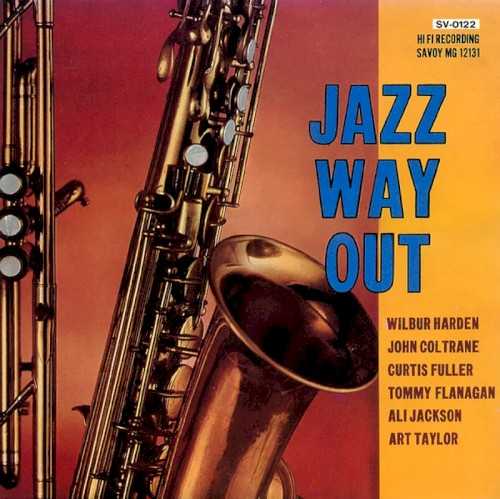 | Album: 8 of 50 Title: Jazz Way Out Released: 1958 Tracks: 3 Duration: 28:08 Scroll: Up Down Top Bottom 25% 50% 75% Wikipedia Allmusic AlbumCover | 1 Dial Africa (08:04) 2 Oomba (05:31) 3 Gold Coast (14:33) |
| Jazz Way Out : Allmusic album Review : The presence of John Coltrane on this 1958 Savoy release is its obvious drawing card, but in fact there are impressive contributions from all hands. Leader Wilbur Harden left the jazz scene by the early 60s, which is a pity. He was a player with fresh ideas and an engaging command of his trumpets and flügelhorns middle register. The sextet heard on this date performs two Harden compositions and one by the groups trombonist, Curtis Fuller, for a skimpy total running time of 29 minutes. The "way out" reference in the title is misleading. There are traces of exotic Asian and African influences, but they never overpower what is essentially an intelligent, straight-ahead, hard bop date. At the time of this release, Coltrane had been recording as a leader and sideman for Prestige and was on his second tour of duty with Miles Davis, whose group was on the verge of recording Kind of Blue. (Coltrane was also about to begin recording for Atlantic.) With Hardens group, Coltrane, as he did with Davis and on his own Atlantic recordings, systematically (and with sublime composure) turns the chord changes inside out, upside down, and sideways, creating a new vocabulary, syntax, and structure for jazz. Coltrane completists will definitely want these tracks in their collections, but the less fanatical listener will also have no difficulty in appreciating the collective performances of the entire sextet. | ||
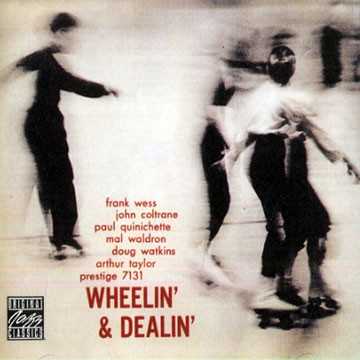 | Album: 9 of 50 Title: Wheelin & Dealin Released: 1958 Tracks: 4 Duration: 45:34 Scroll: Up Down Top Bottom 25% 50% 75% Allmusic AlbumCover | 1 Things Aint What They Used to Be (08:25) 2 Wheelin (11:22) 3 Robbins Nest (15:32) 4 Dealin (10:15) |
| Wheelin' & Dealin' : Allmusic album Review : This two-fer from the excellent Prestige series of two-LP sets features Coltrane at a pair of jam-session-type settings in 1957. He is heard along with fellow tenor Paul Quinichette and Frank Wess on flute and tenor on two long versions apiece of "Wheelin" and "Dealin" in addition to a fine rendition of "Things Aint What They Used to Be" and a 15-minute version of "Robbins Nest." In addition, there are two numbers from a sextet session with trumpeter Bill Hardman and altoist Jackie McLean. Overall the music is not all that essential (since there are so many other Coltrane recordings available) but is quite enjoyable on its own terms and worth picking up. | ||
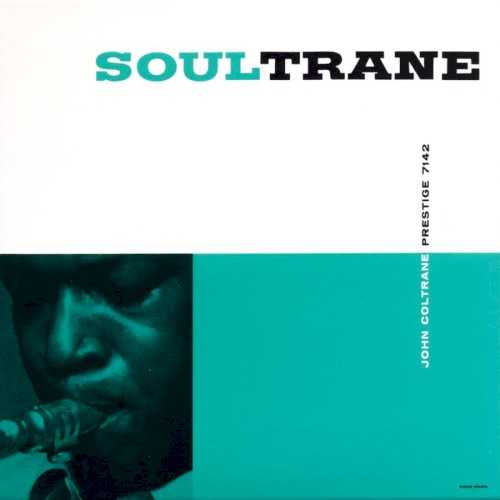 | Album: 10 of 50 Title: Soultrane Released: 1958 Tracks: 5 Duration: 39:39 Scroll: Up Down Top Bottom 25% 50% 75% Spotify TrackSamples Allmusic Wikipedia AlbumCover | 1 Good Bait (12:04) 2 I Want to Talk About You (10:51) 3 You Say You Care (06:14) 4 Theme for Ernie (04:56) 5 Russian Lullaby (05:33) |
| Soultrane : Allmusic album Review : In addition to being bandmates within Miles Davis mid-50s quintet, John Coltrane (tenor sax) and Red Garland (piano) head up a session featuring members from a concurrent version of the Red Garland Trio: Paul Chambers (bass) and Art Taylor (drums). This was the second date to feature the core of this band. A month earlier, several sides were cut that would end up on Coltranes Lush Life album. Soultrane offers a sampling of performance styles and settings from Coltrane and crew. As with a majority of his Prestige sessions, there is a breakneck-tempo bop cover (in this case an absolute reworking of Irving Berlins "Russian Lullaby"), a few smoldering ballads (such as "I Want to Talk About You" and "Theme for Ernie"), as well as a mid-tempo romp ("Good Bait"). Each of these sonic textures displays a different facet of not only the musical kinship between Coltrane and Garland but in the relationship that Coltrane has with the music. The bop-heavy solos that inform "Good Bait," as well as the "sheets of sound" technique that was named for the fury in Coltranes solos on the rendition of "Russian Lullaby" found here, contain the same intensity as the more languid and considerate phrasings displayed particularly well on "I Want to Talk About You." As time will reveal, this sort of manic contrast would become a significant attribute of Coltranes unpredictable performance style. Not indicative of the quality of this set is the observation that, because of the astounding Coltrane solo works that both precede and follow Soultrane -- most notably Lush Life and Blue Train -- the album has perhaps not been given the exclusive attention it so deserves. | ||
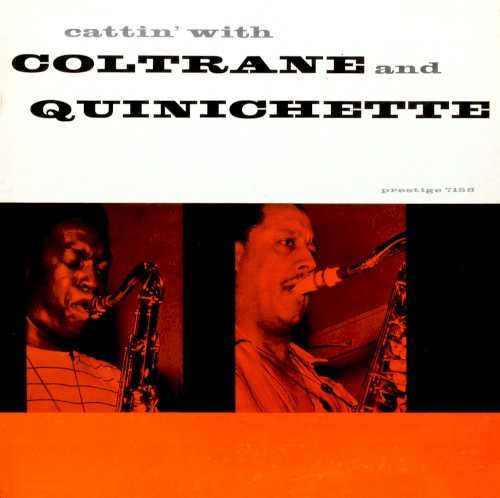 | Album: 11 of 50 Title: Cattin’ with Coltrane and Quinichette Released: 1959 Tracks: 9 Duration: 56:52 Scroll: Up Down Top Bottom 25% 50% 75% Spotify Allmusic AlbumCover | 1 Cattin’ (07:25) 2 Sunday (07:02) 3 Exactly Like You (06:50) 4 Anatomy (08:55) 5 Vodka (09:10) 6 Tea for Two (08:08) 7 Green Is Blue (03:33) 8 You Belong to Me (03:04) 9 Birdland Jump (02:45) |
| Cattin’ with Coltrane and Quinichette : Allmusic album Review : This mid-90s DCC Jazz edition of the John Coltrane (tenor sax)/Paul Quinichette (tenor sax) title Cattin with Coltrane and Quinichette (1958) contains the same excellent remastering and bonus tracks as its standard silver pressing -- without the superfluous expense of a 24-karat gold disc. Audiophile pressing or naught, what remains as the centerpiece are the selections that the co-leads cut during a mid-May 1957 session with Mal Waldron (piano), plus a rhythm section consisting of Julian Euell (bass) and Ed Thigpen (drums). Waldron -- who penned all the albums originals -- proves why he is one of the best composer/arrangers for Coltrane. His stylish tickling of the 88s sets the pace with a stealthy and sinister platform for Coltranes bluesy blowing, followed by Quinichettes exceedingly soulful solo. "Sunday" exemplifies why Quinichette was considered as a sonic successor to Lester Young. Both of the primary constituents put forth much of their respective selves, with Quinichettes reserved and thoughtful input balancing Coltranes inspired torrent of notes. Somewhat darker in tone, "Anatomy" is a springboard for indulging the development of singular and personable statements from Coltrane and company. Another key component to Cattin is the unification of Quinichette and Coltrane on "Vodka." The pair is joined by Waldron for a few energetic and lyrical submissions before converging for a sublime conclusion that will make enthusiasts pine for more. In terms of the extras, "Green Is Blue," "You Belong to Me," and "Birdland Jump" are all credited to the Paul Quinichette Quintet and do not feature Coltrane. | ||
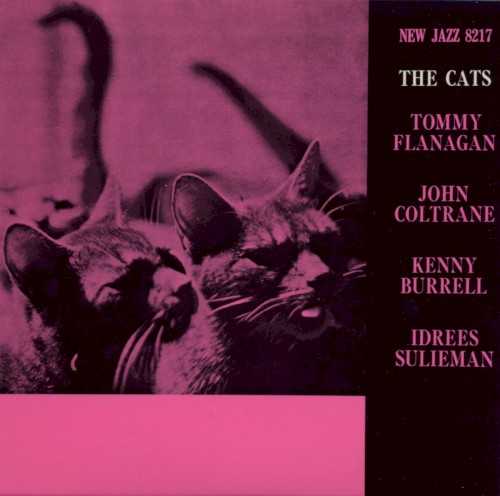 | Album: 12 of 50 Title: The Cats Released: 1959 Tracks: 5 Duration: 42:29 Scroll: Up Down Top Bottom 25% 50% 75% Wikipedia Allmusic AlbumCover | 1 Minor Mishap (07:26) 2 How Long Has This Been Going On? (05:58) 3 Eclypso (07:57) 4 Solacium (09:10) 5 Tommys Tune (11:58) |
| The Cats : Allmusic album Review : In 1957, the greatest year for recorded music including modern jazz, Detroit was a hot spot, a centerpiece to many hometown heroes as well as short-term residents like John Coltrane and Miles Davis. It was here that Trane connected with pianist Tommy Flanagan, subsequently headed for the East Coast, and recorded this seminal hard bop album. In tow were fellow Detroiters -- drummer Louis Hayes, bassist Doug Watkins, and guitarist Kenny Burrell, with the fine trumpeter from modern big bands Idrees Sulieman as the sixth wheel. From the opening number, the classic "Minor Mishap," you realize something special is happening. Flanagan is energized, playing bright and joyous melody lines, comping and soloing like the blossoming artist he was. Coltrane is effervescent and inspired, hot off the presses from the Miles Davis Quintet and searching for more expressionism. The other hard bop originals, "Eclypso" and "Solacium," easily burn with a cool flame not readily associated with East Coast jazz. Flanagan himself is the catalyst more than the horns -- dig his soaring, animated solo on "Eclypso" as he quotes "Jeepers Creepers." The near 12-minute blues "Tommys Tune" is the perfect vehicle for Burrell, a prelude for his classics of the same period "All Day Long" and "All Night Long." The lone trio session, on the standard "How Long Has This Been Going On?," is regarded as quintessential Flanagan, and quite indicative of the Midwestern Motor City flavor Flanagan and his many peers brought into the mainstream jazz of the day and beyond. One yearns for alternate takes of this session. The Cats is a prelude to much more music from all of these masters that would come within a very short time period thereafter, and cannot come more highly recommended. Its a must-buy for the ages. | ||
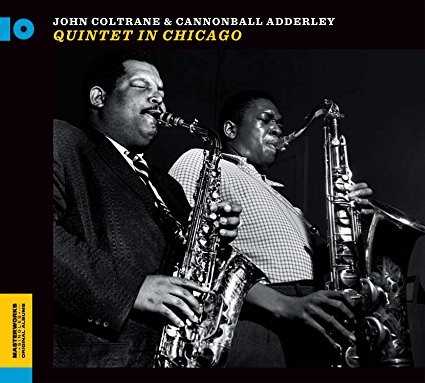 | Album: 13 of 50 Title: Quintet in Chicago Released: 1959 Tracks: 12 Duration: 1:09:51 Scroll: Up Down Top Bottom 25% 50% 75% AlbumCover | 1 Limehouse Blues (04:42) 2 Stars Fell On Alabama (06:16) 3 Wabash (05:48) 4 Grand Central (04:35) 5 Youre A Weaver Of Dreams (05:36) 6 The Sleeper (07:15) 7 Mating Call (05:40) 8 Gnid (05:12) 9 Soultrane (05:27) 10 On a Misty Night (06:25) 11 Romas (06:57) 12 Super Jet (05:52) |
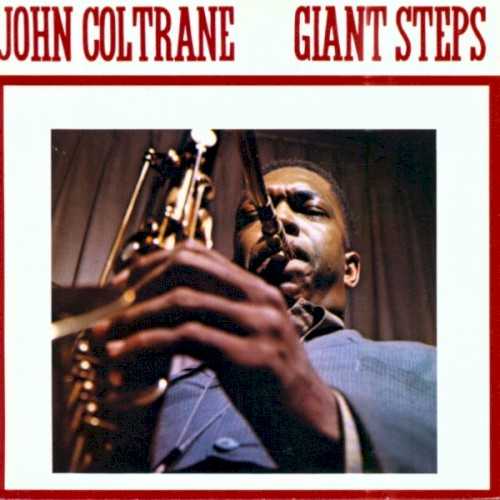 | Album: 14 of 50 Title: Giant Steps Released: 1959-12 Tracks: 7 Duration: 37:33 Scroll: Up Down Top Bottom 25% 50% 75% Spotify TrackSamples Wikipedia Allmusic AlbumCover | 1 Giant Steps (04:47) 2 Cousin Mary (05:49) 3 Countdown (02:26) 4 Spiral (06:02) 5 Syeeda’s Song Flute (07:05) 6 Naima (04:24) 7 Mr. P.C. (06:58) |
| Giant Steps : Allmusic album Review : History will undoubtedly enshrine this disc as a watershed the likes of which may never truly be appreciated. Giant Steps bore the double-edged sword of furthering the cause of the music as well as delivering it to an increasingly mainstream audience. Although this was John Coltranes debut for Atlantic, he was concurrently performing and recording with Miles Davis. Within the space of less than three weeks, Coltrane would complete his work with Davis and company on another genre-defining disc, Kind of Blue, before commencing his efforts on this one. Coltrane (tenor sax) is flanked by essentially two different trios. Recording commenced in early May of 1959 with a pair of sessions that featured Tommy Flanagan (piano) and Art Taylor (drums), as well as Paul Chambers -- who was the only bandmember other than Coltrane to have performed on every date. When recording resumed in December of that year, Wynton Kelly (piano) and Jimmy Cobb (drums) were instated -- replicating the lineup featured on Kind of Blue, sans Miles Davis of course. At the heart of these recordings, however, is the laser-beam focus of Coltranes tenor solos. All seven pieces issued on the original Giant Steps are likewise Coltrane compositions. He was, in essence, beginning to rewrite the jazz canon with material that would be centered on solos -- the 180-degree antithesis of the art form up to that point. These arrangements would create a place for the solo to become infinitely more compelling. This would culminate in a frenetic performance style that noted jazz journalist Ira Gitler accurately dubbed "sheets of sound." Coltranes polytonal torrents extricate the amicable and otherwise cordial solos that had begun decaying the very exigency of the genre -- turning it into the equivalent of easy listening. He wastes no time as the discs title track immediately indicates a progression from which there would be no looking back. Line upon line of highly cerebral improvisation snake between the melody and solos, practically fusing the two. The resolute intensity of "Countdown" does more to modernize jazz in 141 seconds than many artists do in their entire careers. Tellingly, the contrasting and ultimately pastoral "Naima" was the last tune to be recorded, and is the only track on the original long-player to feature the Kind of Blue quartet. What is lost in tempo is more than recouped in intrinsic melodic beauty. Both Giant Steps [Deluxe Edition] and the seven-disc Heavyweight Champion: The Complete Atlantic Recordings offer more comprehensive presentations of these sessions. | ||
 | Album: 15 of 50 Title: Thelonious Monk with John Coltrane Released: 1961 Tracks: 6 Duration: 37:47 Scroll: Up Down Top Bottom 25% 50% 75% Spotify Allmusic AlbumCover | 1 Ruby, My Dear (06:21) 2 Trinkle, Tinkle (06:40) 3 Off Minor (take 4) (05:15) 4 Nutty (06:38) 5 Epistrophy (alternate take) (03:09) 6 Functional (alternate take) (09:43) |
| Thelonious Monk with John Coltrane : Allmusic album Review : Universally regarded as one of the greatest collaborations between the two most influential musicians in modern jazz (Miles Davis notwithstanding), the Jazzland sessions from Thelonious Monk and John Coltrane should be recognized on other levels. While the mastery of the principals is beyond reproach, credit should also be given to peerless bassist Wilbur Ware, as mighty an anchor as anyone could want. These 1957 dates also sport a variety in drummerless trio, quartet, septet, or solo piano settings, all emphasizing the compelling and quirky compositions of Monk. A shouted-out, pronounced "Off Minor" and robust, three-minute "Epistrophy" with legendary saxophonists Coleman Hawkins, Gigi Gryce, and the brilliant, underappreciated trumpeter Ray Copeland are hallmark tracks that every jazz fan should revere. Of the four quartet sessions, the fleet "Trinkle Tinkle" tests Coltranes mettle, as hes perfectly matched alongside Monk, but conversely unforced during "Nutty" before taking off. Monks solo piano effort, "Functional," is flavored with blues, stride, and boogie-woogie, while a bonus track, "Monks Mood," has a Monk-Ware-Coltrane tandem (minus drummer Shadow Wilson) back for an eight-minute excursion primarily with Monk in a long intro, Trane in late, and Wares bass accents booming through the studio. This will always be an essential item standing proudly among unearthed live sessions from Monk and Coltrane, demarcating a pivotal point during the most significant year in all types of music, from a technical and creative standpoint, but especially the jazz of the immediate future. | ||
 | Album: 16 of 50 Title: Settin the Pace Released: 1961 Tracks: 4 Duration: 40:41 Scroll: Up Down Top Bottom 25% 50% 75% Spotify Wikipedia Allmusic AlbumCover | 1 I See Your Face Before Me (09:59) 2 If There Is Someone Lovelier Than You (09:22) 3 Little Melonae (14:06) 4 Rise n Shine (07:14) |
| Settin' the Pace : Allmusic album Review : This is John Coltrane from the period when he was a member of Miles Davis legendary 1950s quintet, accompanied by fellow quintet members Red Garland and Paul Chambers. This is Coltrane in a relaxed bop mode, making some swinging, relaxed jazz in the vein of Sonny Rollins and Stan Getz (the latter in his more boppish mode). This is not the fire-breathing saxophonist of the mid-60s, but a player who was beginning to push against the boundaries, all the while playing with thoughtful, imaginative lyricism. Its a set of little-known pop tunes of the era, with the exception of Jackie McLeans "Little Melonae." Anyone who likes the mainstream jazz of the 50s, or Miles music of that time, or Coltrane fans who want to hear their idol in an easygoing context, should pick this up. | ||
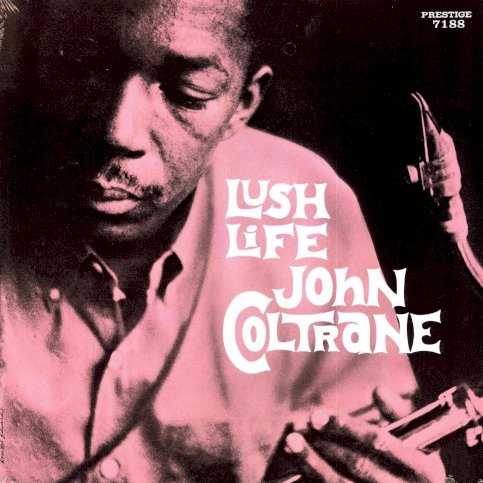 | Album: 17 of 50 Title: Lush Life Released: 1961 Tracks: 5 Duration: 36:26 Scroll: Up Down Top Bottom 25% 50% 75% Spotify Wikipedia Allmusic AlbumCover | 1 Like Someone in Love (04:57) 2 I Love You (05:31) 3 Trane’s Slo Blues (06:02) 4 Lush Life (13:54) 5 I Hear a Rhapsody (06:00) |
| Lush Life : Allmusic album Review : Lush Life (1958) is among John Coltranes best endeavors on the Prestige label. One reason can easily be attributed to the interesting personnel and the subsequent lack of a keyboard player for the August 16, 1957 session that yielded the majority of the material. Coltrane (tenor sax) had to essentially lead the compact trio of himself, Earl May (bass), and Art Taylor (drums). The intimate setting is perfect for ballads such as the opener "Like Someone in Love." Coltrane doesnt have to supplement the frequent redundancy inherent in pianists, so he has plenty of room to express himself through simple and ornate passages. Unifying the slippery syncopation and slightly Eastern feel of "I Love You" is the tenors prevalent capacity for flawless, if not downright inspired on-the-spot "head" arrangements that emerge singular and clear, never sounding preconceived. Even at an accelerated pace, the rhythm section ably prods the backbeat without interfering. A careful comparison will reveal that "Tranes Slo Blues" is actually a fairly evident derivation (or possibly a different take) of "Slowtrane." But dont let the title fool you as the mid-tempo blues is undergirded by a lightheartedness. May provides a platform for Coltranes even keeled runs before the tenor drops out, allowing both May and then Taylor a chance to shine. The fun cat-and-mouse-like antics continue as Taylor can be heard encouraging the tenor player to raise the stakes and the tempo -- which he does to great effect. The practically quarter-hour reading of Billy Strayhorns "Lush Life" is not only the focal point of this album, it is rightfully considered as one of Coltranes unqualified masterworks. The performance hails from January 10, 1958 as Coltrane sits in with Red Garland (piano), Donald Byrd (trumpet), Paul Chambers (bass), and Louis Hayes (drums). Coltrane handles the tunes delicate complexities with infinite style and finesse. Garland similarly sparkles at the 88s, while Byrds solo offers a bit of a tonal alternative. It should be noted that the reading here does not include a vocal from Johnny Hartman. That version can be found on the ever imaginatively monikered John Coltrane & Johnny Hartman (1963). | ||
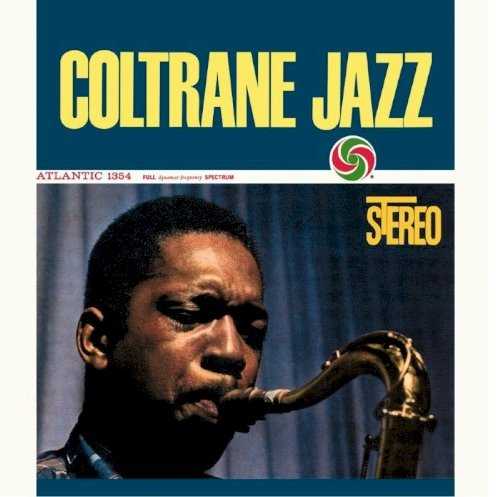 | Album: 18 of 50 Title: Coltrane Jazz Released: 1961 Tracks: 8 Duration: 38:32 Scroll: Up Down Top Bottom 25% 50% 75% Spotify TrackSamples Wikipedia Allmusic AlbumCover | 1 Little Old Lady (04:26) 2 Village Blues (05:23) 3 My Shining Hour (04:52) 4 Fifth House (04:41) 5 Harmonique (04:12) 6 Like Sonny (05:52) 7 Ill Wait and Pray (03:32) 8 Some Other Blues (05:34) |
| Coltrane Jazz : Allmusic album Review : The first album to hit the shelves after Giant Steps, Coltrane Jazz was largely recorded in late 1959, although one of the eight songs ("Village Blues") was done in late 1960. On everything save the aforementioned "Village Blues," Coltrane used the Miles Davis rhythm section of pianist Wynton Kelly, bassist Paul Chambers, and drummer Jimmy Cobb. While not the groundbreaker that Giant Steps was, Coltrane Jazz was a good consolidation of his gains as he prepared to launch into his peak years of the 1960s. There are three standards aboard, but the group reaches their peak on Coltranes original material, particularly "Harmonique" with its melodic leaps and upper-register saxophone strains and the winding, slightly Eastern-flavored principal riffs of "Like Sonny," dedicated to Sonny Rollins. The moody "Village Blues" features the lineup of McCoy Tyner on piano, Elvin Jones on drums, and Steve Davis on bass; with the substitution of Jimmy Garrison on bass, that personnel would play on Coltranes most influential and beloved 1960s albums. [Some reissues add four bonus tracks: alternate takes of "Like Sonny" and "Ill Wait and Pray" that were first issued on Alternate Takes and alternate takes of "Like Sonny" and "Village Blues" that came out on the Heavyweight Champion: The Complete Atlantic Recordings box.] | ||
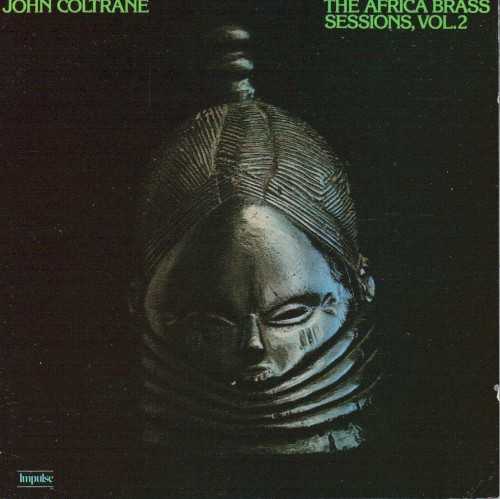 | Album: 19 of 50 Title: The Africa Brass Sessions, Vol. 2 Released: 1961 Tracks: 3 Duration: 33:45 Scroll: Up Down Top Bottom 25% 50% 75% AlbumCover | 1 Song of the Underground Railroad (06:45) 2 Greensleeves (10:54) 3 Africa (16:06) |
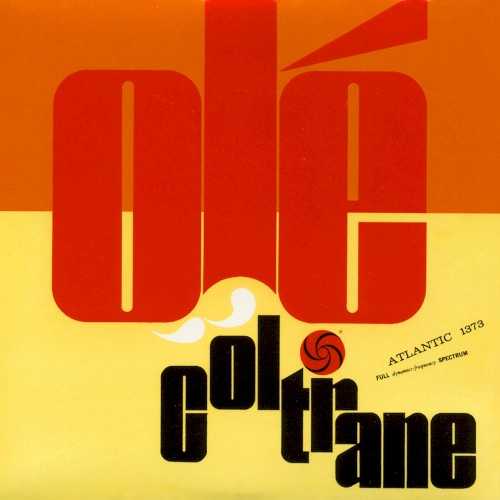 | Album: 20 of 50 Title: Olé Coltrane Released: 1961 Tracks: 4 Duration: 45:45 Scroll: Up Down Top Bottom 25% 50% 75% Spotify Wikipedia AlbumCover | 1 Olé (18:15) 2 Dahomey Dance (10:50) 3 Aisha (07:38) 4 To Her Ladyship (09:00) |
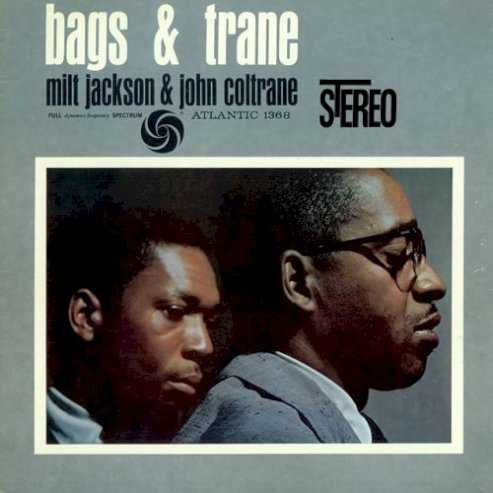 | Album: 21 of 50 Title: Bags & Trane Released: 1961 Tracks: 8 Duration: 56:42 Scroll: Up Down Top Bottom 25% 50% 75% Spotify Wikipedia Allmusic AlbumCover | 1 Stairway to the Stars (03:32) 2 The Late Late Blues (09:36) 3 Bags & Trane (07:28) 4 Three Little Words (07:32) 5 The Night We Called It a Day (04:24) 6 Be-Bop (08:00) 7 Blues Legacy (09:04) 8 Centerpiece (07:06) |
| Bags & Trane : Allmusic album Review : Vibraphonist Milt Jackson and tenor saxophonist John Coltrane make for a surprisingly complementary team on this 1959 studio session, their only joint recording. With fine backup by pianist Hank Jones, bassist Paul Chambers, and drummer Connie Kay, Bags and Trane stretch out on two of Jacksons originals (including "The Late Late Blues") and three standards: a romping "Three Little Words," "The Night We Called It a Day," and the rapid "Be-Bop." This enjoyable music has been included as part of Rhinos Heavyweight Champion: The Complete Atlantic Recordings box. | ||
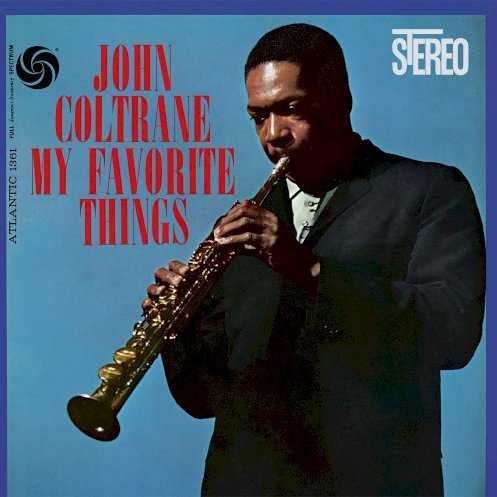 | Album: 22 of 50 Title: My Favorite Things Released: 1961 Tracks: 4 Duration: 40:37 Scroll: Up Down Top Bottom 25% 50% 75% Spotify TrackSamples Allmusic Wikipedia AlbumCover | 1 My Favorite Things (13:44) 2 Every Time We Say Goodbye (05:43) 3 Summertime (11:35) 4 But Not for Me (09:34) |
| My Favorite Things : Allmusic album Review : Although seemingly impossible to comprehend, this landmark jazz date made in 1960 was recorded in less than three days. All the more remarkable is that the same sessions which yielded My Favorite Things would also inform a majority of the albums Coltrane Plays the Blues, Coltranes Sound, and Coltrane Legacy. It is easy to understand the appeal that these sides continue to hold. The unforced, practically casual soloing styles of the assembled quartet -- which includes Coltrane (soprano/tenor sax), McCoy Tyner (piano), Steve Davis (bass), and Elvin Jones (drums) -- allow for tastefully executed passages à la the Miles Davis Quintet, a trait Coltrane no doubt honed during his tenure in that band. Each track of this album is a joy to revisit. The ultimate listenability may reside in this quartets capacity to not be overwhelmed by the soloist. Likewise, they are able to push the grooves along surreptitiously and unfettered. For instance, the support that the trio -- most notably Tyner -- gives to Coltrane on the title track winds the melody in and around itself. However, instead of becoming entangled and directionless, these musical sidebars simultaneously define the direction the song is taking. As a soloist, the definitive soprano sax runs during the Cole Porter standard "Everytime We Say Goodbye" and tenor solos on "But Not for Me" easily establish Coltrane as a pioneer of both instruments. | ||
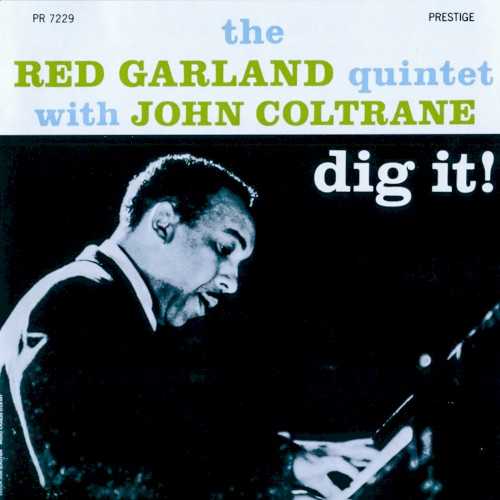 | Album: 23 of 50 Title: Dig It! Released: 1962 Tracks: 4 Duration: 33:43 Scroll: Up Down Top Bottom 25% 50% 75% Spotify AlbumCover | 1 Billies Bounce (09:24) 2 Crazy Rhythm (03:27) 3 C.T.A. (04:42) 4 Lazy Mae (16:09) |
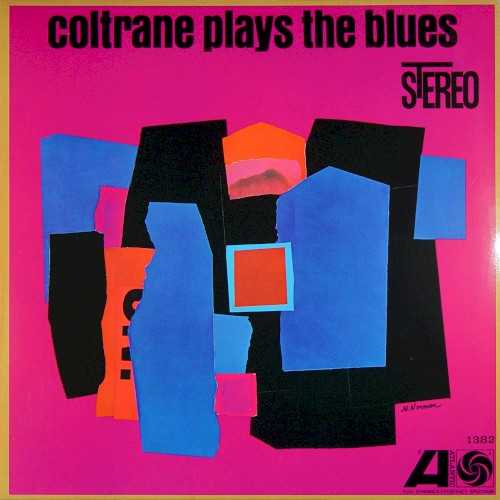 | Album: 24 of 50 Title: Coltrane Plays the Blues Released: 1962 Tracks: 11 Duration: 1:14:20 Scroll: Up Down Top Bottom 25% 50% 75% Spotify TrackSamples Wikipedia Allmusic AlbumCover | 1 Blues to Elvin (07:52) 2 Blues to Bechet (05:45) 3 Blues to You (06:27) 4 Mr. Day (07:56) 5 Mr. Syms (05:21) 6 Mr. Knight (07:32) 7 [untitled original: Exotica] (05:20) 8 Blues to Elvin (alternate take 1) (11:02) 9 Blues to Elvin (alternate take 3) (05:55) 10 Blues to You (alternate take 1) (05:36) 11 Blues to You (alternate take 2) (05:30) |
| Coltrane Plays the Blues : Allmusic album Review : Coltranes sessions for Atlantic in late October 1960 were prolific, yielding the material for My Favorite Things, Coltrane Plays the Blues, and Coltranes Sound. My Favorite Things was destined to be the most remembered and influential of these, and while Coltrane Plays the Blues is not as renowned or daring in material, it is still a powerful session. As for the phrase "plays the blues" in the title, thats not an indicator that the tunes are conventional blues (they arent). Its more indicative of a bluesy sensibility, whether he is playing muscular saxophone or, on "Blues to Bechet" and "Mr. Syms," the more unusual sounding (at the time) soprano sax. Elvin Jones, who hadnt been in Coltranes band long, really busts out on the quicker numbers, such as "Blues to You" and "Mr. Day." [Some reissues add five bonus tracks: two alternates apiece of "Blues to Elvin" and "Blues to You," and "Untitled Original (Exotica)." All three were recorded on October 24, 1960. Also, a two-CD Expanded Edition released in 2017 included 13 bonus tracks recorded between 1957 and 1960, featuring the aforementioned Jones, pianist McCoy Tyner and bassist Steve Davis (both also heard on the original Plays the Blues album), as well as such additional jazz luminaries as Donald Byrd, Lee Morgan, Gene Ammons, Cecil Payne, Pepper Adams, Milt Jackson, Hank Jones, Red Garland, Mal Waldron, Wynton Kelly, Paul Chambers, and Art Taylor.] | ||
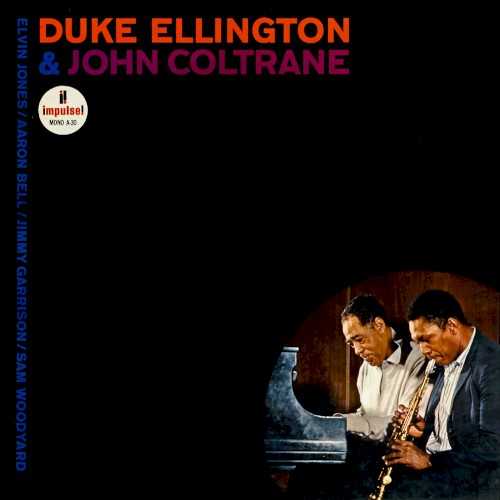 | Album: 25 of 50 Title: Duke Ellington & John Coltrane Released: 1963 Tracks: 7 Duration: 35:05 Scroll: Up Down Top Bottom 25% 50% 75% Spotify Allmusic Wikipedia AlbumCover | 1 In a Sentimental Mood (04:18) 2 Take the Coltrane (04:46) 3 Big Nick (04:30) 4 Stevie (04:27) 5 My Little Brown Book (05:24) 6 Angelica (06:04) 7 The Feeling of Jazz (05:33) |
| Duke Ellington & John Coltrane : Allmusic album Review : The classic 1962 album Duke Ellington & John Coltrane showcased the rising jazz saxophone innovator performing alongside the long-established piano institution. While the pairing might have portended a dynamic clash of the musical generations, instead we got a casual, respectful, and musically generous meeting of like-minded souls. Similarly, while one might have assumed that Ellington would use his sidemen, instead producer Bob Thiele (who also produced similar albums for Ellington including pairings with Louis Armstrong and Coleman Hawkins) chose to bring in Coltranes own outfit for the proceedings. Consequently, the duo is backed here at various times by bassist Jimmy Garrison and drummer Elvin Jones, as well as alternates bassist Aaron Bell and drummer Sam Woodyard. The most surprising aspect of the Ellington/Coltrane date is how well suited Coltrane and his group are at playing what largely ends up being Ellingtons own material. While he was certainly in the nascency of his more avant-garde period in 1962, Coltrane had a deep understanding of traditional jazz vocabulary, having played in a swing band in the Navy in the 1940s and studied the style of artists like Hawkins and Ben Webster while coming up in Philadelphia. Similarly, though an icon of the big-band era by the 1960s, Ellington had been on the upswing of a career resurgence ever since his dynamic performance at the 1958 Newport Jazz Festival, later released as Ellington at Newport. His meeting with Coltrane was emblematic of his renewed creativity and was one of several albums he recorded in his latter life with theretofore unexpected artists, not the least of which his other 1962 date, Money Jungle with bassist Charles Mingus and drummer Max Roach. Here, Ellington and Coltrane play a handful of well-known Ellington book numbers, including a supremely lyrical "In a Sentimental Mood" and a soulful, half-lidded version of Billy Strayhorns "My Little Brown Book." Ellington even supplied the brisk original "Take the Coltrane," allowing plenty of room for Coltrane to let loose with knotty, angular lines. | ||
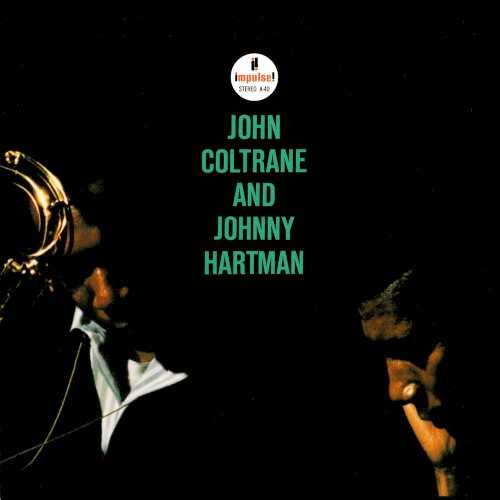 | Album: 26 of 50 Title: John Coltrane and Johnny Hartman Released: 1963 Tracks: 6 Duration: 31:16 Scroll: Up Down Top Bottom 25% 50% 75% Spotify Allmusic Wikipedia AlbumCover | 1 They Say It’s Wonderful (05:20) 2 Dedicated to You (05:31) 3 My One and Only Love (04:57) 4 Lush Life (05:30) 5 You Are Too Beautiful (05:36) 6 Autumn Serenade (04:19) |
| John Coltrane and Johnny Hartman : Allmusic album Review : John Coltranes matchup with singer Johnny Hartman, although quite unexpected, works extremely well. Hartman was in prime form on the six ballads, and his versions of "Lush Life" and "My One and Only Love" have never been topped. Coltranes playing throughout the session is beautiful, sympathetic, and still exploratory; he sticks exclusively to tenor on the date. At only half an hour, one wishes there were twice as much music, but what is here is classic, essential for all jazz collections. | ||
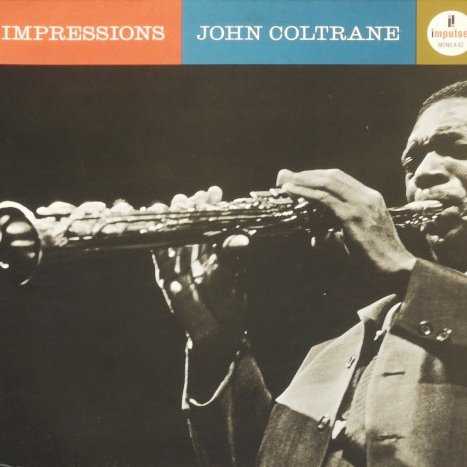 | Album: 27 of 50 Title: Impressions Released: 1963 Tracks: 4 Duration: 36:31 Scroll: Up Down Top Bottom 25% 50% 75% Spotify Allmusic Wikipedia AlbumCover | 1 India (14:07) 2 Up Gainst the Wall (03:12) 3 Impressions (15:03) 4 After the Rain (04:09) |
| Impressions : Allmusic album Review : Impressions is a hodgepodge of memorable John Coltrane performances from the 1961-1963 period. "India" and "Impressions" are taken from Tranes famous November 1961 engagement at the Village Vanguard; bass clarinetist Eric Dolphy is heard on the former while the latter features a marathon solo from Coltrane on tenor. Also included on this set are 1962s "Up Gainst the Wall" and the classic of the album, 1963s "After the Rain." [This edition of Impressions includes the ten-plus-minute bonus track "Dear Old Stockholm."] | ||
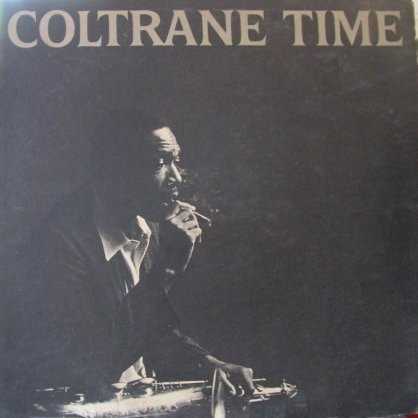 | Album: 28 of 50 Title: Coltrane Time Released: 1963 Tracks: 4 Duration: 33:38 Scroll: Up Down Top Bottom 25% 50% 75% Spotify Allmusic AlbumCover | 1 Shifting Down (10:43) 2 Just Friends (06:17) 3 Like Someone in Love (08:14) 4 Double Clutching (08:23) |
| Coltrane Time : Allmusic album Review : This is a most unusual LP due to the inclusion of Cecil Taylor on piano. Although Taylor and John Coltrane got along well, trumpeter Kenny Dorham (who is also on this quintet date) hated the avant-garde pianists playing and was clearly bothered by Taylors dissonant comping behind his solos. With bassist Chuck Israels and drummer Louis Hayes doing their best to ignore the discord, the group manages to perform two blues and two standards with Dorham playing strictly bop, Taylor coming up with fairly free abstractions, and Coltrane sounding somewhere in between. The results are unintentionally fascinating. | ||
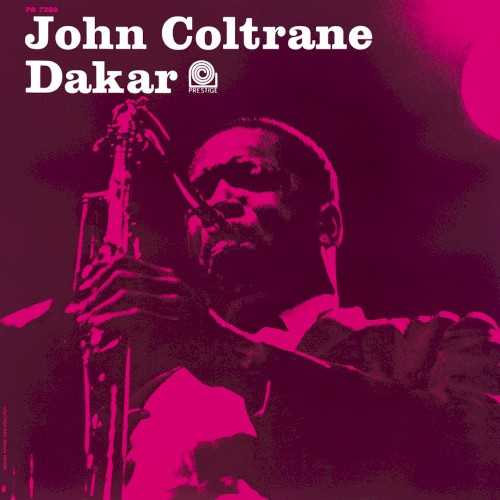 | Album: 29 of 50 Title: Dakar Released: 1963 Tracks: 6 Duration: 39:43 Scroll: Up Down Top Bottom 25% 50% 75% Spotify Allmusic Wikipedia AlbumCover | 1 Dakar (07:10) 2 Marys Blues (06:49) 3 Route 4 (06:56) 4 Velvet Scene (04:54) 5 Witches Pit (06:42) 6 Cat Walk (07:12) |
| Dakar : Allmusic album Review : Dakar (1957) presents half-a-dozen numbers recorded April 20, 1957 by an ensemble credited as the "Prestige All-Stars." On the bandstand for this date are John Coltrane (tenor sax), Cecil Payne (baritone sax), Pepper Adams (baritone sax), Mal Waldron (piano), Doug Watkins (bass), and Art Taylor (drums). Although at the time these were considered "leaderless" units, upon hearing the interaction of the participants, modern ears might desire to qualify that statement. The Latin-flavored title track "Dakar" finds Coltrane adapting his solo to faultlessly conform to Payne and Adams comparatively fuller-bodied involvement. The brooding chord progressions take on dark overtones with Coltrane joining Waldron as they burst forth fuelled by the soulful brass section. "Marys Blues" is a treat for sax lovers as Adams -- who penned the number -- almost immediately raises the musical stakes for Coltrane. The differences in their respective presentations offer a contrast that complements the cool refinement of Adams and Pepper when juxtaposed with Coltranes frenetic flurries. Particularly engaging are the sequence of four-bar blasts from the horn players, just prior to Coltrane pushing the combo through their paces. On "Route Four" the strongest elements of each player surface, creating one of the platters brightest moments. Right out of the box, Waldron unleashes line upon line of masterful lyricism. The driving tempo keeps the instrumentalists on their toes as Coltrane is sandwiched between the undeniably and equally inspired Payne and Adams. Here, the urgency of Coltranes tenor sax clearly tests the boundaries of the Taylor/Watkins rhythm section. The moody and sublime ballad "Velvet Scene" is a Waldron composition containing some of the authors strongest individual involvement as he interjects his expressive keyboarding directly into the melody. If the album is flawed, that may well be due to Coltranes inability to deliver during "Witches Pit." Perhaps because he is the first soloist, there seems to be no immediate direction to his playing. In a highly unusual move, he simply trails off rather than concluding his portion with his usual command and authority. "Cat Walk" restores Coltranes sinuous leads during a couple of jaunty double-time excursions that tread gingerly around the catchy tune. Jazz enthusiasts -- especially lovers of Thelonious Monk -- should easily be able to discern Adams nod to "Round Midnight." | ||
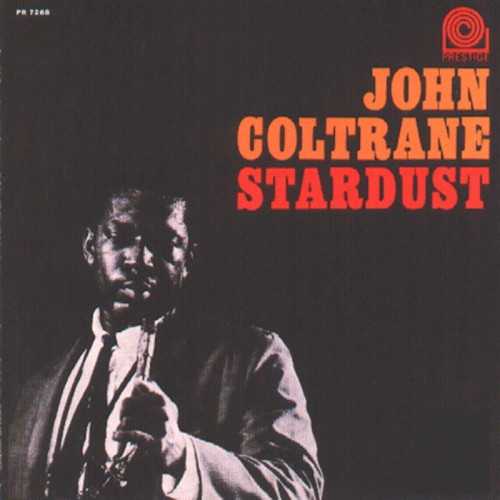 | Album: 30 of 50 Title: Stardust Released: 1963 Tracks: 4 Duration: 37:11 Scroll: Up Down Top Bottom 25% 50% 75% Spotify Wikipedia Allmusic AlbumCover | 1 Stardust (10:43) 2 Time After Time (07:41) 3 Love Thy Neighbor (09:26) 4 Then Ill Be Tired of You (09:21) |
| Stardust : Allmusic album Review : In 1958, John Coltrane had yet to take the modal post-bop plunge. He was still a hard bopper, although his "sheets of sound" solos were certainly among the most interesting, creative, and distinctive that bop had to offer in the late 50s. Stardust contains some highlights of two bop-oriented Coltrane dates from 1958: one is a July 11 session with trumpeter/flügelhornist Wilbur Harden, pianist Red Garland, bassist Paul Chambers, and drummer Jimmy Cobb; the other is a December 26 session with Garland, Chambers, trumpeter Freddie Hubbard, and drummer Art Taylor. At both sessions, Coltranes playing is quite engaging. He is a lyrical, expressive ballad player on "Then Ill Be Tired of You," "Stardust," and "Time After Time," but he swings fast and aggressively on "Love Thy Neighbor" (the only track on this 39-minute program that isnt a ballad). At both sessions, Coltrane is well served by Garlands piano and Chambers bass. When Coltrane was playing alongside those jazzmen in Miles Davis 1955-1957 quintet, he enjoyed a strong rapport with both of them -- and that rapport wasnt any weaker in 1958. It is no coincidence that Prestiges A&R department united Coltrane with Garland and Chambers so often; Prestige knew how compatible all of them were. Although not quite essential, Stardust paints a consistently attractive picture of Coltranes 1958 output. | ||
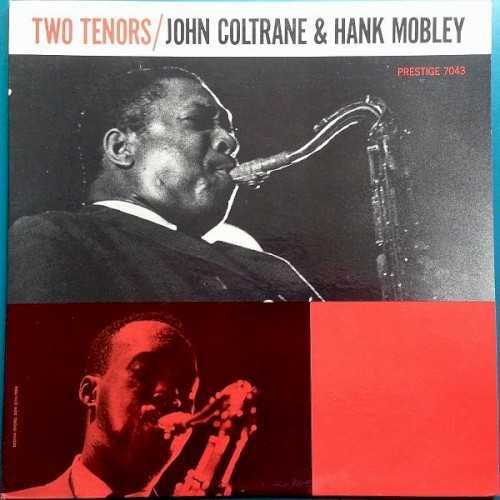 | Album: 31 of 50 Title: Two Tenors Released: 1964 Tracks: 4 Duration: 38:34 Scroll: Up Down Top Bottom 25% 50% 75% Allmusic AlbumCover | 1 Weeja (11:10) 2 Polka Dots and Moonbeams (08:38) 3 On It (09:03) 4 Avalon (09:40) |
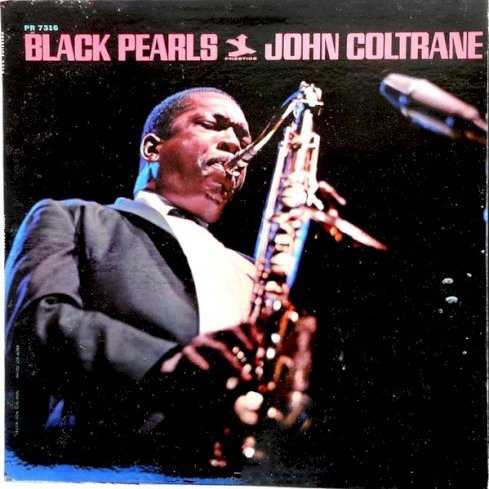 | Album: 32 of 50 Title: Black Pearls Released: 1964 Tracks: 3 Duration: 38:56 Scroll: Up Down Top Bottom 25% 50% 75% Spotify Allmusic Wikipedia AlbumCover | 1 Black Pearls (13:14) 2 Lover, Come Back to Me (07:28) 3 Sweet Sapphire Blues (18:13) |
| Black Pearls : Allmusic album Review : As is often the case with an artist as prolific as John Coltrane, not every release can be considered as essential. Black Pearls seems a bit ambiguous when placed in a more historical context. It was only three days later that Coltrane participated not as a leader, but rather a member, of the Miles Davis Sextet that recorded "Stella By Starlight" and "On Green Dolphin Street." There is an obvious disparity between these three mostly improvised and lengthy jams and the Davis session. This is in no way to insinuate that Coltranes performance is anything less than par. Black Pearls indeed captures Coltrane at the height of perfecting the intense volley that would garner the name "sheets of sound." Featuring Donald Byrd (trumpet) and the Red Garland Trio -- Garland (piano), Paul Chambers (bass), and Art Taylor (drums) -- this is the same quintet that had mightily contributed to Lush Life and The Believers, as well as The Last Trane. This session would be their last together. The title track is a mid-tempo bop number that quite frankly fails to make a great melodic impact. Its not until Coltranes indomitable solo that a direction is found and, for a short while, remains focused. Once the reins are passed to Byrd, Garland, Chambers, and to a lesser extent Taylor, the song meanders through some fairly vapid changes. Fortunately, the soloing from Byrd is more direct and is able to build and support Coltranes equally impressive display. The difference is immeasurable as no holds are barred from Garland or Taylor -- who is arguably at his prime. All told, this performance is well worth the price of admission. At 18-plus minutes, "Sweet Sapphire Blues" (penned by Prestige Records owner Robert Weinstock) is the longest track on Black Pearls. It is in essence a 12-bar blues jam. Coltranes double- and triple-time solo is primal within this setting. The overemphatic backbeat allows for more group interaction, yielding a full and well-rounded union among the musicians that was sadly absent from the opening track. | ||
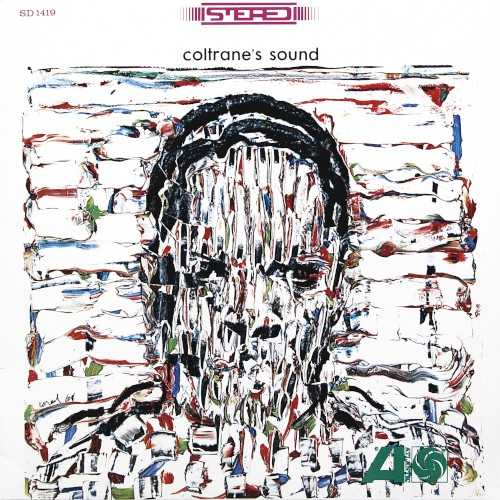 | Album: 33 of 50 Title: Coltranes Sound Released: 1964 Tracks: 8 Duration: 50:31 Scroll: Up Down Top Bottom 25% 50% 75% Spotify Wikipedia Allmusic AlbumCover | 1 The Night Has a Thousand Eyes (06:52) 2 Central Park West (04:16) 3 Liberia (06:53) 4 Body and Soul (05:40) 5 Equinox (08:35) 6 Satellite (05:59) 7 26-2 (06:17) 8 Body and Soul (alternate take) (05:58) |
| Coltrane's Sound : Allmusic album Review : This is one of the most highly underrated entries in Coltranes voluminous catalog. Although the same overwhelming attention bestowed upon My Favorite Things was not given to Coltranes Sound upon its initial release, both were actually recorded during the same three-day period in the fall of 1960. So prolific were those recording dates, they informed no less than five different Coltrane albums on Atlantic. The title could not have been more accurate, as each of the six pieces bear the unmistakable and indelible stamp of Coltranes early-60s style. "The Night Has a Thousand Eyes" and "Body and Soul" (the only tracks not penned by Coltrane) are given unique and distinctive voices. Animating the arrangements on these sessions were Coltrane (soprano/tenor sax), Steve Davis (bass), Elvin Jones (drums), and McCoy Tyner (piano). Its perhaps Tyners recollection of the quartet as "four pistons in an engine" that most aptly explains the singular drive heard during Coltranes extended runs on "Liberia." Tyner flawlessly complements Coltrane with full resonating chords that cling to his volley of sound. The rhythmic gymnastics of percussionist Jones is also showcased as his double-jointed bop swing and military band precision are distinctly displayed on the blues "Equinox." The opening six bars give Jones a chance to make a contrasting statement -- which he takes full advantage of. Regardless of the lack of attention, these recordings remain among Tranes finest. [Some reissues add two bonus tracks, "26-2" as well as an alternate take of "Body and Soul."] | ||
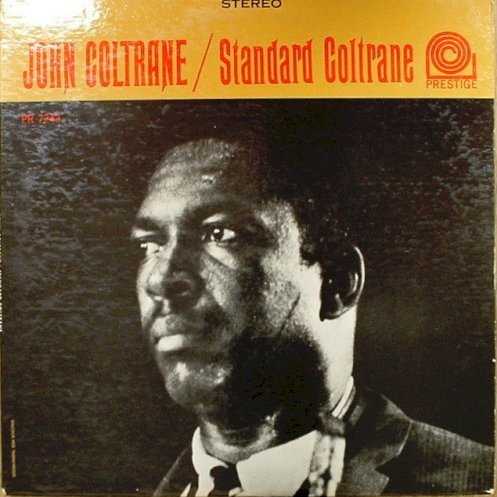 | Album: 34 of 50 Title: Standard Coltrane Released: 1964 Tracks: 4 Duration: 34:52 Scroll: Up Down Top Bottom 25% 50% 75% Spotify Allmusic Wikipedia AlbumCover | 1 Dont Take Your Love From Me (09:18) 2 Ill Get By (As Long as I Have You) (08:13) 3 Spring Is Here (06:58) 4 Invitation (10:22) |
| Standard Coltrane : Allmusic album Review : John Coltrane had yet to move into his modal post-bop phase in 1958 when he recorded a session for Prestige Records on July 11 with trumpeter/flügelhornist Wilbur Harden, pianist Red Garland, bassist Paul Chambers, and drummer Jimmy Cobb, the results of which were issued in 1962 as Standard Coltrane. His groundbreaking modal work with Miles Davis on Kind of Blue was still a few months into the future, which makes this set more historical than vital or transitional, although its pleasant enough, featuring Coltrane on several standards, including a ten-plus-minute version of "Invitation." Other Coltrane material from this 1958 Prestige era ended up on the albums Stardust (1963) and Bahia (1965), and all of it, including these four tracks, has been collected on The Stardust Session from Prestige Records, which is probably the way to go. | ||
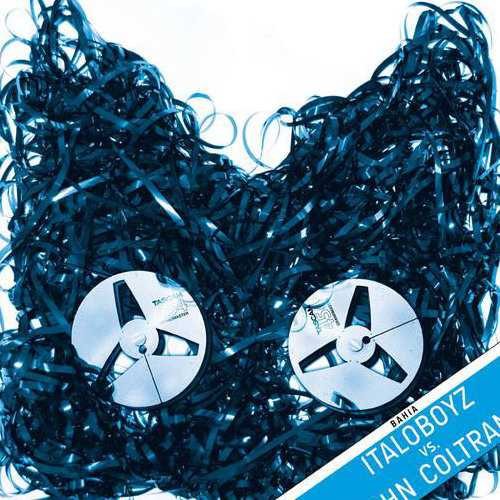 | Album: 35 of 50 Title: Bahia Released: 1964-02-13 Tracks: 5 Duration: 36:35 Scroll: Up Down Top Bottom 25% 50% 75% Spotify Allmusic Wikipedia AlbumCover | 1 Bahia (06:17) 2 Goldsboro Express (04:47) 3 My Ideal (07:37) 4 Im a Dreamer, Arent We All? (07:04) 5 Something I Dreamed Last Night (10:48) |
| Bahia : Allmusic album Review : Bahia is a steady, often very good hard-blowing and blues date featuring John Coltrane, recorded during one of his busiest periods, 1957-1958, but not released until 1965. (Coltrane cut numerous sessions during the late 50s for Prestige to satisfy a commitment to the label and move to Atlantic; some of these were packaged and released long after they were cut.) Most were done with the same rhythm section: pianist Red Garland, bassist Paul Chambers, and drummer Art Taylor (although Jimmy Cobb substituted for Taylor on two songs). Also featured is additional work by a pair of trumpeters: Wilbur Harden appears on "My Ideal" and "Im a Dreamer, Arent We All," while Freddie Hubbard takes over on "Something I Dreamed Last Night." | ||
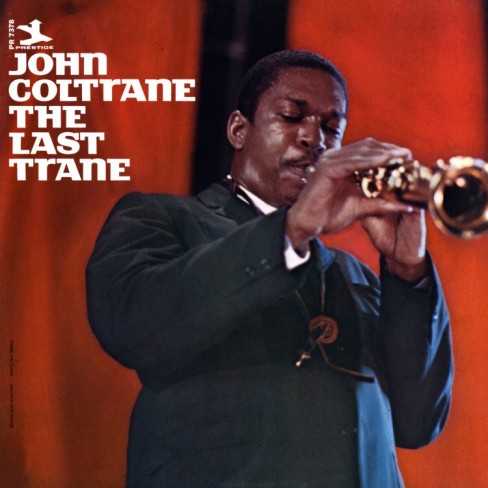 | Album: 36 of 50 Title: The Last Trane Released: 1965 Tracks: 4 Duration: 36:03 Scroll: Up Down Top Bottom 25% 50% 75% Spotify Wikipedia Allmusic AlbumCover | 1 Lover (07:58) 2 Slowtrane (07:19) 3 By the Numbers (12:01) 4 Come Rain or Come Shine (08:43) |
| The Last Trane : Allmusic album Review : Despite its title (which was due to the original LP containing the last of Prestiges John Coltrane material to be released for the first time), this album does not have Coltranes final recordings either of his career or for Prestige. These "leftovers" are generally rewarding with an alternate take of "Tranes Slo Blues" (called "Slotrane") being joined by three slightly later numbers ("Lover," "By the Numbers" and "Come Rain or Come Shine") taken from quintet sessions with trumpeter Donald Byrd, pianist Red Garland, bassist Paul Chambers and either Louis Hayes or Art Taylor on drums. Enjoyable if not essential hard bop from John Coltranes productive Prestige period. | ||
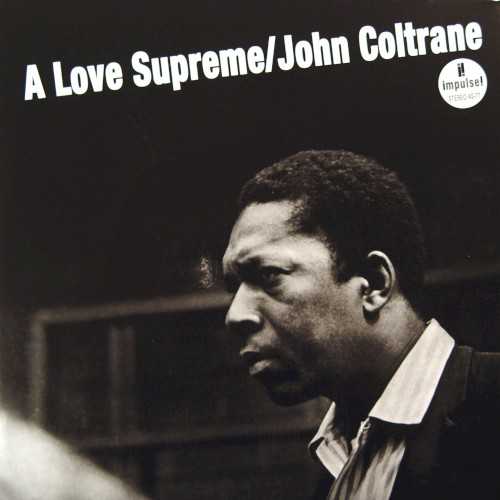 | Album: 37 of 50 Title: A Love Supreme Released: 1965 Tracks: 4 Duration: 32:57 Scroll: Up Down Top Bottom 25% 50% 75% Spotify Wikipedia Allmusic AlbumCover | 1 A Love Supreme, Part 1: Acknowledgement (07:47) 2 A Love Supreme, Part 2: Resolution (07:25) 3 A Love Supreme, Part 3: Pursuance (10:42) 4 A Love Supreme, Part 4: Psalm (07:02) |
| A Love Supreme : Allmusic album Review : One of the most important records ever made, John Coltranes A Love Supreme was his pinnacle studio outing, that at once compiled all of the innovations from his past, spoke to the current of deep spirituality that liberated him from addictions to drugs and alcohol, and glimpsed at the future innovations of his final two and a half years. Recorded over two days in December 1964, Tranes classic quartet--Elvin Jones, McCoy Tyner, and Jimmy Garrison-- stepped into the studio and created one of the most the most thought-provoking, concise, and technically pleasing albums of their bountiful relationship. From the undulatory (and classic) bassline at the intro to the last breathy notes, Trane is at the peak of his logical and emotionally varied soloing, while the rest of the group is completely atttuned to his spiritual vibe. Composed of four parts, each has a thematic progression. "Acknowledgement" is the awakening to a spiritual life from the darkness of the world; it trails off with the saxophonist chanting the suites title. "Resolution" is an amazingly beautiful, somewhat turbulent segment. It portrays the dedication required for discovery on the path toward spiritual understanding. "Pursuance" searches deeply for that experience, while "Psalm" portrays that discovery and the realization of enlightenment with humility. Although sometimes aggressive and dissonant, this isnt Coltrane at his most furious or adventurous. His recordings following this period--studio and live-- become progressively untethered and extremely spirited. A Love Supreme not only attempts but realizes the ambitious undertaking of Coltranes concept; his emotional, searching, sometimes prayerful journey is made abundantly clear. Clocking in at 33 minutes; A Love Supreme conveys much without overstatement. It is almost impossible to imagine any jazz collection without it. | ||
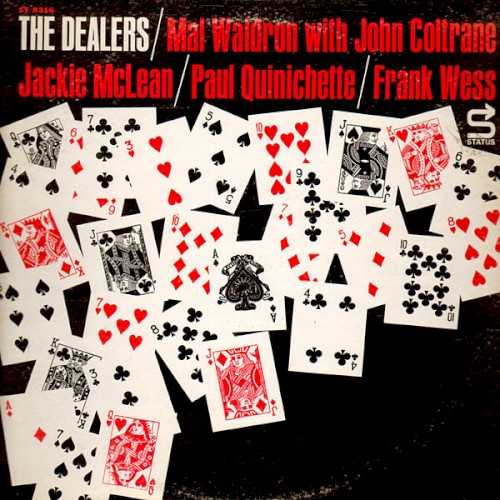 | Album: 38 of 50 Title: The Dealers Released: 1965 Tracks: 4 Duration: 00:00 Scroll: Up Down Top Bottom 25% 50% 75% AlbumCover | 1 Blue Calypso (?) 2 Falling in Love With Love (?) 3 Dealin #1 (?) 4 Wheelin #1 (?) |
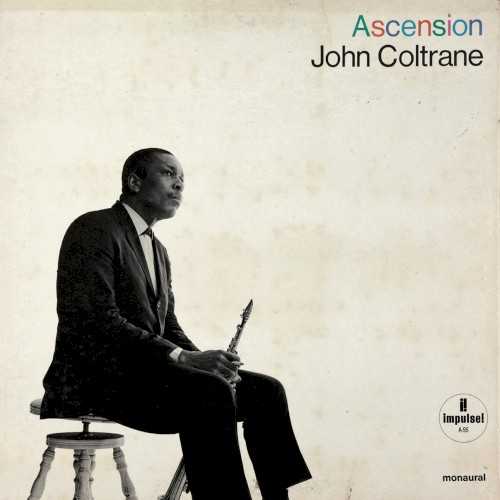 | Album: 39 of 50 Title: Ascension Released: 1965 Tracks: 2 Duration: 1:19:27 Scroll: Up Down Top Bottom 25% 50% 75% Spotify Allmusic Wikipedia AlbumCover | 1 Ascension: Edition II (40:56) 2 Ascension: Edition I (38:30) |
| Ascension : Allmusic album Review : Ascension is the single recording that placed John Coltrane firmly into the avant-garde. Whereas, prior to 1965, Coltrane could be heard playing in an avant vein with stretched-out solos, atonality, and a seemingly free design to the beat, Ascension throws most rules right out the window with complete freedom from the groove and strikingly abrasive sheets of horn interplay. Recorded with three tenors (Trane, Pharoah Sanders, Archie Shepp), two altos (Marion Brown, John Tchicai), two trumpet players (Freddie Hubbard, Dewey Johnson), two bassists (Art Davis, Jimmy Garrison), the lone McCoy Tyner on piano, and Elvin Jones on the drums, this large group is both relentless and soulful simultaneously. While there are segments where the ensemble plays discordant and abrasive skronks, these are usually segues into intriguing blues-based solos from each member. The comparison that is immediately realized is Ornette Colemans Free Jazz of five years previous. However, it should be known that Ascension certainly carries its own weight, and in a strange sense makes Colemans foray a passive adventure -- mostly due to an updated sonic quality (à la Bob Thiele) and also Tranes greater sense of passionate spiritualism. Timed at around 40 minutes, this can be a difficult listen at first, but with a patient ear and an appreciation for the finer things in life, the reward is a greater understanding of the personal path that the artist was on at that particular time in his development. Coltrane was always on an unceasing mission for personal expansion through the mouthpiece of his horn, but by the time of this recording he had begun to reach the level of "elder statesman" and to find other voices (Shepp, Sanders, and Marion Brown) to propel and expand his sounds and emotions. Therefore, Ascension reflects more of an event rather than just a jazz record and should be sought out by either experienced jazz appreciators or other open-minded listeners, but not by unsuspecting bystanders. | ||
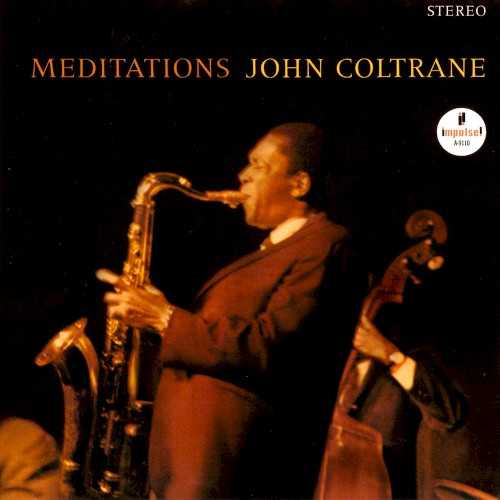 | Album: 40 of 50 Title: Meditations Released: 1966 Tracks: 5 Duration: 40:35 Scroll: Up Down Top Bottom 25% 50% 75% Spotify Allmusic Wikipedia AlbumCover | 1 The Father and the Son and the Holy Ghost (12:51) 2 Compassion (06:51) 3 Love (08:09) 4 Consequences (09:12) 5 Serenity (03:30) |
| Meditations : Allmusic album Review : The year 1965 was a turning point in the life of John Coltrane. It was at this point that he crossed the line into the free jazz arena that he had been approaching since the early 60s. Besides his landmark Ascension, no album better illustrates this than the awe-inspiring Meditations. Coltranes regular quartet -- McCoy Tyner (piano), Jimmy Garrison (bass), and Elvin Jones (drums) -- is expanded here with second drummer Rashied Ali (who assumed Jones spot after this album) and saxophonist Pharoah Sanders. This conglomeration produces some dense textures, especially in the epic first track "The Father and the Son and the Holy Ghost." This sonic hurricane is a 13-minute outpouring of spiritual emotion that is at once compelling and exhausting. Elsewhere, the group delicately follows Coltranes lead on the passionate "Love" and swings with abandon on the raucous "Consequences" as Sanders and Trane battle like warriors above the churning rhythm section. Finally, the aptly titled "Serenity" is a swirling free-form improvisation gently touching back down to earth after an adventurous ride through the heavens. | ||
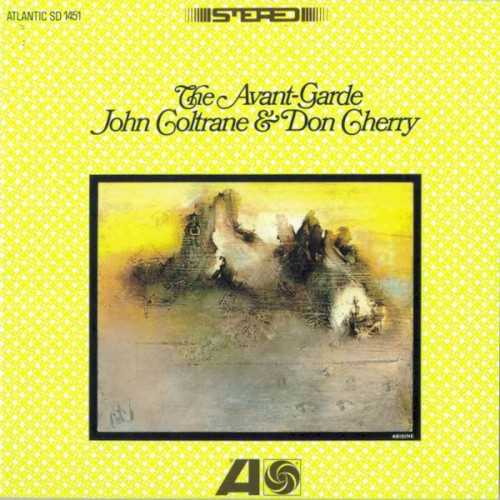 | Album: 41 of 50 Title: The Avant-Garde Released: 1966-04 Tracks: 5 Duration: 36:12 Scroll: Up Down Top Bottom 25% 50% 75% Spotify Allmusic AlbumCover | 1 Cherryco (06:49) 2 Focus on Sanity (12:15) 3 The Blessing (07:53) 4 The Invisible (04:11) 5 Bemsha Swing (05:04) |
| The Avant-Garde : Allmusic album Review : This album is rightfully co-credited to Don Cherry (trumpet), who ably trades blows with John Coltrane (tenor/soprano sax) throughout. The Avant-Garde also boasts the debut studio recording of Coltrane playing soprano sax -- on "The Blessing" -- in addition to his continuing advancements on tenor. Although these tracks were recorded during the summer of 1960, they remained shelved for nearly six years. Joining Coltrane and Cherry are essentially the rest of the members of the Ornette Coleman Quartet, Ed Blackwell (drums) and Charlie Haden (bass) on "Cherryco" and "The Blessing," as well as Percy Heath (bass) on the remaining three selections. This is fitting, as over half of the album consists of early Coleman compositions. Coltranes integration into this band works with some extraordinarily fresh results. Neither Cherry nor Coltrane makes any radical departures on this album; however, its the ability of each to complement the other both in terms of modal style and -- perhaps more importantly -- texture that lends heavily to the success of these sides. Cherrys brisk and somewhat nasal intonations on "The Blessing" mimic those of Miles Davis, albeit with shorter flourishes and heavily improvised lines. When combined with Coltranes well-placed -- if not somewhat reserved -- solos, the mutual value of both is dramatically increased. Blackwell -- the only other musician besides Cherry and Coltrane to be featured on every track -- provides some non-conventional percussive accompaniment. His contributions to "The Blessing" and workout on the aptly titled "Focus on Sanity" are primal. | ||
 | Album: 42 of 50 Title: Kulu Sé Mama Released: 1967 Tracks: 3 Duration: 34:15 Scroll: Up Down Top Bottom 25% 50% 75% Spotify Wikipedia AlbumCover | 1 Kulu Sé Mama (Juno Sé Mama) (18:56) 2 Vigil (09:52) 3 Welcome (05:26) |
 | Album: 43 of 50 Title: Om Released: 1967 Tracks: 2 Duration: 29:07 Scroll: Up Down Top Bottom 25% 50% 75% Spotify TrackSamples Allmusic Wikipedia AlbumCover | 1 Om, Part 1 (15:07) 2 Om, Part 2 (14:00) |
| Om : Allmusic album Review : Condemned by many critics as John Coltranes worst album, Om suffers only in comparison to the great works that preceded it. Also issued in 1965, Ascension had stunned the jazz world with the blunt force of its innovation -- a swirling maelstrom of noise, it was an answer to the challenge that had been posed by Ornette Colemans Free Jazz several years earlier. For all the sonic assault that Pharoah Sanders and Coltrane mustered up on Ascension, however, it contained some surprisingly clear solos and had the feel of a well-thought-out interplay between all of the musicians on the date, including classic quartet members Elvin Jones, Jimmy Garrison, and McCoy Tyner. Om, in contrast, seems more like a pure release of energy. Expressions of sanity and organization by the rhythm section seem detached from the wall of sound that Sanders and Coltrane have erected. The best moments come when Coltrane breaks away from Sanders for solos -- echoes of Love Supreme can be heard in the repetitive, circular themes. Regardless of its seeming chaos, this is a deeply spiritual work, and can be seen as a darker, more unhinged version of the invocations heard on that album. Indeed, Om resonates with passion and yearning, but has a frantic edge that suggests that opening up to all of that powerful spiritual energy might have been a frightening experience. The music isnt perfect, as the thematic flow sometimes seems a bit segmented, and talented members of the band are relegated a little too far to the background (like McCoy Tyner, who nevertheless has a beautiful short solo around 13:30). Regardless, Om doesnt deserve the dismissal it has been given by critics. It is an important work in the history of free jazz that opens up considerably by the end of its 29 minutes, revealing the expansive contents of a jazz masters mind. | ||
 | Album: 44 of 50 Title: Expression Released: 1967 Tracks: 4 Duration: 39:15 Scroll: Up Down Top Bottom 25% 50% 75% Spotify Allmusic Wikipedia AlbumCover | 1 Ogunde (03:40) 2 To Be (16:21) 3 Offering (08:23) 4 Expression (10:50) |
| Expression : Allmusic album Review : Recorded at two sessions in early 1967, Expression represents John Coltranes final recording sessions just months before his death. A varied and searching record, Coltrane shares space with fellow universal travelers Pharoah Sanders, Jimmy Garrison, Rashied Ali, and wife Alice Coltrane. This band, working hard during the time leading up to Coltranes demise, was performing in the most spiritually reaching territory Coltrane would aspire to. This is evidenced by the burning tenor/drum duet section of "Offering," perhaps the highlight of these sessions. Coltrane and Ali spiral into the far reaches here with a boundless energy that somehow remains controlled and restrained even in its rawest moments. The group succeeds in lifting the piece up to its highest peak and then setting it back down in a way so organic it feels almost ordained by a mass mind. The track, like all Coltrane at his best, becomes a guided meditation. The 16-minute vamp of "To Be" is perhaps the most quizzical and interesting piece here, finding Trane on flute, an instrument that he never gave much air time to on previous sessions. Coltrane trades gentle, lilting runs with Sanders sometimes distant, sometimes atonal piccolo flute, stretching out into discordant waters somewhere in the middle of this lingering piece. Bedded by Alice Coltranes brightly mystical piano clouds, the track would sound more at home on one of her solo albums than her husbands, but denotes their mingling inspirations. At the time these sessions were put to tape, Coltrane had been silently suffering from undiagnosed liver cancer for some while. His death was a shock to many in the jazz community who had no idea he was even sick, let alone nearing the end. Its remarkable that Expression is not some world-weary harbinger of death and sickness, but an endlessly jubilant affair. Even in what must have been a time of tremendous pain and darkness, Coltranes single-minded quest for understanding and transcendence took him to places of new exploration and light. [Some issues of Expression include final track "Number One," a nearly 12-minute surge of raw, rolling interplay between Coltranes tenor and Sanders upper-register woodwinds.] | ||
 | Album: 45 of 50 Title: Selflessness, Featuring My Favorite Things Released: 1968 Tracks: 3 Duration: 40:32 Scroll: Up Down Top Bottom 25% 50% 75% Spotify Allmusic AlbumCover | 1 My Favorite Things (17:26) 2 I Want to Talk About You (08:17) 3 Selflessness (14:48) |
| Selflessness, Featuring My Favorite Things : Allmusic album Review : In the context of the decades since his passing and the legacy thats continued to grow, John Coltranes Selflessness album bears an odd similarity to Bob Dylans autobiographical book Chronicles. In Chronicles, Dylan tells the tale of his beginnings, jumping abruptly and confoundingly from his early years to life and work after his 1966 motorcycle accident, omitting any mention of his most popular and curious electric era. The contrast between these two eras becomes more vivid with the deletion of the years and events that bridged them. Released in 1965, Selflessness presents long-form pieces, likewise from two very distinct and separate eras of Coltranes development. The albums first two-thirds was recorded at the 1963 Newport Jazz Festival and consists of an amazingly deft rendition of Coltranes take on the Rodgers & Hammerstein classic "My Favorite Things" as well as the glowingly affectionate "I Want to Talk About You." Coltrane is backed on these numbers by the classic lineup of McCoy Tyner, Jimmy Garrison, and Roy Haynes, and the quartet absolutely crackles with the flowing joy that characterized its sound. Tyner especially sparkles in his extended spotlight moments on "My Favorite Things," arguably the best version Coltrane put to tape of this favorite. Fast forwarding two years to 1965, the 14-plus-minute extended atmospherics of "Selflessness" find Coltrane ramping up to the free-form spiritual style that he would work in for the short remainder of his life. The large ensemble on this date included Pharoah Sanders blistering tenor and Elvin Jones sputtering drums working alongside second drummer Frank Butler as well as the reverb-doused percussion sounds of Juno Lewis. The sprawling and sometimes aimless meditation comes off a little dippy as a result of the production and low-key playing, but it hints at a direction that would be fully articulated later on records like Sun Ship and the gorgeous Concert in Japan. Though the rapid changes in Coltranes playing between 1963 and 1965 are thoroughly documented on other albums, taken as a whole, the contrast on Selflessness is striking. | ||
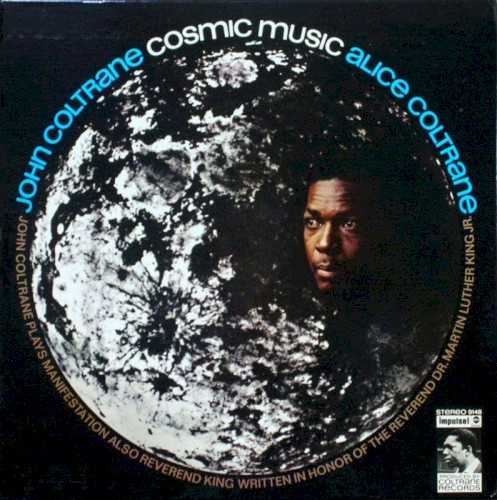 | Album: 46 of 50 Title: Cosmic Music Released: 1968 Tracks: 4 Duration: 34:15 Scroll: Up Down Top Bottom 25% 50% 75% Spotify Allmusic AlbumCover | 1 Manifestation (11:38) 2 Lord, Help Me to Be (07:31) 3 Reverend King (11:04) 4 The Sun (04:01) |
| Cosmic Music : Allmusic album Review : Emphatic, surging, and sometimes unfathomable late-period Coltrane. | ||
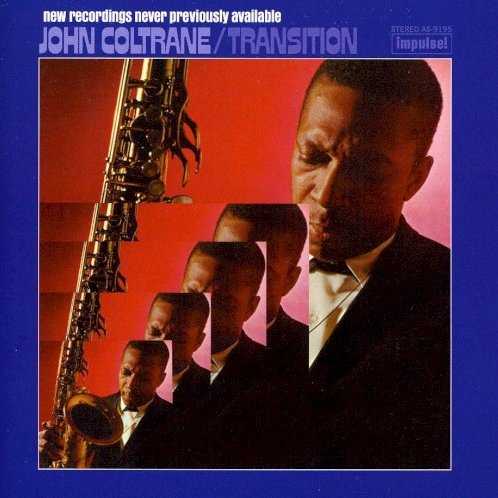 | Album: 47 of 50 Title: Transition Released: 1970-07 Tracks: 4 Duration: 51:58 Scroll: Up Down Top Bottom 25% 50% 75% Spotify Allmusic Wikipedia AlbumCover | 1 Transition (15:31) 2 Welcome (05:24) 3 Suite: Prayer and Meditation: Day / Peace and After / Prayer and Meditation: Evening / Affirmation / Prayer and Meditation: 4 A.M. (21:20) 4 Vigil (09:42) |
| Transition : Allmusic album Review : Recorded in June of 1965 and released posthumously in 1970, Transition acts as a neat perforation mark between Coltranes classic quartet and the cosmic explorations that would follow until Tranes passing in 1967. Recorded seven months after the standard-setting A Love Supreme, Transitions first half bears much in common with that groundbreaking set. Spiritually reaching and burningly intense, the quartet is playing at full steam, but still shy of the total free exploration that would follow mere months later on records like Sun Ship and the mystical atonal darkness that came in the fall of that same year with Om. McCoy Tyners gloriously roaming piano chord clusters add depth and counterpoint to Coltranes ferocious lyrical runs on the five-part suite that makes up the albums second half. In particular on "Peace and After," Tyner matches Tranes range of expression. The angelically floating "Dear Lord," a meditative pause in the albums center, holds true to the straddling of the line between modes of thinking and playing that define Transition, not quite as staid as the balladry of Tranes earlier hard bop days, but nowhere near the lucid dreaming that followed. Only nearing the end of "Vigil" does the quartet hint at the fury of complete freedom it would achieve later in the year on Sun Ship, or even more, provide a precursory look at terrain Coltrane would explore in duets with drummer Rashied Ali on Interstellar Space in 1967. [The omission of "Dear Lord” on some issues is replaced with the similarly subtle "Welcome" and still other issues include bonus album closer "Vigil"] | ||
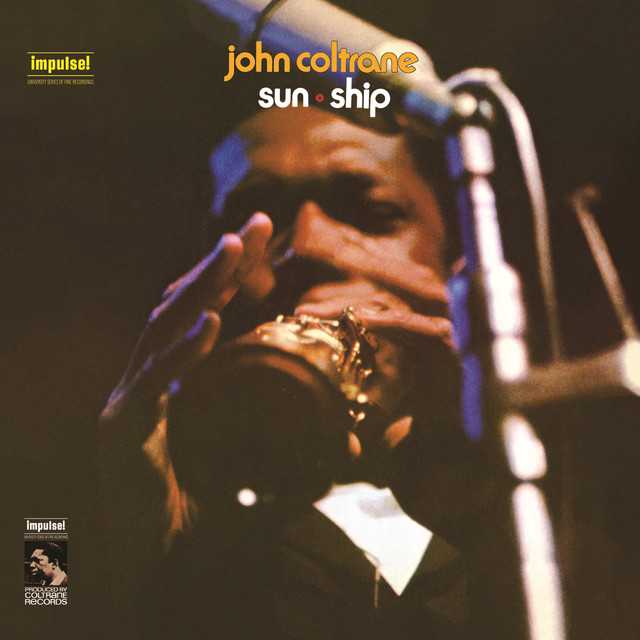 | Album: 48 of 50 Title: Sun Ship Released: 1971 Tracks: 5 Duration: 42:30 Scroll: Up Down Top Bottom 25% 50% 75% Spotify Wikipedia AlbumCover | 1 Sun Ship (06:13) 2 Dearly Beloved (06:27) 3 Amen (08:16) 4 Attaining (11:27) 5 Ascent (10:05) |
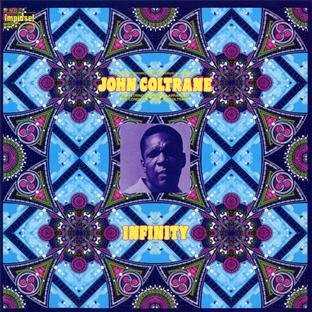 | Album: 49 of 50 Title: Infinity Released: 1972 Tracks: 4 Duration: 37:52 Scroll: Up Down Top Bottom 25% 50% 75% Spotify Wikipedia AlbumCover | 1 Peace on Earth (09:03) 2 Living Space (10:40) 3 Joy (08:01) 4 Leo (10:08) |
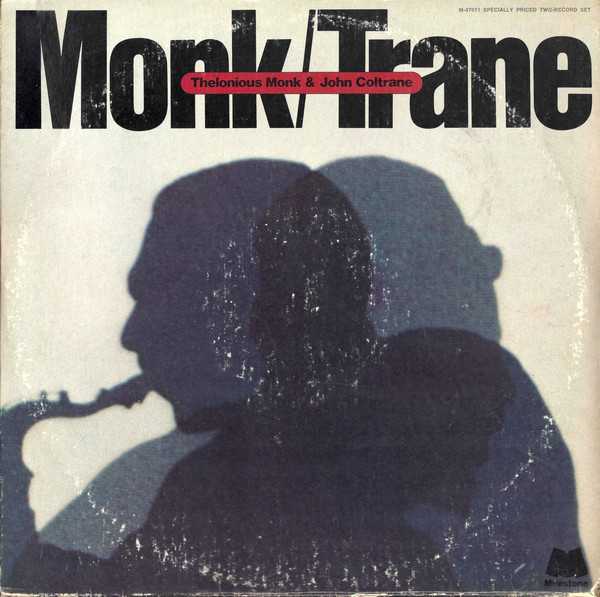 | Album: 50 of 50 Title: Monk/Trane Released: 1973 Tracks: 12 Duration: 1:20:49 Scroll: Up Down Top Bottom 25% 50% 75% AlbumCover | 1 Ruby My Dear (06:18) 2 Trinkle, Tinkle (06:38) 3 Nutty (06:36) 4 Well, You Neednt (11:26) 5 Off Minor (alternate take 4) (05:12) 6 Off Minor (master take) (05:06) 1 Epistrophy (fragment) (01:47) 2 Epistrophy (10:47) 3 Crepuscule With Nellie (04:37) 4 Abide With Me (00:54) 5 Monks Mood (07:53) 6 Blues for Tomorrow (13:33) |