Keith Jarrett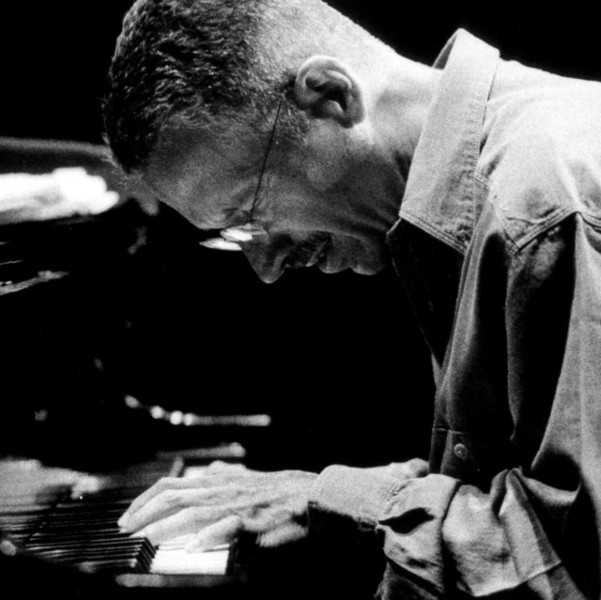 | ||
| Allmusic Biography : Pianist, composer, and bandleader Keith Jarrett is one of the most prolific, innovative, and iconoclastic musicians to emerge from the late 20th century. As a pianist (though that is by no means the only instrument he plays), he literally changed the conversation in jazz by introducing an entirely new aesthetic regarding solo improvisation in concert. Though capable of playing in a wide variety of styles from classical to folk musics, Jarrett is deeply grounded in the jazz tradition. He has recorded over 80 albums as a leader in jazz and classical music. And he has won the Down Beat Critics Poll as a pianist numerous times, including consecutively between 2001 and 2008. His 1975 solo piano album The Köln Concert is the best-selling solo album in jazz history, and the all-time best-selling piano album. Jarrett was born May 8, 1945 in Allentown, Pennsylvania. At the age of three he began playing piano. He undertook the study of classical music at age eight, and at 15 he studied formal composition before moving to Boston to study briefly at the Berklee College of Music. Still in his teens, Jarrett intended to further his academic work in Paris before deciding to move to New York in 1964 and become a jazz musician. He entered the citys vibrant scene by sitting in with veteran and aspiring players at clubs, including the Village Vanguard. His first touring gig was with Art Blakeys New Jazz Messengers, where he remained until 1966. His lone recording with that band -- which also featured trumpeter Chuck Mangione -- was Buttercorn Lady, recorded live at the Lighthouse in Hermosa Beach. Jarrett joined Charles Lloyds famed quartet in 1966. That band, which reflected the variety of changes taking place in jazz and popular music in general, achieved global success as both a recording and touring entity. He left the group in 1968 and issued his first solo recording, Restoration Ruin, on the Vortex label. He played everything on the album including soprano saxophone, harmonica, drums, and guitar in addition to piano; he even sang. The album is mainly considered a curiosity in his catalog because it wasnt a jazz album, but a folk-rock recording. Regardless of how Jarrett regards it today, it stands as a brave undertaking from a young musician and paints an interesting view of his early thoughts in lieu of what he would accomplish later. Appearing the same year, he recorded Life Between the Exit Signs for Atlantic, where he led a trio whose rhythm section consisted of bassist Charlie Haden and drummer Paul Motian. This group -- later a quartet with the addition of saxophonist Dewey Redman -- would record together for 11 years and attain the status of jazz legend for their dynamic, groundbreaking interplay and improvisation. Jarrett played organ and electric piano with Miles Davis between 1970 and 1971, which resulted in Live at the Fillmore and Live/Evil. His work with Davis would also surface on the trumpeters 1974 album, Get Up with It, and was beautifully documented on the box set Miles Davis: The Cellar Door Session 1970, which was issued in 2005. Jarrett also appeared on other artists albums during this period, including Airtos Free, psychedelic pop duo Barbara & Ernies Prelude To..., and soul singer Donal Leaces self-titled offering from 1972. Jarrett and Gary Burton issued their self-titled recording on Atlantic in 1971, the same year his trio released The Mourning of a Star. The pianist briefly signed to Columbia, releasing one enduring album for the label, Expectations, in 1972 -- an album that featured his trio with guitarist Sam Brown and drummer/percussionist Airto. The year also proved fruitful for two other reasons. The first was Facing You, Jarretts first solo piano recording for Manfred Eichers young ECM label, an association that would become symbiotic by the end of the decade. As previously mentioned, Redman joined Jarretts group in late 1971, and the first offering by the larger band was Birth, issued by Atlantic in 1972. The band also recorded for Impulse! during this time, issuing the highly regarded Fort Yawuh (1973), Treasure Island (1974), Death and the Flower and Backhand (1975), Mysteries (1976), ByaBlue (1977), and Bop-Be (1978). El Juicio (The Judgement) also appeared on Atlantic in 1975. Jarretts horizons were broadening considerably in the early 70s, and his association with ECM was deepening. While 1972 saw the release of Ruta and Daitya, a duet album with Jack DeJohnette, 1973 offered evidence of what would become iconic in the decades to come: the improvised Solo Concerts: Bremen & Lausanne. In 1975, Jarretts double-live solo piano album The Köln Concert was released; its warmth, accessibility, and immense and enduring popularity have made it the best-selling solo piano recording in jazz history. His other solo piano works for ECM include Staircase, the ten-album Sun Bear Concerts, Moth and the Flame, Concerts, Paris Concert, Dark Intervals, Vienna Concert, La Scala, Carnegie Hall Concert, and Rio. Jarrett began recording with a European group in the 70s, the second of his three groups that would become legendary. His European quartet included saxophonist Jan Garbarek, bassist Palle Danielsson, and drummer Jon Christensen; their debut, Belonging, appeared in 1974. Simultaneously, Jarrett remained busy with his American quartet and with recording experimentation. In the Light, which was released in 1974, was a double album that showcased his interest in composing modern classical music. His compositions were wide-ranging; among them were a string quartet, a brass quintet, and "Crystal Moment (Piece for Four Celli and Two Trombones)." He also recorded a pair of albums co-led with Garbarek, Luminescence (1975), where the pair was aided by an orchestral string section, and the popular Arbour Zena, which included Haden on bass as well as chamber strings. In 1976, the provocative Hymns/Spheres, a double album of improvisations played on an enormous 18th century organ in the Benedictine Abbey Ottobeuren, appeared on ECM. The pianists European quartet issued My Song in 1978, an album that brought more conservative jazz fans back to Jarretts table, especially as it was surrounded by the releases of Bop-Be and The Survivors Suite, the first of two releases by his American quartet to appear on ECM. That bands final album together, the live double album Eyes of the Heart, was released in 1979. Jarrett kicked off the 80s with Celestial Hawk: For Orchestra, Percussion and Piano, recorded at Carnegie Hall. This work wed his instinctual improvisational discipline on the piano to his formal compositional abilities in both vanguard classical music and jazz. That year, his European quartet also released the live Nude Ants -- recorded at the Village Vanguard -- and Sacred Hymns, a solo piano album of compositions by metaphysical philosopher/musician Georges Ivanovitch Gurdjieff. In 1983, Jarrett began working in a trio with bassist Gary Peacock and drummer Jack DeJohnette. It was the beginning of an association that has lasted ever since. Their initial session produced three albums: Standards, Vol. 1 and Vol. 2, and Changes (the last a set of free improvisations). Throughout the decade they alternated between recording standards and freely improvised sets, among them 1986s Standards Live and 1989s Changeless. Jarrett also cut two deeply personal albums in the 80s. In 1986, Spirits, a double album, featured him playing piano, flute, recorder, soprano saxophone, guitar, and percussion. Another double, Book of Ways from 1987, was completely performed on the clavichord. In 1988, Jarrett began recording canonical classical music. His first release was Bachs Das Wohltemperierte Klavier Buch I, followed by his Goldberg Variations the following year. But he hadnt abandoned jazz. Jarrett closed the decade with records by his European quartet in Personal Mountains, and by his American trio with Changeless, in 1989. While his first album of the 90s was the solo Paris Concert, the trio was also busy touring. They stopped briefly to record Bye Bye Blackbird in 1991 as a memorial to Miles Davis. That said, Jarrett spent most of the decades first half recording classical music. These albums included collections of Handel and Bach sonatas -- both with Michala Petri playing recorder: his award-winning Shostakovich: 24 Preludes and Fugues Op. 87 in 1992, Bachs French Suites in 1993, and the composers Bach: 3 Sonaten für Viola da Gamba und Cembalo with violist Kim Kashkashian in 1994. He also recorded W.A. Mozart Piano Concertos K. 467, 488, 595 Masonic Funeral Music K. 477 & Symphony in G Minor K. 550 with conductor Dennis Russell Davies and the Stuttgart Symphony, which remained unreleased until 2004. At the Deer Head Inn with Peacock and DeJohnette also appeared in 1994. A six-CD box set entitled Keith Jarrett at the Blue Note: The Complete Recordings, was released in 1995, documenting a three-night stand by the trio in June of 1994. While on tour with the trio in Europe during 1996, Jarrett became ill with what was diagnosed as chronic fatigue syndrome. He battled the disease -- caused by an infection from parasitic bacteria -- for three years. While he recovered, ECM issued the 1995 solo concert La Scala in 1997, as well the trio document Tokyo 96 in 1998. During his illness in 1997, Jarrett gathered his strength and recorded the intimate Melody at Night, with You, in his home studio. It is a solo piano offering of short, straightforward interpretations of standards, ballads, folk songs, and a lone original; it is the most intimate recording in his oeuvre, and unlike anything else in his catalog. The album was released in 1999, the year he had recovered enough to begin touring again with his trio. Jarretts first release of the 21st century, in fact, was Whisper Not, a collection of standards recorded on that tour. Over the next four years, the trio toured and recorded shows. ECM issued several albums from them, including standards recordings such as Up for It and The Out of Towners, as well as Inside Out and Always Let Me Go -- the latter two shows consist of freely improvised music. In 2007, My Foolish Heart: Live at Montreux appeared, commemorating the trios 25th anniversary. The stellar solo piano effort The Carnegie Hall Concert, wherein the pianist created new rules for himself as a live improviser, also appeared that year. In 2008, The Cure was released. It was a prime live standards gig by the trio from 1990 that had been sitting in the vault. In 2009, the Paris/London solo concerts appeared, followed in 2010 by a duet recording between the pianist and Haden entitled Jasmine. In 2011, the aforementioned Rio was released shortly after the concert took place -- an anomaly in Jarretts career. In 2012, ECM once more dug into its vaults and released Sleeper: Tokyo, April 16th, 1979, a previously unissued date by Jarretts European quartet. His trio recorded at the Luzern Concert Hall in July of 2009; the concert was released as Somewhere in May of 2013. In November of that year, ECM released No End, an archival home studio recording from 1986, on which he played all instruments, including piano, electric guitars, bass, tablas, recorder, and drums; it was followed in December with the complete reissue Concerts: Bregenz München, a three-disc set comprising two solo piano concerts from 1981. In June of 2014, more standards from the 2007 duet sessions with Haden that yielded Jasmine were released as Last Dance. For the occasion of the pianists 70th birthday in May of 2015, ECM released two albums simultaneously: one was an orchestral classical recording of the pianist performing Barbers Piano Concerto and Bartóks Piano Concerto No. 3 with different orchestras. The second was a solo piano offering titled Creation. Departing from his usual practice of issuing complete concert recordings, this set offered handpicked and carefully sequenced selections from Jarretts performances in Tokyo, Toronto, Rome, and Paris. He followed this release in the fall of 2016 with the four-disc box A Multitude of Angels. This set documented his final four solo performances in 1996 in the cities of Modena, Ferrara, Torino, and Genova, before he was forced into the hiatus to recover from chronic fatigue syndrome. The year 2018 saw the release of La Fenice, a double album documenting his solo piano concert at the Gran Teatro la Fenice in Venice, Italy, from July 2006. The album found the pianist channeling his inspirational flow into a suite of eight spontaneously created pieces that referenced everything from blues to vanguard dissonance. In addition, it offered readings of the traditional "My Wild Irish Rose," the standard "Stella by Starlight," and a tender new reading of the pianists own "Blossom" for encores. The release of La Fenice coincided with Jarrett making history as the first jazz musician to receive the coveted Golden Lion for Lifetime Achievement at the International Festival of Contemporary Music of the Biennale di Venezia. The award was previously presented to such contemporary composers as Luciano Berio, Pierre Boulez, György Kurtág, Sofia Gubaidulina, and Steve Reich. | ||
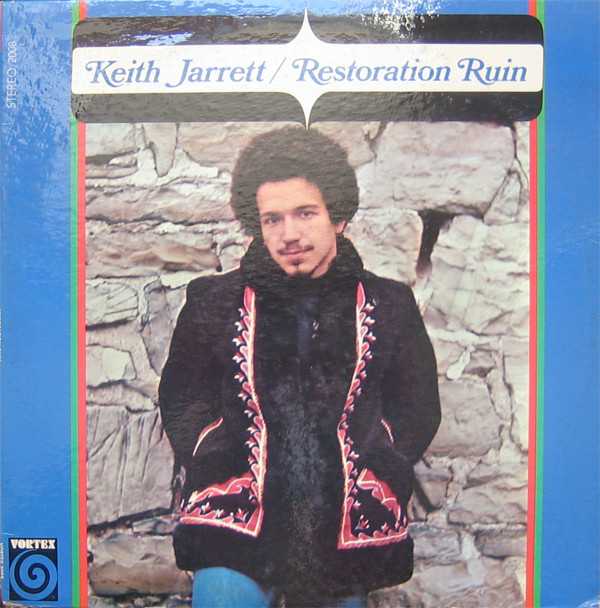 | Album: 1 of 46 Title: Restoration Ruin Released: 1968 Tracks: 10 Duration: 31:12 Scroll: Up Down Top Bottom 25% 50% 75% Spotify AlbumCover | 1 Restoration Ruin (02:24) 2 All Right (02:52) 3 For You and Me (02:44) 4 Have a Real Time (02:56) 5 Sioux City Sue New (02:54) 6 Youre Fortunate (02:25) 7 Fire and Rain (02:55) 8 Now He Knows Better (04:02) 9 Wonders (04:04) 10 Where Are You Going? (03:53) |
 | Album: 2 of 46 Title: Life Between the Exit Signs Released: 1968-04-01 Tracks: 8 Duration: 43:23 Scroll: Up Down Top Bottom 25% 50% 75% Spotify Allmusic AlbumCover | 1 Lisbon Stomp (06:06) 2 Love No. 1 (06:17) 3 Love No. 2 (04:32) 4 Everything I Love (04:33) 5 Margot (03:45) 6 Long Time Gone (But Not Withdrawn) (04:55) 7 Life Between the Exit Signs (06:53) 8 Church Dreams (06:17) |
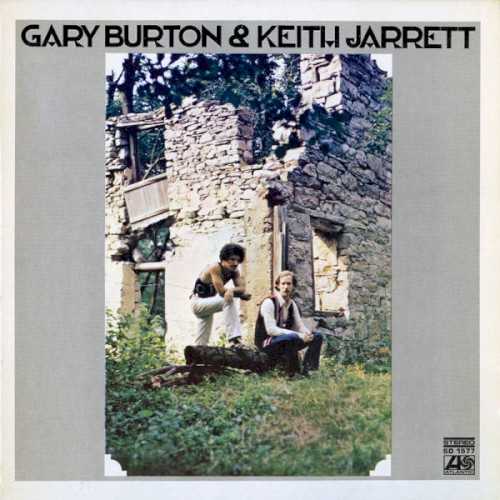 | Album: 3 of 46 Title: Gary Burton & Keith Jarret Released: 1971 Tracks: 5 Duration: 36:05 Scroll: Up Down Top Bottom 25% 50% 75% Wikipedia Allmusic AlbumCover | 1 Grow Your Own (04:54) 2 Moonchild / In Your Quiet Place (07:23) 3 Como en Vietnam (07:03) 4 Fortune Smiles (08:29) 5 The Raven Speaks (08:16) |
| Gary Burton & Keith Jarret : Allmusic album Review : This combination works. Vibraphonist Gary Burton and pianist Keith Jarrett (along with guitarist Sam Brown, bassist Steve Swallow, and drummer Bill Goodwin) play four Jarrett originals plus Steve Swallows "Como en Vietnam." Elements of pop music, rock, country, and the jazz avant-garde are used in the mixture of styles and the results are quite logical. | ||
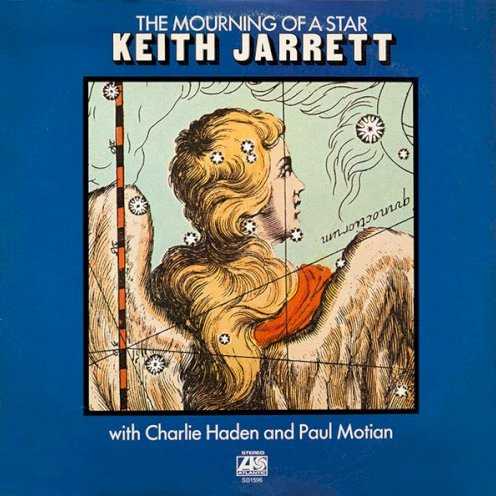 | Album: 4 of 46 Title: The Mourning of a Star Released: 1971 Tracks: 11 Duration: 44:09 Scroll: Up Down Top Bottom 25% 50% 75% Spotify Allmusic AlbumCover | 1 Follow the Crooked Path (Though It Be Longer) (06:15) 2 Interlude No. 3 (01:15) 3 Standing Outside (03:21) 4 Everything That Lives Laments (02:16) 5 Interlude No. 1 (01:40) 6 Trust (06:56) 7 All I Want (02:22) 8 Traces of You (05:08) 9 The Mourning of a Star (09:24) 10 Interlude No. 2 (00:55) 11 Sympathy (04:32) |
| The Mourning of a Star : Allmusic album Review : This album gives one an interesting look at the early Keith Jarrett, who was already performing on an album of the Charles Lloyd Quartet and Miles Davis early fusion band. He had not yet fully developed his style, but he was clearly on his way. These trio performances (with bassist Charlie Haden and drummer Paul Motian) are impressive for the period, but the best was yet to come. | ||
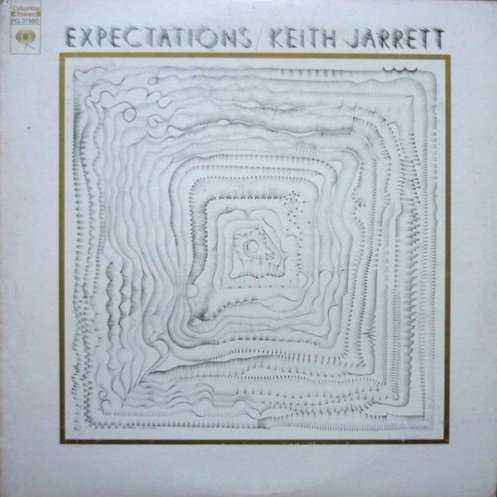 | Album: 5 of 46 Title: Expectations Released: 1972 Tracks: 11 Duration: 1:17:44 Scroll: Up Down Top Bottom 25% 50% 75% Spotify Allmusic Wikipedia AlbumCover | 1 Vision (00:50) 2 Common Mama (08:13) 3 The Magician in You (06:55) 4 Roussillion (05:25) 5 Expectations (04:28) 6 Take Me Back (09:31) 7 The Circular Letter (For J.K.) (05:04) 1 Nomads (17:21) 2 Sundance (04:29) 3 Bring Back the Time When (If) (09:52) 4 There Is a Road (Gods River) (05:32) |
| Expectations : Allmusic album Review : This was the first real indication to the world that Keith Jarrett was an ambitious, multi-talented threat to be reckoned with, an explosion of polystylistic music that sprawled over two LPs (now squeezed onto a single CD). Using his classic quartet (Dewey Redman, Charlie Haden, Paul Motian) as a base, Jarrett occasionally adds the biting rock-edged electric guitar of Sam Brown and always-intriguing percussionist Airto Moreira, and indulges in some pleasant string and brass arrangements of his own, along with some grinding organ smears and acceptable soprano sax. Jarrett again turns his early rampant eclecticism loose -- from earthy gospel-tinged soul-jazz to the freewheeling atonal avant-garde -- yet this time he does it with an exuberance and expansiveness that puts his previous solo work in the shade. "Common Mama," a spicy Latin workout with brass punctuations, "Take Me Back," driving soul jazz with streaks of electric jazz-rock, and the lengthy, nearly free "Nomads" are the most invigorating tracks. | ||
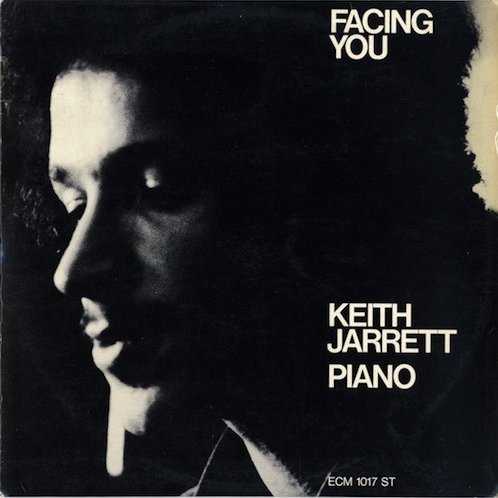 | Album: 6 of 46 Title: Facing You Released: 1972 Tracks: 8 Duration: 47:37 Scroll: Up Down Top Bottom 25% 50% 75% Spotify Allmusic AlbumCover | 1 In Front (10:09) 2 Ritooria (05:52) 3 Lalene (08:37) 4 My Lady; My Child (07:22) 5 Landscape for Future Earth (03:34) 6 Starbright (05:05) 7 Vapallia (03:55) 8 Semblence (03:00) |
| Facing You : Allmusic album Review : Facing You is one of the most important recordings in contemporary jazz for several reasons, aside from being beautifully conceived and executed by pianist Keith Jarrett. It is a hallmark recording of solo piano in any discipline, a signature piece in the early ECM label discography, a distinct departure from mainstream jazz, a breakthrough for Jarrett, and a studio prelude for his most famous solo project to follow, The Köln Concert. Often meditative, richly melodic, inventive, and introspective beyond compare, Jarrett expresses his soul in tailored tones that set standards for not only this kind of jazz, but music that would serve him and his fans in good stead onward. In this program of all originals, which sound spontaneously improvised with certain pretexts and motifs as springboards, the rhapsodic "Ritooria," 4/4 love/spirit song "Lalene," and song for family and life "My Lady; My Child" firmly establish Jarretts heartfelt and thoughtful approach. "Vapallia" cements the thematic, seemingly effortless, lighter -- but never tame -- aesthetic. "Starbright" is an easy-paced two-step tune signifying fully Jarretts personalized stance. Straddling a more jagged, angular, and free edge, the pianist evokes the influence of Paul Bley during "Semblence" (sic). But it is the opening selection, an extended ten-minute opus titled "In Front," that truly showcases Jarrett at his playful best -- a timeless, modal, direct, and bright delight. A remarkable effort that reveals more and more with each listen, this recording has stood the test of time, and is unquestionably a Top Three recording in Keith Jarretts long and storied career. | ||
 | Album: 7 of 46 Title: Birth Released: 1972 Tracks: 6 Duration: 39:23 Scroll: Up Down Top Bottom 25% 50% 75% Spotify Allmusic AlbumCover | 1 Birth (06:13) 2 Mortgage on My Soul (Wah-Wah) (05:36) 3 Spirit (08:38) 4 Markings (00:37) 5 Forget Your Memories (And Theyll Remember You) (06:57) 6 Remorse (11:21) |
| Birth : Allmusic album Review : Pianist Keith Jarretts sessions of July 1971 resulted in three LPs and the birth of his finest group: a quartet (and sometimes quintet) with tenor saxophonist Dewey Redman, bassist Charlie Haden, and drummer Paul Motian. This particular album has some eccentric moments, with Jarrett switching to soprano on the effective "Mortgage on My Soul" and making appearances on steel drum, recorder, and banjo (in addition to piano) on two adventurous pieces. Redman is featured on Chinese musette during "Spirit" (which has Haden on conga and steel drums) and also plays some clarinet in addition to his usual tenor. Not everything works, and there are some wandering moments, but the music always holds ones interest; one can easily see the potential that would soon be realized by this intriguing ensemble. | ||
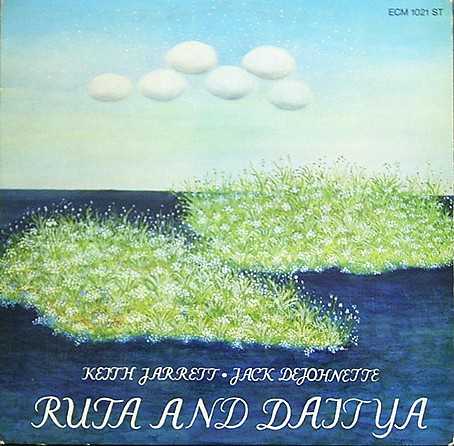 | Album: 8 of 46 Title: Ruta and Daitya Released: 1972-03 Tracks: 7 Duration: 41:21 Scroll: Up Down Top Bottom 25% 50% 75% Spotify Allmusic AlbumCover | 1 Overture Communion (06:00) 2 Ruta and Daitya (11:15) 3 All We Got (02:00) 4 Sounds of Peru (Submergence; Awakening) (06:31) 5 Algeria (05:47) 6 You Know, You Know (07:44) 7 Pastel Morning (02:04) |
| Ruta and Daitya : Allmusic album Review : Splitting his time between the electric and acoustic pianos and a bit of organ, Jarrett teams up with drummer/percussionist Jack DeJohnette in a series of experimental duets, his only electric session for ECM. The all-acoustic title number ranges all over the lot, from tootling on a bamboo (?) flute to the energizing barrelhouse gospel riffs that would bloom in the solo concerts. Tellingly, there is little in this collaboration that predicts what Jarrett and DeJohnette would do in their Standards Trio of the 80s; rather, it anticipates the exotic Third World side of Jarretts American quartet immediately in the future and adds a finishing flourish to his jazz-rock period. Indeed, the most memorably percolating playing by both musicians turns up in the electric numbers, where Jarrett utilizes the distinctively funky, wah-wah, fuzz-tone approach on electric piano that he developed with Miles Davis. As such, this is a valuable, underrated transition album that provides perhaps the last glimpse of the electric Keith Jarrett as he embarked on his notorious (and ultimately triumphant) anti-electric crusade. | ||
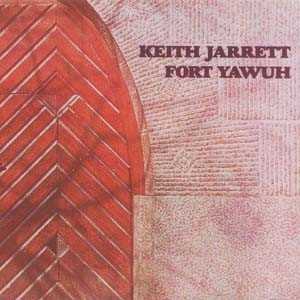 | Album: 9 of 46 Title: Fort Yawuh Released: 1973 Tracks: 5 Duration: 51:37 Scroll: Up Down Top Bottom 25% 50% 75% Spotify Allmusic AlbumCover | 1 (If the) Misfits (Wear It) (10:18) 2 Fort Yawuh (11:11) 3 De Drums (12:09) 4 Still Life, Still Life (08:35) 5 Roads Traveled, Roads Veiled (09:24) |
| Fort Yawuh : Allmusic album Review : On Fort Yawuh, Keith Jarrett is joined by Dewey Redman (tenor sax), Charlie Haden (bass), Paul Motian (drums), and Danny Johnson (percussion) to produce this set recorded live at the legendary Village Vanguard in New York City on February 24, 1973. About two minutes into "Fort Yawuh," Jarrett prepares the listener for a piano solo by announcing himself with quick and sharp keyboard jabs that evolve into spared and beautiful crescendos that before too long involve the soulful wails of Redman on the sax. The following song, "De Drums," is the one track that really swings on this album. Another long one, at 12 minutes in length, "De Drums" is much more focused on a steady and consistent rhythm that is established immediately by a smooth five-note bassline accented by the piano and shakers. Although describable as smooth and cool, this song has a palpable energy perhaps due to the construction of the bassline whose pauses give an enjoyable sense of suspense. A little more than five minutes into this song there is a thematic shift that speeds up the tempo and makes this title swing even more while involving Redmans sax and Motians drum kit. Half past the eight-minute mark the tempo settles back down to its original drawl, and the song finishes with a lazy bop that makes this the standout track on the album. Fans of Jarretts avant-garde liberalism will find "De Drums" to be the track most unlike the other four selections on this album. "Still Life, Still Life" is more like a ballad in that its very slow, but it still maintains the structural freedom featured in the "Fort Yawuh," "(If the) Mysfits (Wear It)," and "Roads Traveled, Roads Veiled." | ||
 | Album: 10 of 46 Title: Treasure Island Released: 1974 Tracks: 8 Duration: 39:33 Scroll: Up Down Top Bottom 25% 50% 75% Spotify Allmusic AlbumCover | 1 The Rich (and the Poor) (09:23) 2 Blue Streak (02:34) 3 Fullsuvollivus (Fools of All of Us) (06:28) 4 Treasure Island (04:19) 5 Introduction & Yaqui Indian Folk Song (02:17) 6 Le Mistral (04:20) 7 Angles (Without Edges) (05:44) 8 Sister Fortune (04:26) |
| Treasure Island : Allmusic album Review : Treasure Island, released in early 1974, was the second of two albums pianist and composer Keith Jarrett recorded for Impulse Records -- the first was Fort Yawuh, issued a year earlier. Cut at Generation Sound Studios in New York City, the band consisted of Jarrett on piano and soprano saxophone, Dewey Redman on tenor, bassist Charlie Haden, and drummer Paul Motian. And though he would more than likely disagree, this was the best band he ever led. In addition to the quartet, guitarist Sam Brown contributes to a pair of cuts here as Guilherme Franco and Danny Johnson add percussion to the mix. The set kicks off with the beautiful "The Rich (And the Poor)," a folkish melody of the type Jarrett was exploring on ECM at the time, with some stellar African undertones -- its easy to hear the majesty of Abdullah Ibrahims South African musical sphere in this mix, and earthy deep, sparer work by Redman and Haden. The brief "Blue Streak," by contrast, is full-on and busy with melody and interplay between Redman and Motian. More speculative group improvisation occurs on "Fullsuvollivus," which travels decidedly outside, and the title cut with Sam Jones on electric guitar in place of Redman is a lithe, elegant, midtempo ballad that showcases Jarretts truly magnificent melodic work in front of this enlarged rhythm section. The hardest groover on this set is their killer "Le Mistral," with some gorgeous interplay between Haden and Motian, and some extended solo work by Redman. "Angles (Without Edges)" is a dense construction that involves some taut counterpoint between Redman and Jarrett, even as the rhythm section tries to push them both inside toward one another -- Redman slips out of the frame a few times to excellent effect. Hadens solo is also particularly noteworthy. Brown returns on the closer "Sister Fortune," a track with almost rockist overtones. Jarrett had perhaps heard some records in his day, particularly from the Atlantic catalog, and he put that spin on this melody, which incorporates groove, repetitive and circular rhythm, and a songlike melodic structure with minimal improvisation -- though his own fills are quite stunning and deep in the pulse pocket. This is a terrific sendoff to a very fertile, creative period and begs the question as to what else may have happened had this band been able to explore their unique, fully communal sound together for more than a pair of albums. | ||
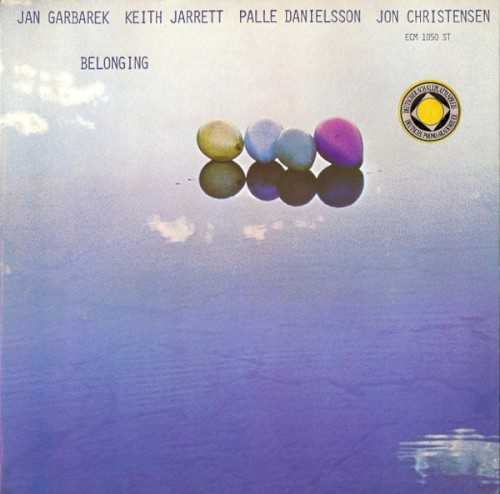 | Album: 11 of 46 Title: Belonging Released: 1974 Tracks: 6 Duration: 46:24 Scroll: Up Down Top Bottom 25% 50% 75% Spotify Allmusic AlbumCover | 1 Spiral Dance (04:08) 2 Blossom (12:16) 3 Long as You Know Youre Living Yours (06:12) 4 Belonging (02:12) 5 The Windup (08:24) 6 Solstice (13:12) |
| Belonging : Allmusic album Review : On Keith Jarretts first recording with his "European" quartet -- Jan Garbarek (sax), Palle Danielsson (bass), Jon Christensen (drums) -- he stakes out somewhat less abrasive territory than that which his "American" foursome was exploring at this time. Garbarek sports a neutral, vibratoless tone that occasionally reaches an emotional climax; the rhythm section is supportive and just loose enough. The record operates at its strongest level when Jarrett locks the quartet into his winning gospel mode on "Long as You Know Youre Living Yours" and the tense drive of "Spiral Dance"; the reflective numbers are less compelling. Still, this LP-turned-CD successfully bucked the powerful electric trends of its time and holds up well today. | ||
 | Album: 12 of 46 Title: In the Light Released: 1974 Tracks: 8 Duration: 1:31:08 Scroll: Up Down Top Bottom 25% 50% 75% Spotify Allmusic AlbumCover | 1 Metamorphosis (19:23) 2 Fugato for Harpsichord (05:29) 3 Brass Quintet (20:53) 1 A Pagan Hymn (07:31) 2 String Quartet (16:41) 3 Short Piece for Guitar and Strings (03:56) 4 Crystal Moment (04:58) 5 In the Cave, in the Light (12:17) |
| In the Light : Allmusic album Review : Even before his solo concerts became popular successes, Keith Jarrett was clearly getting a free hand from ECM founder Manfred Eicher, as this ambitious double album of classical compositions proves. In this compendium of eight works for all kinds of ensembles, the then-28-year old Jarrett adamantly refuses to be classified, flitting back and forth through the centuries from the baroque to contemporary dissonance, from exuberant counterpoint for brass quintet to homophonic writing for a string section. Though the content is uneven in quality, Jarrett is clearly sincere and skilled enough to exploit his European roots with only a handful of syncopated references to his jazz work. The strongest, most moving individual pieces are the strange, gong-haunted "In the Cave, In the Light" (the probable source of the title of Jarretts publishing company, Cavelight); "Metamorphosis," with its rich, flowing string lines, prominent solo flute, and free journeys in and out of tonality; and the Bartok-streaked String Quartet. Jarrett himself plays formal solo piano in the eclectic "Fughata" and "A Pagan Hymn," and even conducts the Stuttgart Radio Symphony strings. All of it is richly recorded in the ECM way, making four strings sound like twelve. | ||
 | Album: 13 of 46 Title: Backhand Released: 1974 Tracks: 4 Duration: 39:44 Scroll: Up Down Top Bottom 25% 50% 75% Allmusic AlbumCover | 1 In Flight (09:07) 2 Kuum (11:40) 3 Vapallia (07:49) 4 Backhand (11:08) |
| Backhand : Allmusic album Review : Recorded at the same sessions as Death and the Flower, this out-of-print LP, whose music has not yet been reissued on CD, features pianist Keith Jarretts exciting but underrated American group of the 1970s, a quintet with tenor saxophonist Dewey Redman, bassist Charlie Haden, drummer Paul Motian and percussionist Guilherme Franco. The group (with Jarrett occasionally switching to flute and Redman to the bizarre-sounding musette) is in typically exploratory, yet often melodic form on lengthy renditions of four of Jarretts inside/outside originals. | ||
 | Album: 14 of 46 Title: Death and the Flower Released: 1975 Tracks: 3 Duration: 41:42 Scroll: Up Down Top Bottom 25% 50% 75% Spotify Allmusic AlbumCover | 1 Death and the Flower (22:49) 2 Prayer (10:11) 3 Great Bird (08:41) |
| Death and the Flower : Allmusic album Review : This set by the Keith Jarrett Quintet (with the leader on piano, soprano and flute, tenor-saxophonist Dewey Redman, bassist Charlie Haden, drummer Paul Motian and percussionist Guilherme Franco) contains three of Jarretts originals. The main selection, the 21-minute "Death and the Flower," develops logically from atmospheric sounds to intense group improvising and back again; it is the main reason to acquire this CD. | ||
 | Album: 15 of 46 Title: El Juicio (The Judgement) Released: 1975 Tracks: 7 Duration: 39:09 Scroll: Up Down Top Bottom 25% 50% 75% Allmusic AlbumCover | 1 Gypsy Moth (08:18) 2 Toll Road (05:44) 3 Pardon My Rags (02:43) 4 Pre-Judgement Atmosphere (02:35) 5 El Juicio (10:22) 6 Piece for Ornette (long version) (09:16) 7 Piece for Ornette (short version) (00:11) |
 | Album: 16 of 46 Title: Luminessence Released: 1975 Tracks: 3 Duration: 35:45 Scroll: Up Down Top Bottom 25% 50% 75% Spotify AlbumCover | 1 Numinor (13:54) 2 Windsong (06:34) 3 Luminessence (15:16) |
 | Album: 17 of 46 Title: Hymns / Spheres Released: 1976 Tracks: 11 Duration: 1:33:07 Scroll: Up Down Top Bottom 25% 50% 75% Spotify Allmusic AlbumCover | 1 Hymn of Remembrance (04:06) 2 Spheres (1st Movement) (07:42) 3 Spheres (2nd Movement) (12:58) 4 Spheres (3rd Movement) (10:16) 5 Spheres (4th Movement) (12:21) 1 Spheres (5th Movement) (04:35) 2 Spheres (6th Movement) (11:26) 3 Spheres (7th Movement) (08:13) 4 Spheres (8th Movement) (05:20) 5 Spheres (9th Movement) (12:06) 6 Hymn of Release (04:04) |
| Hymns / Spheres : Allmusic album Review : Restlessly searching out new territory for improvisations, Keith Jarrett tackles the massive Karl Joseph Riepp "Trinity" Baroque pipe organ at the Benedictine Abbey in Ottobeuren, Germany. He starts out with a pastoral "Hymn of Remembrance," then embarks upon a long nine-movement series of "Spheres" before closing with a grand "Hymn of Release." The devotee of Jarretts piano will quickly discover that his organ idiom has nothing to do with his piano performances; he likes slow-moving, pulseless, sometimes dissonant, sometimes reverent or ecstatic smears of sound (which makes practical sense in the hugely reverberant churches where pipe organs are found). In the ninth movement, Jarrett can fool you into thinking that he is playing floating electronic space music (on an 18th-century organ!). Yet if one must apply a category, despite the improvisatory element, this double-LP is contemporary classical organ music, much closer to that of Olivier Messiaen than anything in the jazz world -- and only intermittently as striking. | ||
 | Album: 18 of 46 Title: Arbour Zena Released: 1976 Tracks: 3 Duration: 53:00 Scroll: Up Down Top Bottom 25% 50% 75% Spotify Allmusic AlbumCover | 1 Runes (Dedicated to the Unknown) (15:24) 2 Solara March (Dedicated to Pablo Casals and the Sun) (09:48) 3 Mirrors (Dedicated to My Teachers) (27:47) |
| Arbour Zena : Allmusic album Review : With saxophonist Jan Garbarek and bassist Charlie Haden along for the ride, Keith Jarrett indulges in three slow, rambling, meditative, vaguely neo-classical concertos for piano and string orchestra. While a few of Jarretts and Garbareks passages here and there have a syncopated jazz feeling, this is mostly contemporary classical music, perhaps even somewhat ahead of its time (it might fit in with the neo-Romantic and minimalist camps today). However, although this music can be attractive in small doses, the lack of tempo or texture contrasts over long stretches of time -- particularly the nearly 28-minute "Mirrors" -- can be annoying if youre not in the right blissful mood. Mladen Gutesha and the Stuttgart Radio Symphony Orchestra perform the string parts with what can only be described as commendable patience. | ||
 | Album: 19 of 46 Title: Shades Released: 1976 Tracks: 4 Duration: 33:49 Scroll: Up Down Top Bottom 25% 50% 75% Spotify Allmusic Wikipedia AlbumCover | 1 Shades of Jazz (09:54) 2 Southern Smiles (07:53) 3 Rose Petals (08:57) 4 Diatribe (07:05) |
| Shades : Allmusic album Review : Pianist Keith Jarretts mid-70s quintet was the strongest regular group that he ever led and all of its recordings (even some that ramble a bit) are worth picking up. Thanks to its strong start, Shades is one of this units most rewarding recordings. "Shades of Jazz" has a memorable melody and logical (if unpredictable) improvisations by Jarrett and tenor-saxophonist Dewey Redman. The momentum slows down a bit with the gospellish "Southern Smiles" and "Rose Petals" but picks up again with the final number, the rather intense "Diatribe," an excellent vehicle for this classic group. Throughout, bassist Charlie Haden, drummer Paul Motian and percussionist Guilherme Franco keep the bands juices flowing. | ||
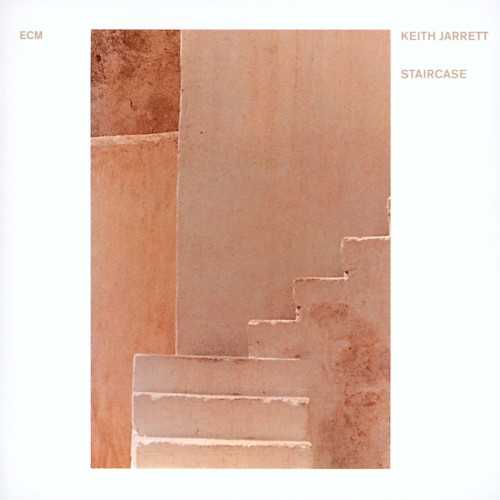 | Album: 20 of 46 Title: Staircase Released: 1977 Tracks: 11 Duration: 1:14:19 Scroll: Up Down Top Bottom 25% 50% 75% Spotify Allmusic AlbumCover | 1 Staircase, Part I (06:56) 2 Staircase, Part II (07:58) 3 Staircase, Part III (01:25) 4 Hourglass, Part I (04:42) 5 Hourglass, Part II (13:51) 1 Sundial, Part I (08:58) 2 Sundial, Part II (04:55) 3 Sundial, Part III (06:27) 4 Sand, Part I (06:54) 5 Sand, Part II (08:48) 6 Sand, Part III (03:21) |
| Staircase : Allmusic album Review : The fourth of Keith Jarretts solo piano albums turns inward, away from the funky, pulsating melodic inventions of its predecessors toward a more reflective, scattered, never-despairing romanticism well removed from the pulse of jazz. As such, it is paradoxically his weakest solo piano album of the 70s and also the most influential, for here is the blueprint for sensitive meandering that the New Age piano crowd took off upon in the 1980s. A studio session, Staircase is actually only one of four separately titled improvisations on this double album (now on one CD) -- the others are "Hourglass," "Sundial" and "Sand" -- but their overall moods of repose are so similar that it hardly matters what they are called. One can always admire Jarretts lovely tone and flexible touch, yet when he gets stuck for ideas, the repetitions finally begin to grate. Maybe he really needs the stimulus of a live audience in order to get the creative and rhythmic juices flowing when flying solo. | ||
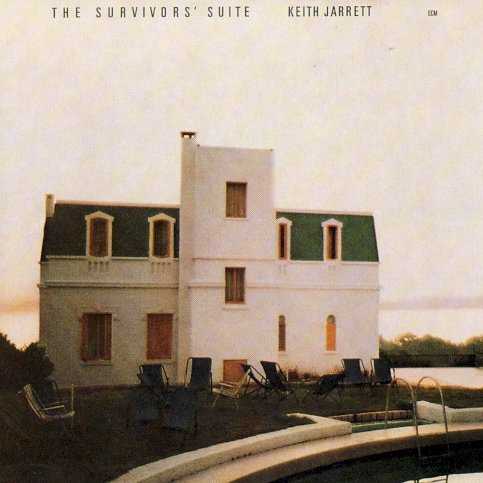 | Album: 21 of 46 Title: The Survivors Suite Released: 1977 Tracks: 2 Duration: 48:38 Scroll: Up Down Top Bottom 25% 50% 75% Spotify TrackSamples Allmusic AlbumCover | 1 Beginning (27:20) 2 Conclusion (21:18) |
| The Survivors' Suite : Allmusic album Review : One of the best recordings for Keith Jarretts mid-70s American quartet (whose style differed sharply from its European doppelgänger), The Survivors Suite opens with Jarretts aching, breathy sigh on the bass recorder, evoking the sound of a horn somewhere across a great expanse of fog. Percussion soon punctuates the melodic line to give the opening a more spiritual, ritualistic feel, which is only the first of many mutations that this album will go through. Divided into two parts, entitled "Beginning" and "Conclusion," this suite effortlessly flows between its movements which range from fiery free jazz to open, meditative atmospheric pieces showing heavy input from indigenous musics to instrumental solos that owe a sylistic debt to the music of the previous decade. Jarrett has strong solos in both the first and second track, but his performances rise to the surface frequently to add warmth to the suite. The greatest contribution that he makes on this album, however, is as a composer, as its complex components seem to nestle together seamlessly again and again, even if the solos occasionally rapidly expand and contract with kinetic energy. As strong a hand as Jarrett has in this album, however, he definitely owes a debt to his supporting players, especially the passionate Dewey Redman and skilled Paul Motian, but Charlie Haden plays an important role in the execution of the suite as well, even if only to provide a skeleton to hang the more fluid elements on. Like other albums of its time, this was beginning to show the brightness, lightness, and soft edges of contemporary jazz, but the solidness of Hadens bass helps keep it rooted and earthbound. | ||
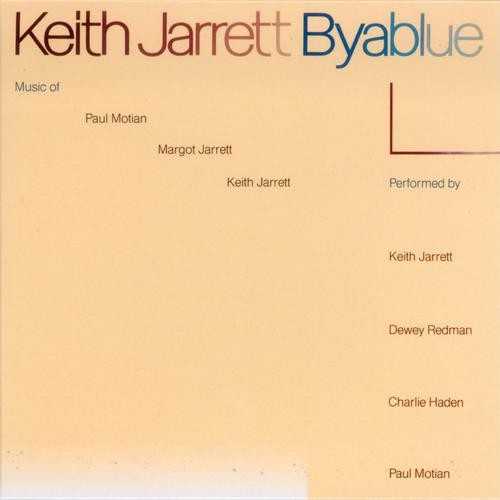 | Album: 22 of 46 Title: Byablue Released: 1977 Tracks: 7 Duration: 42:22 Scroll: Up Down Top Bottom 25% 50% 75% Spotify Allmusic AlbumCover | 1 Byablue (07:22) 2 Konya (03:22) 3 Rainbow (08:34) 4 Trieste (09:39) 5 Fantasm (01:13) 6 Yahllah (08:29) 7 Byablue (03:40) |
| Byablue : Allmusic album Review : Amid rumored tension within the band, Keith Jarretts American Quartet met for one last marathon recording date before disbanding, and Impulse made the most of it by spreading the music out over two separate releases. From the evidence of this the band certainly doesnt sound as if it was ready to break up; the interplay is telepathic, the musical ideas are still fresh, and there is a willingness to experiment. "Rainbow," credited to Margot Jarrett, is top-flight lyrical Keith, while "Trieste" evokes the mood and some of the language of the spiritual Coltrane. There is adventure, too; with Dewey Redman and Jarrett wailing on tenor and soprano respectively, "Konya" sounds almost like a muezzin call to prayer, and "Yahllah" is a rare, brave, moving merger of jazz and the Middle East. Highly recommended. | ||
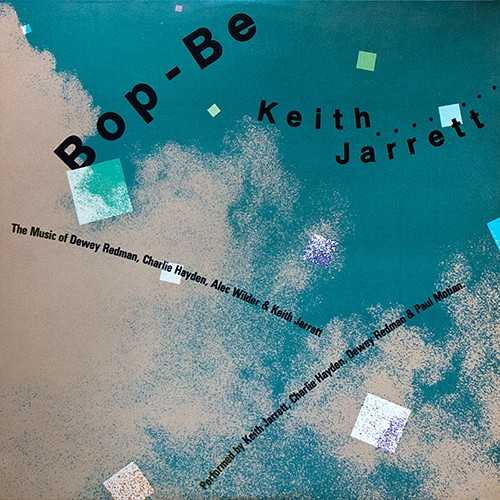 | Album: 23 of 46 Title: Bop-Be Released: 1978 Tracks: 7 Duration: 39:31 Scroll: Up Down Top Bottom 25% 50% 75% Spotify Allmusic AlbumCover | 1 Mushi Mushi (06:03) 2 Silence (03:17) 3 Bop-Be (06:59) 4 Pyramid Moving (03:41) 5 Gotta Get Some Sleep (10:36) 6 Blackberry Winter (03:38) 7 Pocketful of Cherry (05:17) |
| Bop-Be : Allmusic album Review : Here is another LP helping from the Keith Jarrett "American" Quartets last recording session -- one that is almost as consistent in quality as its predecessor. The happy-go-lucky groove of the title track perfectly expresses its name, with Jarrett blithely singing along; both Dewey Redman and Charlie Haden get plenty of solo space on Redmans "Gotta Get Some Sleep" and Hadens "Pocket Full of Cherry" (a pun referring to Haden cohort Don Cherry); and Paul Motian remains a marvelously flexible drummer. Moreover, there is another fascinating swatch of Middle Eastern experimentation on "Pyramids Moving." | ||
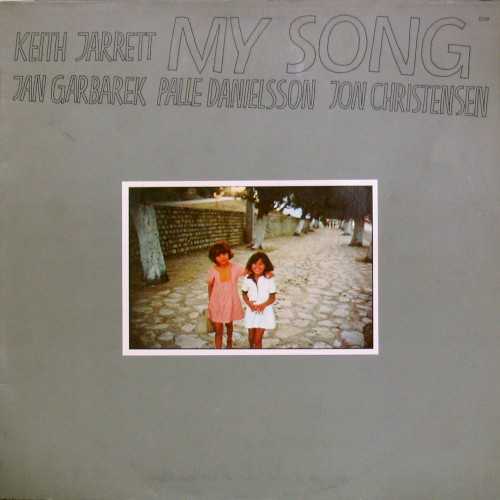 | Album: 24 of 46 Title: My Song Released: 1978 Tracks: 6 Duration: 48:30 Scroll: Up Down Top Bottom 25% 50% 75% Spotify Allmusic AlbumCover | 1 Questar (09:12) 2 My Song (06:11) 3 Tabarka (09:13) 4 Country (05:00) 5 Mandala (08:19) 6 The Journey Home (10:33) |
| My Song : Allmusic album Review : In addition to his solo piano concerts and the American group he led that featured tenor saxophonist Dewey Redman, Keith Jarrett was also busy in the mid-70s with his European band, a quartet comprised of Jan Garbarek on tenor and soprano, bassist Palle Danielsson, and drummer Jon Christensen. Due to the popularity of the haunting "My Song," this album is the best known of the Jarrett-Garbarek collaborations and it actually is their most rewarding meeting on record. Jarrett contributed all six compositions and the results are relaxed and introspective yet full of inner tension. | ||
 | Album: 25 of 46 Title: The Celestial Hawk Released: 1980 Tracks: 3 Duration: 39:55 Scroll: Up Down Top Bottom 25% 50% 75% Spotify Allmusic AlbumCover | 1 The Celestial Hawk: 1st Movement (18:15) 2 The Celestial Hawk: 2nd Movement (07:06) 3 The Celestial Hawk: 3rd Movement (14:33) |
 | Album: 26 of 46 Title: Sacred Hymns Released: 1980-03 Tracks: 15 Duration: 52:53 Scroll: Up Down Top Bottom 25% 50% 75% AlbumCover | 1 Reading of Sacred Books (08:19) 2 Prayer and Despair (03:52) 3 Religious Ceremony (04:09) 4 Hymn (02:46) 5 Orthodox Hymn From Asia Minor (03:06) 6 Hymn for Good Friday (01:37) 7 Hymn (02:32) 8 Hymn for Easter Thursday (03:28) 9 Hymn to the Endless Creator (02:05) 10 Hymn from a Great Temple (04:31) 11 The Story of the Resurrection of Christ (01:38) 12 Holy Affirming - Holy Denying - Holy Reconciling (04:15) 13 Easter Night Procession (02:56) 14 Easter Hymn (05:50) 15 Meditation (01:40) |
 | Album: 27 of 46 Title: Water Music Suite / Music for Royal Fireworks Released: 1981 Tracks: 6 Duration: 58:46 Scroll: Up Down Top Bottom 25% 50% 75% AlbumCover | 1 Water Music: Horn Suite in F Major (38:00) 2 Musick for the Royal Fireworks: I. Ouverture (09:24) 3 Musick for the Royal Fireworks: II. Bouree (02:19) 4 Musick for the Royal Fireworks: III. La Paix (03:21) 5 Musick for the Royal Fireworks: IV. La Réjouissance (02:15) 6 Musick for the Royal Fireworks: V. Menuet I & II (03:24) |
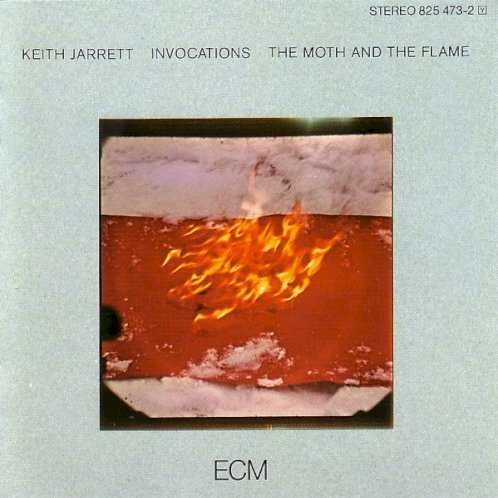 | Album: 28 of 46 Title: Invocations / The Moth and the Flame Released: 1981 Tracks: 12 Duration: 1:22:18 Scroll: Up Down Top Bottom 25% 50% 75% Spotify Allmusic AlbumCover | 1 First (Solo Voice) (05:25) 2 Second (Mirages, Realities) (09:03) 3 Third (Power, Resolve) (07:36) 4 Fourth (Shock, Scatter) (06:53) 5 Fifth (Recognition) (05:08) 6 Sixth (Celebration) (05:37) 7 Seventh (Solo Voice) (03:04) 1 Part I (07:10) 2 Part II (05:46) 3 Part III (08:32) 4 Part IV (08:17) 5 Part V (09:41) |
| Invocations / The Moth and the Flame : Allmusic album Review : If this schizophrenic double-disc set didnt throw Keith Jarretts most devoted fans for a loop, nothing ever will. Here we have two radically disparate works involving different timbres, attacks, and mindsets, both within themselves and with each other. On "Invocations," a seven-movement suite, Jarrett returns to the massive pipe organ in Ottobeuren, Germany for a series of sometimes wildly contrasting episodes, ranging from peaceful contemplation to a fourth movement (subtitled "Shock, Scatter") that borders on the comical (people tend to forget that for all of his pretensions, Jarrett does have a sense of humor). Entranced by the abbeys long, long decay time, he brackets the organ movements with some solo meditations on the soprano sax which, pardon the witticism, echo those of Paul Horn. "The Moth and the Flame" finds Jarrett back in a studio with a grand piano, improvising musical still-lifes, rambling aimlessly, or doing his rollicking E-flat ostinato thing familiar from the solo concerts. About all that these two pieces share, with the exception of the E-flat movement from "Moth," is an aversion to a jazz pulse, so although there are plenty of rewarding passages here, casual Jarrett browsers are hereby warned. | ||
 | Album: 29 of 46 Title: Spheres Released: 1985 Tracks: 4 Duration: 40:22 Scroll: Up Down Top Bottom 25% 50% 75% Spotify Allmusic Wikipedia AlbumCover | 1 Spheres (1st Movement) (07:42) 2 Spheres (4th Movement) (12:21) 3 Spheres (7th Movement) (08:13) 4 Spheres (9th Movement) (12:06) |
| Spheres : Allmusic album Review : 1988 reissue of 1976 date thats among his worst. | ||
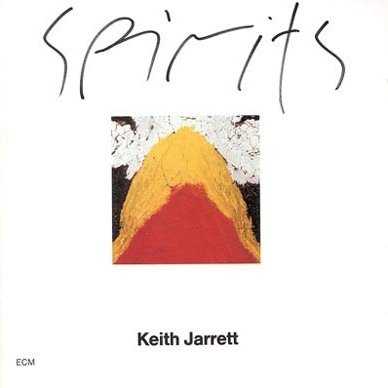 | Album: 30 of 46 Title: Spirits Released: 1986 Tracks: 26 Duration: 1:50:11 Scroll: Up Down Top Bottom 25% 50% 75% Spotify AlbumCover | 1 Spirits 1 (05:07) 2 Spirits 2 (01:37) 3 Spirits 3 (08:04) 4 Spirits 4 (05:56) 5 Spirits 5 (04:10) 6 Spirits 6 (01:58) 7 Spirits 7 (07:09) 8 Spirits 8 (04:52) 9 Spirits 9 (05:12) 10 Spirits 10 (03:27) 11 Spirits 11 (02:36) 12 Spirits 12 (04:47) 1 Spirits 13 (05:09) 2 Spirits 14 (03:06) 3 Spirits 15 (02:26) 4 Spirits 16 (02:10) 5 Spirits 17 (02:57) 6 Spirits 18 (06:20) 7 Spirits 19 (04:50) 8 Spirits 20 (05:13) 9 Spirits 21 (04:21) 10 Spirits 22 (03:08) 11 Spirits 23 (04:04) 12 Spirits 24 (03:02) 13 Spirits 25 (02:18) 14 Spirits 26 (06:12) |
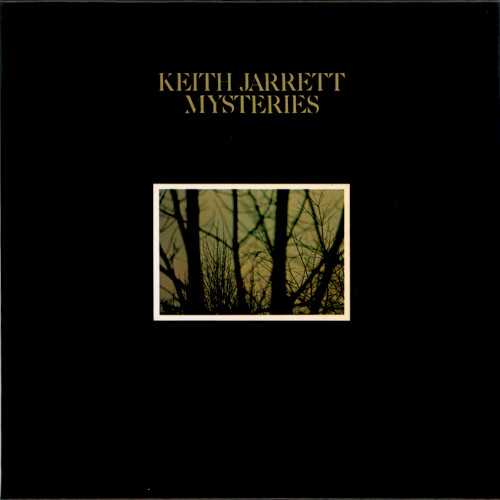 | Album: 31 of 46 Title: Mysteries Released: 1987 Tracks: 4 Duration: 42:15 Scroll: Up Down Top Bottom 25% 50% 75% Spotify Allmusic AlbumCover | 1 Rotation (11:01) 2 Everything That Lives Laments (10:03) 3 Flame (06:09) 4 Mysteries (15:02) |
| Mysteries : Allmusic album Review : Another in Impulses extensive series of Keith Jarrett Quintet recordings, this LP isnt one of the more coherent products of the run. It opens on a faltering note with the hopelessly diffuse and rambling "Rotation," and "Everything That Lives Laments" doesnt really get going until a lyrical Vince Guaraldi-like statement from Jarrett sets the track in motion. "Flame" is certainly novel, with Jarrett on Pakistani flute and Dewey Redman on Chinese musette, which combined with the percussion makes for a diverting jam. The Coltrane-ish 15-minute title track has passages of meditative beauty and others of listless torpor. For completists only. | ||
 | Album: 32 of 46 Title: Book of Ways Released: 1987 Tracks: 19 Duration: 1:41:01 Scroll: Up Down Top Bottom 25% 50% 75% Spotify Allmusic AlbumCover | 1 Book of Ways, Vol. 1: Book of Ways 1 (09:17) 2 Book of Ways, Vol. 1: Book of Ways 2 (03:46) 3 Book of Ways, Vol. 1: Book of Ways 3 (04:12) 4 Book of Ways, Vol. 1: Book of Ways 4 (05:01) 5 Book of Ways, Vol. 1: Book of Ways 5 (03:07) 6 Book of Ways, Vol. 1: Book of Ways 6 (04:16) 7 Book of Ways, Vol. 1: Book of Ways 7 (03:34) 8 Book of Ways, Vol. 1: Book of Ways 8 (05:43) 9 Book of Ways, Vol. 1: Book of Ways 9 (05:11) 10 Book of Ways, Vol. 1: Book of Ways 10 (03:36) 1 Book of Ways, Vol. 2: Book of Ways 1 (06:23) 2 Book of Ways, Vol. 2: Book of Ways 2 (04:16) 3 Book of Ways, Vol. 2: Book of Ways 3 (04:45) 4 Book of Ways, Vol. 2: Book of Ways 4 (07:18) 5 Book of Ways, Vol. 2: Book of Ways 5 (05:56) 6 Book of Ways, Vol. 2: Book of Ways 6 (07:34) 7 Book of Ways, Vol. 2: Book of Ways 7 (04:03) 8 Book of Ways, Vol. 2: Book of Ways 8 (07:24) 9 Book of Ways, Vol. 2: Book of Ways 9 (05:39) |
| Book of Ways : Allmusic album Review : Thanks in no small part to ECM founder Manfred Eichers patience and indulgence, here we have another of Keith Jarretts myriad of "special projects" -- two CDs of music recorded on a clavichord. This carries Jarretts anti-electric crusade to a real extreme, the clavichord being a keyboard from J.S. Bachs day, obsolete for over 200 years. The instrument produces a gentle pinging sound like a harpsichord crossed with a zither (the amplified Hohner Clavinet is the closest sound in our time), and Jarrett occasionally tries to stretch the instruments limited possibilities, hammering percussively on the close-miked strings. Yet for the most part, Jarrett reins in his world-class technique in order to make unpretentiously minimal music on this ancient keyboard. Some of it sounds like folk music, some like new age contemplation, there are convincing neo-baroque musings, and a few of these untitled though numbered selections kick into a higher gear. Sometimes this music is charming; a lot of the time, it gets wearisome. But hey, they also laughed when Keith started putting out massive sets of solo piano... | ||
 | Album: 33 of 46 Title: Das wohltemperierte Klavier, Buch I Released: 1988-05-03 Tracks: 48 Duration: 1:45:01 Scroll: Up Down Top Bottom 25% 50% 75% Spotify AlbumCover | 1 Das wohltemperierte Klavier, Buch I: Präludium No. 1 C-dur, BWV 846 (01:55) 2 Das wohltemperierte Klavier, Buch I: Fuge No. 1 C-dur, BWV 846 (01:45) 3 Das wohltemperierte Klavier, Buch I: Präludium No. 2 C-moll, BWV 847 (01:46) 4 Das wohltemperierte Klavier, Buch I: Fuge No. 2 C-moll, BWV 847 (01:28) 5 Das wohltemperierte Klavier, Buch I: Präludium No. 3 Cis-dur, BWV 848 (01:20) 6 Das wohltemperierte Klavier, Buch I: Fuge No. 3 Cis-dur, BWV 848 (02:13) 7 Das wohltemperierte Klavier, Buch I: Präludium No. 4 Cis-moll, BWV 849 (02:10) 8 Das wohltemperierte Klavier, Buch I: Fuge No. 4 Cis-moll, BWV 849 (04:02) 9 Das wohltemperierte Klavier, Buch I: Präludium No. 5 D-dur, BWV 850 (01:15) 10 Das wohltemperierte Klavier, Buch I: Fuge No. 5 D-dur, BWV 850 (01:37) 11 Das wohltemperierte Klavier, Buch I: Präludium No. 6 D-moll, BWV 851 (01:48) 12 Das wohltemperierte Klavier, Buch I: Fuge No. 6 D-moll, BWV 851 (01:54) 13 Das wohltemperierte Klavier, Buch I: Präludium No. 7 Es-dur, BWV 852 (04:04) 14 Das wohltemperierte Klavier, Buch I: Fuge No. 7 Es-dur, BWV 852 (01:40) 15 Das wohltemperierte Klavier, Buch I: Präludium No. 8 Dis-moll, BWV 853 (03:31) 16 Das wohltemperierte Klavier, Buch I: Fuge No. 8 Dis-moll, BWV 853 (04:49) 17 Das wohltemperierte Klavier, Buch I: Präludium No. 9 E-dur, BWV 854 (01:20) 18 Das wohltemperierte Klavier, Buch I: Fuge No. 9 E-dur, BWV 854 (01:11) 19 Das wohltemperierte Klavier, Buch I: Präludium No. 10 E-moll, BWV 855 (01:49) 20 Das wohltemperierte Klavier, Buch I: Fuge No. 10 E-moll, BWV 855 (00:58) 21 Das wohltemperierte Klavier, Buch I: Präludium No. 11 F-dur, BWV 856 (00:59) 22 Das wohltemperierte Klavier, Buch I: Fuge No. 11 F-dur, BWV 856 (01:25) 23 Das wohltemperierte Klavier, Buch I: Präludium No. 12 F-moll, BWV 857 (02:07) 24 Das wohltemperierte Klavier, Buch I: Fuge No. 12 F-moll, BWV 857 (03:27) 1 Das wohltemperierte Klavier, Buch I: Präludium No. 13 Fis-dur, BWV 858 (01:27) 2 Das wohltemperierte Klavier, Buch I: Fuge No. 13 Fis-dur, BWV 858 (01:42) 3 Das wohltemperierte Klavier, Buch I: Präludium No. 14 Fis-moll, BWV 859 (00:57) 4 Das wohltemperierte Klavier, Buch I: Fuge No. 14 Fis-moll, BWV 859 (03:03) 5 Das wohltemperierte Klavier, Buch I: Präludium No. 15 G-dur, BWV 860 (00:53) 6 Das wohltemperierte Klavier, Buch I: Fuge No. 14 G-dur, BWV 860 (02:44) 7 Das wohltemperierte Klavier, Buch I: Präludium No. 16 G-moll, BWV 861 (01:48) 8 Das wohltemperierte Klavier, Buch I: Fuge No. 16 G-moll, BWV 861 (02:00) 9 Das wohltemperierte Klavier, Buch I: Präludium No. 17 As-dur, BWV 862 (01:19) 10 Das wohltemperierte Klavier, Buch I: Fuge No. 17 As-dur, BWV 862 (02:19) 11 Das wohltemperierte Klavier, Buch I: Präludium No. 18 Gis-moll, BWV 863 (01:18) 12 Das wohltemperierte Klavier, Buch I: Fuge No. 18 Gis-moll, BWV 863 (02:28) 13 Das wohltemperierte Klavier, Buch I: Präludium No. 19 A-dur, BWV 864 (01:13) 14 Das wohltemperierte Klavier, Buch I: Fuge No. 19 A-dur, BWV 864 (01:57) 15 Das wohltemperierte Klavier, Buch I: Präludium No. 20 A-moll, BWV 865 (01:10) 16 Das wohltemperierte Klavier, Buch I: Fuge No. 20 A-moll, BWV 865 (04:26) 17 Das wohltemperierte Klavier, Buch I: Präludium No. 21 B-dur, BWV 866 (01:21) 18 Das wohltemperierte Klavier, Buch I: Fuge No. 21 B-dur, BWV 866 (01:26) 19 Das wohltemperierte Klavier, Buch I: Präludium No. 22 B-moll, BWV 867 (02:47) 20 Das wohltemperierte Klavier, Buch I: Fuge No. 22 B-moll, BWV 867 (03:37) 21 Das wohltemperierte Klavier, Buch I: Präludium No. 23 H-dur, BWV 868 (01:00) 22 Das wohltemperierte Klavier, Buch I: Fuge No. 23 H-dur, BWV 868 (01:59) 23 Das wohltemperierte Klavier, Buch I: Präludium No. 24 H-moll, BWV 869 (05:24) 24 Das wohltemperierte Klavier, Buch I: Fuge No. 24 H-moll, BWV 869 (05:43) |
 | Album: 34 of 46 Title: Goldberg Variations Released: 1989 Tracks: 32 Duration: 1:01:37 Scroll: Up Down Top Bottom 25% 50% 75% Spotify AlbumCover | 1 Goldberg‐Variationen, BWV 988: Aria (02:36) 2 Goldberg‐Variationen, BWV 988: Variatio 1. a 1 Clav. (01:17) 3 Goldberg‐Variationen, BWV 988: Variatio 2. a 1 Clav. (02:17) 4 Goldberg‐Variationen, BWV 988: Variatio 3. Canone all’ Unisuono a 1 Clav. (02:43) 5 Goldberg‐Variationen, BWV 988: Variatio 4. a 1 Clav. (01:19) 6 Goldberg‐Variationen, BWV 988: Variatio 5. a 1 oovero 2 Clav. (01:05) 7 Goldberg‐Variationen, BWV 988: Variatio 6. Canone alla Seconda. a 1 Clav. (01:42) 8 Goldberg‐Variationen, BWV 988: Variatio 7. a 1 oovero 2 Clav. Al tempo di Giga (01:11) 9 Goldberg‐Variationen, BWV 988: Variatio 8. a 2 Clav. (01:12) 10 Goldberg‐Variationen, BWV 988: Variatio 9. Canone alla Terza. a 1 Clav. (02:23) 11 Goldberg‐Variationen, BWV 988: Variatio 10. Fughetta. a 1 Clav. (01:05) 12 Goldberg‐Variationen, BWV 988: Variatio 11. a 2 Clav. (01:24) 13 Goldberg‐Variationen, BWV 988: Variatio 12. Canone alla Quarta. (a 1 Clav.) (01:47) 14 Goldberg‐Variationen, BWV 988: Variatio 13. a 2 Clav. (02:57) 15 Goldberg‐Variationen, BWV 988: Variatio 14. a 2 Clav. (01:19) 16 Goldberg‐Variationen, BWV 988: Variatio 15. Canone alla Quinta. a 1 Clav. Andante (02:07) 17 Goldberg‐Variationen, BWV 988: Variatio 16. Ouverture. a 1 Clav. (03:10) 18 Goldberg‐Variationen, BWV 988: Variatio 17. a 2 Clav. (01:16) 19 Goldberg‐Variationen, BWV 988: Variatio 18. Canone alla Sesta. a 1 Clav. (00:55) 20 Goldberg‐Variationen, BWV 988: Variatio 19. a 1 Clav. (00:49) 21 Goldberg‐Variationen, BWV 988: Variatio 20. a 2 Clav. (01:14) 22 Goldberg‐Variationen, BWV 988: Variatio 21. Canone alla Settima. (a 1 Clav.) (02:58) 23 Goldberg‐Variationen, BWV 988: Variatio 22. a 1 Clav. Alla breve (00:53) 24 Goldberg‐Variationen, BWV 988: Variatio 23. a 2 Clav. Adagio (01:15) 25 Goldberg‐Variationen, BWV 988: Variatio 24. Canone all’Ottava. a 1 Clav. (01:44) 26 Goldberg‐Variationen, BWV 988: Variatio 25. a 2 Clav. Adagio (07:20) 27 Goldberg‐Variationen, BWV 988: Variatio 26. a 2 Clav. (01:18) 28 Goldberg‐Variationen, BWV 988: Variatio 27. Canone alla Nona. a 2 Clav. (01:22) 29 Goldberg‐Variationen, BWV 988: Variatio 28. a 2 Clav. (01:23) 30 Goldberg‐Variationen, BWV 988: Variatio 29. a 1 oovero 2 Clav. (02:35) 31 Goldberg‐Variationen, BWV 988: Variatio 30. Quodlibet. a 1 Clav. (02:09) 32 Goldberg‐Variationen, BWV 988: Aria (02:35) |
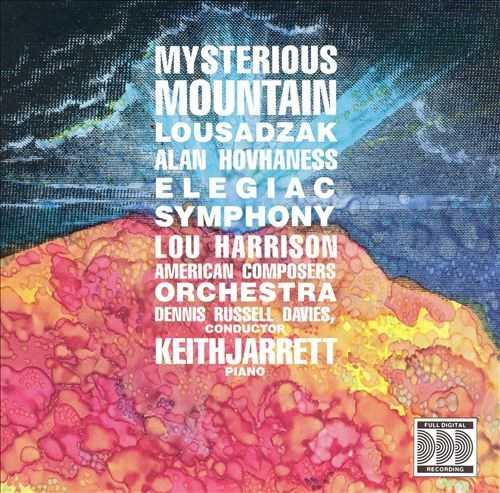 | Album: 35 of 46 Title: Mysterious Mountain / Lousadzak / Elegiac Symphony Released: 1989 Tracks: 9 Duration: 1:06:51 Scroll: Up Down Top Bottom 25% 50% 75% AlbumCover | 1 Symphony no. 2, op. 132 ("Mysterious Mountain"): Andante con moto (05:10) 2 Symphony no. 2, op. 132 ("Mysterious Mountain"): Double Fugue (Moderato maestoso, allegro vivo) (05:42) 3 Symphony no. 2, op. 132 ("Mysterious Mountain"): Andante espressivo (05:29) 4 Lousadzak, op. 48 (16:35) 5 Symphony no. 2 ("Elegiac"): Tears of the Angel Israfel (08:11) 6 Symphony no. 2 ("Elegiac"): Allegro, poco presto (03:33) 7 Symphony no. 2 ("Elegiac"): Tears of the Angel Israfel (06:17) 8 Symphony no. 2 ("Elegiac"): Praises for Michael the Archangel (07:15) 9 Symphony no. 2 ("Elegiac"): The Sweetness of Epicurus (08:36) |
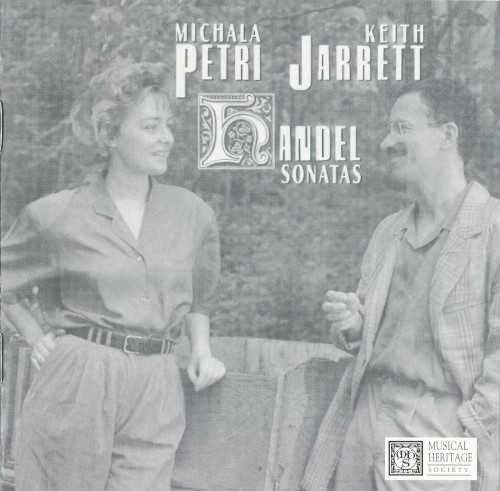 | Album: 36 of 46 Title: Recorder Sonatas Released: 1991 Tracks: 26 Duration: 56:11 Scroll: Up Down Top Bottom 25% 50% 75% AlbumCover | 1 Recorder Sonata in G minor, HWV 360: I. Larghetto (02:00) 2 Recorder Sonata in G minor, HWV 360: II. Andante (02:50) 3 Recorder Sonata in G minor, HWV 360: III. Adagio (00:49) 4 Recorder Sonata in G minor, HWV 360: IV. Presto (01:49) 5 Recorder Sonata in A minor, HWV 362: I. Larghetto (02:47) 6 Recorder Sonata in A minor, HWV 362: II. Allegro (02:26) 7 Recorder Sonata in A minor, HWV 362: III. Adagio (01:57) 8 Recorder Sonata in A minor, HWV 362: IV. Allegro (03:11) 9 Recorder Sonata in C major, HWV 365: I. Larghetto (02:24) 10 Recorder Sonata in C major, HWV 365: II. Allegro (01:51) 11 Recorder Sonata in C major, HWV 365: III. Larghetto (01:59) 12 Recorder Sonata in C major, HWV 365: IV. A tempo de gavotta (02:02) 13 Recorder Sonata in C major, HWV 365: V. Allegro (02:07) 14 Recorder Sonata in F major, HWV 369: I. Larghetto (02:03) 15 Recorder Sonata in F major, HWV 369: II. Allegro (01:54) 16 Recorder Sonata in F major, HWV 369: III. Alla siciliana (03:15) 17 Recorder Sonata in B-flat major, HWV 377: I. Allegro (01:41) 18 Recorder Sonata in B-flat major, HWV 377: II. Adagio (01:15) 19 Recorder Sonata in B-flat major, HWV 377: III. Allegro (02:27) 20 Recorder Sonata in D minor, HWV 367a: I. Largo (02:00) 21 Recorder Sonata in D minor, HWV 367a: II. Vivace (02:52) 22 Recorder Sonata in D minor, HWV 367a: III. Presto (02:07) 23 Recorder Sonata in D minor, HWV 367a: IV. Adagio (01:16) 24 Recorder Sonata in D minor, HWV 367a: V. Alla breve (01:35) 25 Recorder Sonata in D minor, HWV 367a: VI. Andante (03:31) 26 Recorder Sonata in D minor, HWV 367a: VII. A tempo di menuet (01:52) |
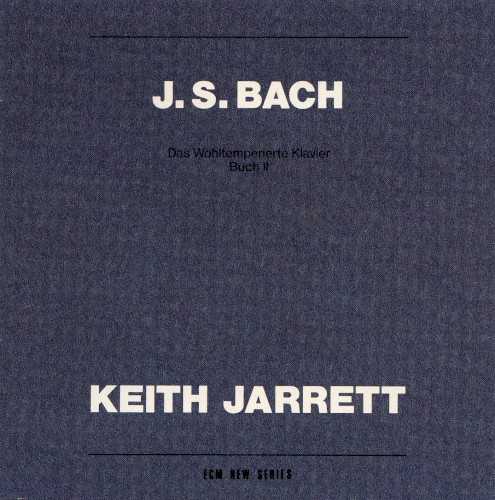 | Album: 37 of 46 Title: Das wohltemperierte Klavier, Buch II Released: 1991 Tracks: 24 Duration: 2:29:53 Scroll: Up Down Top Bottom 25% 50% 75% Spotify AlbumCover | 1 I C-dur (04:16) 2 II C-moll (04:34) 3 III Cis-dur (03:35) 4 IV Cis-moll (06:04) 5 V D-dur (08:14) 6 VI D-moll (03:44) 7 VII Es-dur (05:03) 8 VIII dis-moll (07:41) 9 IX E-dur (07:58) 10 X E-moll (07:20) 11 XI F-dur (05:47) 12 XII F-moll (05:49) 1 XIII, Fis-dur (05:59) 2 XIV, Fis-moll (07:24) 3 XV, G-dur (04:21) 4 XVI, G-moll (06:30) 5 XVII, As-dur (07:58) 6 XVIII, Gis-moll (08:51) 7 XIX, A-dur (03:18) 8 XX, A-moll (07:20) 9 XXI, B-dur (10:12) 10 XXII, B-moll (08:16) 11 XXIII, H-dur (05:26) 12 XXIV, H-moll (04:09) |
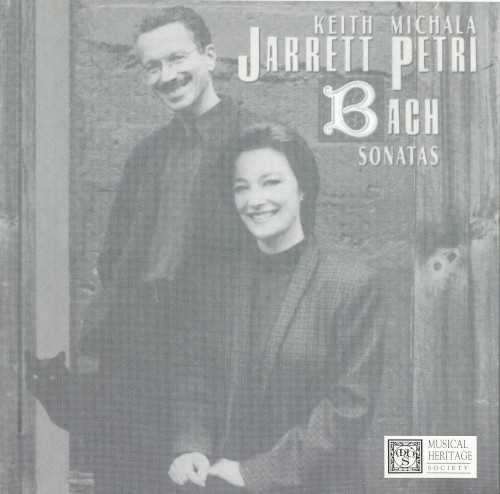 | Album: 38 of 46 Title: Bach Sonatas Released: 1992 Tracks: 22 Duration: 1:11:06 Scroll: Up Down Top Bottom 25% 50% 75% Allmusic AlbumCover | 1 Sonata in B minor, BWV 1030: I. Andante (08:18) 2 Sonata in B minor, BWV 1030: II. Largo e dolce (03:28) 3 Sonata in B minor, BWV 1030: III. Presto (01:25) 4 Sonata in B minor, BWV 1030: IV. Allegro (04:14) 5 Sonata in E-flat major (transp. to G major), BWV 1031: I. Allegro moderato (03:07) 6 Sonata in E-flat major (transp. to G major), BWV 1031: II. Siciliano (02:02) 7 Sonata in E-flat major (transp. to G major), BWV 1031: III. Allegro (04:09) 8 Sonata in A major (transp. to G major), BWV 1032: I. Vivace (04:31) 9 Sonata in A major (transp. to G major), BWV 1032: II. Largo e dolce (02:49) 10 Sonata in A major (transp. to G major), BWV 1032: III. Allegro (04:12) 11 Sonata in C major, BWV 1033: I. Andante - Presto (01:34) 12 Sonata in C major, BWV 1033: II. Allegro (02:11) 13 Sonata in C major, BWV 1033: III. Adagio (01:39) 14 Sonata in C major, BWV 1033: IV. Menuetto I & II (02:49) 15 Sonata in E minor (transp. to G minor), BWV 1034. I. Adagio ma non tanto (02:57) 16 Sonata in E minor (transp. to G minor), BWV 1034. II. Allegro (02:21) 17 Sonata in E minor (transp. to G minor), BWV 1034. III. Andante (03:08) 18 Sonata in E minor (transp. to G minor), BWV 1034. IV. Allegro (04:25) 19 Sonata in E major (transp. to F major), BWV 1035: I. Allegro ma non tanto (02:18) 20 Sonata in E major (transp. to F major), BWV 1035: II. Allegro (02:52) 21 Sonata in E major (transp. to F major), BWV 1035: III. Siciliano (03:32) 22 Sonata in E major (transp. to F major), BWV 1035: IV. Allegro assai (02:56) |
 | Album: 39 of 46 Title: 24 Preludes and Fugues, op. 87 Released: 1992-06-16 Tracks: 24 Duration: 2:15:21 Scroll: Up Down Top Bottom 25% 50% 75% Spotify Allmusic AlbumCover | 1 24 Preludes and Fugues, op. 87: No. 1 in C major (08:11) 2 24 Preludes and Fugues, op. 87: No. 2 in A minor (02:10) 3 24 Preludes and Fugues, op. 87: No. 3 in G major (03:29) 4 24 Preludes and Fugues, op. 87: No. 4 in E minor (07:24) 5 24 Preludes and Fugues, op. 87: No. 5 in D major (04:05) 6 24 Preludes and Fugues, op. 87: No. 6 in B minor (05:22) 7 24 Preludes and Fugues, op. 87: No. 7 in A major (03:11) 8 24 Preludes and Fugues, op. 87: No. 8 in F-sharp minor (06:21) 9 24 Preludes and Fugues, op. 87: No. 9 in E major (03:48) 10 24 Preludes and Fugues, op. 87: No. 10 in C-sharp minor (06:19) 11 24 Preludes and Fugues, op. 87: No. 11 in B major (03:21) 12 24 Preludes and Fugues, op. 87: No. 12 in G-sharp minor (06:52) 1 24 Preludes and Fugues, op. 87: No. 13 in F-sharp major (07:03) 2 24 Preludes and Fugues, op. 87: No. 14 in E-flat minor (07:03) 3 24 Preludes and Fugues, op. 87: No. 15 in D-flat major (04:20) 4 24 Preludes and Fugues, op. 87: No. 16 in B-flat minor (08:59) 5 24 Preludes and Fugues, op. 87: No. 17 in A-flat major (05:14) 6 24 Preludes and Fugues, op. 87: No. 18 in F minor (04:35) 7 24 Preludes and Fugues, op. 87: No. 19 in E-flat major (04:17) 8 24 Preludes and Fugues, op. 87: No. 20 in C minor (08:05) 9 24 Preludes and Fugues, op. 87: No. 21 in B-flat major (04:01) 10 24 Preludes and Fugues, op. 87: No. 22 in G minor (05:09) 11 24 Preludes and Fugues, op. 87: No. 23 in F major (05:28) 12 24 Preludes and Fugues, op. 87: No. 24 in D minor (10:24) |
| 24 Preludes and Fugues, op. 87 : Allmusic album Review : Dmitri Shostakovichs epic series of preludes and fugues for solo piano was inspired by the very composer whom you would immediately suspect -- Johann Sebastian Bach. Indeed, the Russian composer was motivated to write this huge work after a visit to Bachs home city Leipzig in 1950; and, in fact, it resurrects the premise behind Bachs "The Well-Tempered Clavier," providing one prelude and fugue for every major and minor key. So having conquered the Bach work on recordings, Keith Jarrett decided to tackle its 20th century sequel in this two-CD set. Looking at it from one angle, this is Jarretts most impressive technical achievement in the classical repertoire so far. Generally speaking, the Shostakovich is more difficult to play than the other classical works that he had recorded previously, and he is clearly up to all of its sometimes fearsome demands. From an interpretive angle, though, Jarrett doesnt get as much out of this music as, say, the late Russian pianist Tatiana Nikolaeva, who gave the first performances of the work. With Nikolaeva, each note is captured and spotlighted in ever-changing lights. Jarrett is on the hunt for detail, too -- the "No. 11," "15," and "17" fugues are particularly invigorating in that respect -- yet much of the time, he tends to color things in one way. Part of this impression may be due to the sound of his piano, which is treated with ECMs usual soft-focused cloud of reverb. For Jarrett fans who are following his classical adventures, this could be a most intriguing left turn, but those seeking the definitive recording of the pieces would find Nikolaeva more stimulating. | ||
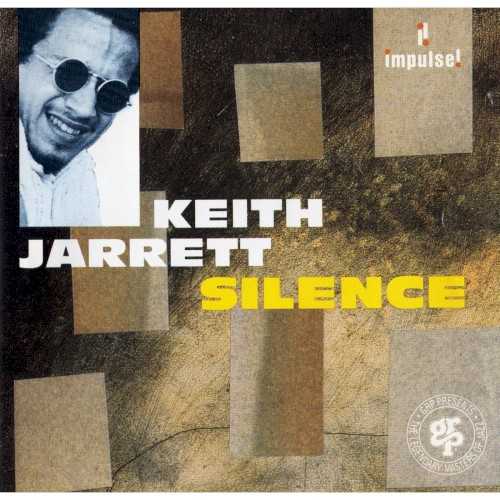 | Album: 40 of 46 Title: Silence Released: 1992-07-07 Tracks: 11 Duration: 1:06:20 Scroll: Up Down Top Bottom 25% 50% 75% Allmusic AlbumCover | 1 Byablue (07:22) 2 Rainbow (08:35) 3 Trieste (09:40) 4 Fantasm (01:14) 5 Mushi Mushi (06:02) 6 Silence (03:12) 7 Bop-Be (07:00) 8 Gotta Get Some Sleep (10:37) 9 Blackberry Winter (03:38) 10 Pocket Full of Cherry (05:19) 11 Byablue (solo piano version) (03:38) |
| Silence : Allmusic album Review : The Keith Jarrett American Quartets last recording session combines most of the contents Byablue and Bop-Be, omitting "Yahllah" and "Konya" from the former and "Pyramids Moving" from the latter. The partial sampling of the sessions indicates that the quartet went out on a high note, still exciting and inventive, the old interplay very much in action, unrepentantly acoustic in an electric era. The quartet was soon to be defunct. | ||
 | Album: 41 of 46 Title: The French Suites Released: 1993 Tracks: 41 Duration: 1:40:52 Scroll: Up Down Top Bottom 25% 50% 75% Spotify AlbumCover | 1 Harpsichord Suite No. 1, BWV 812: I. Allemande (04:05) 2 Harpsichord Suite No. 1, BWV 812: II. Courante (02:36) 3 Harpsichord Suite No. 1, BWV 812: III. Sarabande (03:32) 4 Harpsichord Suite No. 1, BWV 812: IV. Menuet I (01:17) 5 Harpsichord Suite No. 1, BWV 812: V. Menuet II (02:26) 6 Harpsichord Suite No. 1, BWV 812: VI. Gigue (03:06) 7 Harpsichord Suite No. 1, BWV 812: VII, Allemande (02:54) 8 Harpsichord Suite No. 2, BWV 813: I. Courante (02:35) 9 Harpsichord Suite No. 2, BWV 813: II. Sarabande (03:26) 10 Harpsichord Suite No. 2, BWV 813: III. Air (01:56) 11 Harpsichord Suite No. 2, BWV 813: IV. Menuet (01:34) 12 Harpsichord Suite No. 2, BWV 813: V. Gigue (02:25) 13 Harpsichord Suite No. 2, BWV 813: VI. Allemande (03:19) 14 Harpsichord Suite No. 3, BWV 814: I. Courante (02:46) 15 Harpsichord Suite No. 3, BWV 814: II. Sarabande (03:23) 16 Harpsichord Suite No. 3, BWV 814: III. Anglaise (01:53) 17 Harpsichord Suite No. 3, BWV 814: IV. Menuet (01:36) 18 Harpsichord Suite No. 3, BWV 814: V. Trio: Menuet da capo (02:01) 19 Harpsichord Suite No. 3, BWV 814: VI. Gigue (02:00) 1 Harpsichord Suite No. 4 in E-flat major, BWV 815: I. Allemande (02:41) 2 Harpsichord Suite No. 4 in E-flat major, BWV 815: II. Courante (02:35) 3 Harpsichord Suite No. 4 in E-flat major, BWV 815: III. Saranbande (02:27) 4 Harpsichord Suite No. 4 in E-flat major, BWV 815: IV. Gavotte (01:29) 5 Harpsichord Suite No. 4 in E-flat major, BWV 815: V. Menuet (01:07) 6 Harpsichord Suite No. 4 in E-flat major, BWV 815: VI. Air (02:14) 7 Harpsichord Suite No. 4 in E-flat major, BWV 815: VII. Gigue (02:37) 8 Harpsichord Suite No. 5 in G major, BWV 816: I. Allemande (03:52) 9 Harpsichord Suite No. 5 in G major, BWV 816: II. Courante (02:03) 10 Harpsichord Suite No. 5 in G major, BWV 816: III. Sarabande (04:40) 11 Harpsichord Suite No. 5 in G major, BWV 816: IV. Gavotte (01:25) 12 Harpsichord Suite No. 5 in G major, BWV 816: V. Bourree (01:37) 13 Harpsichord Suite No. 5 in G major, BWV 816: VI. Loure (02:13) 14 Harpsichord Suite No. 5 in G major, BWV 816: VII. Gigue (04:04) 15 Harpsichord Suite No. 6 in E major, BWV 817: I. Allemande (03:18) 16 Harpsichord Suite No. 6 in E major, BWV 817: II. Courante (01:57) 17 Harpsichord Suite No. 6 in E major, BWV 817: III. Sarabande (03:04) 18 Harpsichord Suite No. 6 in E major, BWV 817: IV. Gavotte (01:19) 19 Harpsichord Suite No. 6 in E major, BWV 817: V. Polonaise (01:37) 20 Harpsichord Suite No. 6 in E major, BWV 817: VI. Bourree (01:47) 21 Harpsichord Suite No. 6 in E major, BWV 817: VII. Menuet (01:19) 22 Harpsichord Suite No. 6 in E major, BWV 817: VIII. Gigue (02:27) |
 | Album: 42 of 46 Title: 3 Sonaten für Viola da Gamba und Cembalo Released: 1994 Tracks: 11 Duration: 38:38 Scroll: Up Down Top Bottom 25% 50% 75% Spotify AlbumCover | 1 Sonate G-dur, BWV 1027: I. Adagio (03:48) 2 Sonate G-dur, BWV 1027: II. Allegro ma non tanto (03:24) 3 Sonate G-dur, BWV 1027: III. Andante (01:46) 4 Sonate G-dur, BWV 1027: IV. Allegro moderato (03:11) 5 Sonate D-dur, BWV 1028: I. Adagio (01:40) 6 Sonate D-dur, BWV 1028: II. Allegro (03:37) 7 Sonate D-dur, BWV 1028: III. Andante (03:58) 8 Sonate D-dur, BWV 1028: IV. Allegro (03:58) 9 Sonate G-moll, BWV 1029: I. Vivace (04:43) 10 Sonate G-moll, BWV 1029: II. Adagio (04:58) 11 Sonate G-moll, BWV 1029: III. Allegro (03:32) |
 | Album: 43 of 46 Title: Piano Concertos K. 271, 453, 466 / Adagio and Fugue K. 546 Released: 1994-11 Tracks: 10 Duration: 1:42:33 Scroll: Up Down Top Bottom 25% 50% 75% AlbumCover | 1 Concerto for Piano no. 20 in D minor, K. 466: I. Allegro (14:54) 2 Concerto for Piano no. 20 in D minor, K. 466: II. Romanze (09:14) 3 Concerto for Piano no. 20 in D minor, K. 466: III. Rondo. Allegro assai (08:15) 4 Concerto no. 17 in G major for Piano, K. 453 "Second Ployer": I. Allegro (12:38) 5 Concerto no. 17 in G major for Piano, K. 453 "Second Ployer": II. Andante (10:04) 6 Concerto no. 17 in G major for Piano, K. 453 "Second Ployer": III. Allegretto & Finale. Presto (07:45) 1 Concerto for Piano no. 9 in E-flat major, K. 271 "Jeunehomme": I. Allegro (10:56) 2 Concerto for Piano no. 9 in E-flat major, K. 271 "Jeunehomme": II. Andantino (10:31) 3 Concerto for Piano no. 9 in E-flat major, K. 271 "Jeunehomme": III. Rondeau. Presto - adagio & Menuetto. Cantabile - tempo primo (10:54) 4 Adagio and Fugue for String Quartet in C minor, K. 546 (07:22) |
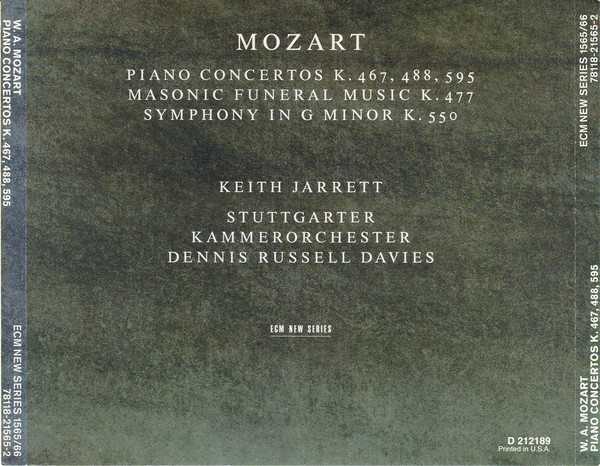 | Album: 44 of 46 Title: Piano Concertos K. 467, 488, 595 / Masonic Funeral Music K. 477 / Symphony in G minor K. 550 Released: 1994-11 Tracks: 14 Duration: 2:10:48 Scroll: Up Down Top Bottom 25% 50% 75% AlbumCover | 1 Piano Concerto no. 23 in A major, K. 488: I. Allegro (12:14) 2 Piano Concerto no. 23 in A major, K. 488: II. Adagio (06:36) 3 Piano Concerto no. 23 in A major, K. 488: III. Allegro assai (09:21) 4 Piano Concerto no. 27 in B-flat major, K. 595: I. Allegro (14:26) 5 Piano Concerto no. 27 in B-flat major, K. 595: II. Larghetto (06:37) 6 Piano Concerto no. 27 in B-flat major, K. 595: III. Allegro (09:42) 1 Masonic Funeral Music for Orchestra in C minor, K. 479a / KV 477: Adagio (05:44) 2 Concerto for Piano no. 21 in C major, K. 467 "Elvira Madigan": I. Allegro maestoso (16:11) 3 Concerto for Piano no. 21 in C major, K. 467 "Elvira Madigan": II. Andante (06:56) 4 Concerto for Piano no. 21 in C major, K. 467 "Elvira Madigan": III. Allegro vivace assai (08:24) 5 Symphony no. 40 in G minor, K. 550: I. Molto allegro (08:11) 6 Symphony no. 40 in G minor, K. 550: II. Andante (12:11) 7 Symphony no. 40 in G minor, K. 550: III. Menuetto. Allegretto - Trio (04:51) 8 Symphony no. 40 in G minor, K. 550: IV. Allegro assai (09:18) |
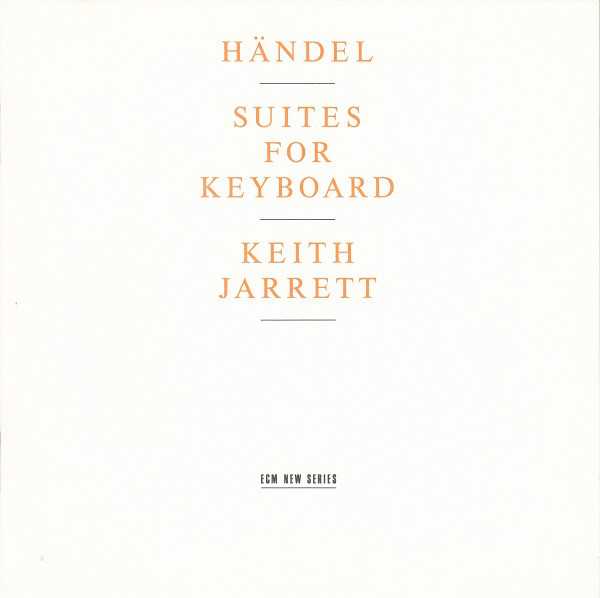 | Album: 45 of 46 Title: Suites for Keyboard Released: 1995-09-12 Tracks: 29 Duration: 1:14:30 Scroll: Up Down Top Bottom 25% 50% 75% AlbumCover | 1 Harpsichord Suite in G minor, HWV 452: I. Allemande (02:47) 2 Harpsichord Suite in G minor, HWV 452: II. Courante (03:00) 3 Harpsichord Suite in G minor, HWV 452: III. Sarabande (02:15) 4 Harpsichord Suite in G minor, HWV 452: IV. Gigue (01:29) 5 Harpsichord Suite in D minor, HWV 447: I. Allemande (02:06) 6 Harpsichord Suite in D minor, HWV 447: II. Courante (02:31) 7 Harpsichord Suite in D minor, HWV 447: III. Sarabande (01:51) 8 Harpsichord Suite in D minor, HWV 447: IV. Gigue (01:13) 9 Harpsichord Suite II, no. 7 in B-flat major, HWV 440: I. Allemande (02:00) 10 Harpsichord Suite II, no. 7 in B-flat major, HWV 440: II. Courante (02:05) 11 Harpsichord Suite II, no. 7 in B-flat major, HWV 440: III. Sarabande (02:38) 12 Harpsichord Suite II, no. 7 in B-flat major, HWV 440: IV. Gigue (01:30) 13 Harpsichord Suite I, no. 8 in F minor, HWV 433: I. Prelude - Fuga (05:03) 14 Harpsichord Suite I, no. 8 in F minor, HWV 433: II. Allemande (02:54) 15 Harpsichord Suite I, no. 8 in F minor, HWV 433: III. Courante (02:39) 16 Harpsichord Suite I, no. 8 in F minor, HWV 433: IV. Gigue (02:17) 17 Harpsichord Suite I, no. 2 in F major, HWV 427: I. Adagio (02:45) 18 Harpsichord Suite I, no. 2 in F major, HWV 427: II. Allegro (02:48) 19 Harpsichord Suite I, no. 2 in F major, HWV 427: III. Adagio (01:46) 20 Harpsichord Suite I, no. 2 in F major, HWV 427: IV. Allegro (02:09) 21 Harpsichord Suite I, no. 4 in E minor, HWV 429: I. Fuga (03:37) 22 Harpsichord Suite I, no. 4 in E minor, HWV 429: II. Allemande (02:07) 23 Harpsichord Suite I, no. 4 in E minor, HWV 429: III. Courante (02:53) 24 Harpsichord Suite I, no. 4 in E minor, HWV 429: III. Sarabande (03:23) 25 Harpsichord Suite I, no. 4 in E minor, HWV 429: V. Gigue (02:02) 26 Harpsichord Suite I, no. 1 in A major, HWV 426: I. Prelude (02:31) 27 Harpsichord Suite I, no. 1 in A major, HWV 426: II. Allemande (03:29) 28 Harpsichord Suite I, no. 1 in A major, HWV 426: III. Courante (03:13) 29 Harpsichord Suite I, no. 1 in A major, HWV 426: IV. Gigue (03:15) |
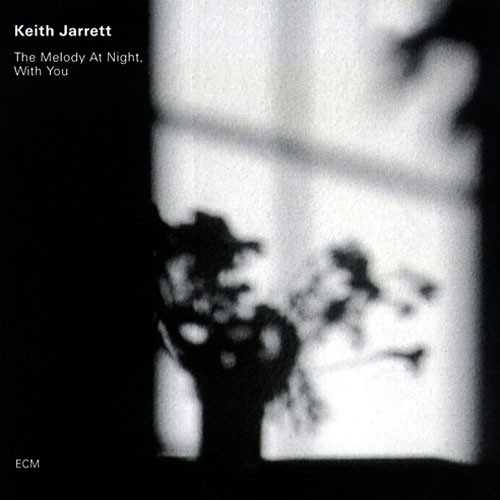 | Album: 46 of 46 Title: The Melody at Night, With You Released: 1999-10-19 Tracks: 10 Duration: 55:17 Scroll: Up Down Top Bottom 25% 50% 75% Spotify Allmusic AlbumCover | 1 I Loves You Porgy (05:50) 2 I Got It Bad and That Ain’t Good (07:10) 3 Don’t Ever Leave Me (02:47) 4 Someone to Watch Over Me (05:05) 5 My Wild Irish Rose (05:21) 6 Blame It on My Youth / Meditation (07:19) 7 Something to Remember You By (07:15) 8 Be My Love (05:38) 9 Shenandoah (05:52) 10 I’m Through With Love (02:57) |
| The Melody at Night, With You : Allmusic album Review : This is a strangely moving and disturbing document in the long discography of Keith Jarrett: a solo piano album recorded in his rural New Jersey home studio in 1998 at a time when he was reportedly suffering from chronic fatigue syndrome. In stark contrast to his other solo albums, this one consists of short, simple, straightforward interpretations of ballads, songs in the public domain, and one very pretty original ("Meditation"), all taken at funereal tempi with hardly any virtuoso flourishes. Scattered amidst the assortment of standards like "Someone to Watch Over Me," "I Got It Bad and That Aint Good," and "I Loves You Porgy" are nostalgic throwbacks like the hoary old "My Wild Irish Rose" (he plays the tune absolutely straight) and even the Mario Lanza hit "Be My Love." Sad as it is to say under the circumstances, these performances lack color, contrast and life; and while you pull for Jarrett to summon the energy to make music again, the results are touching for a while but soon pall. Also in contrast to Manfred Eichers usual sonic standard at ECM, the sound is dull and lacking in luster, though some listeners might find that it gives the album a certain homey charm. | ||